
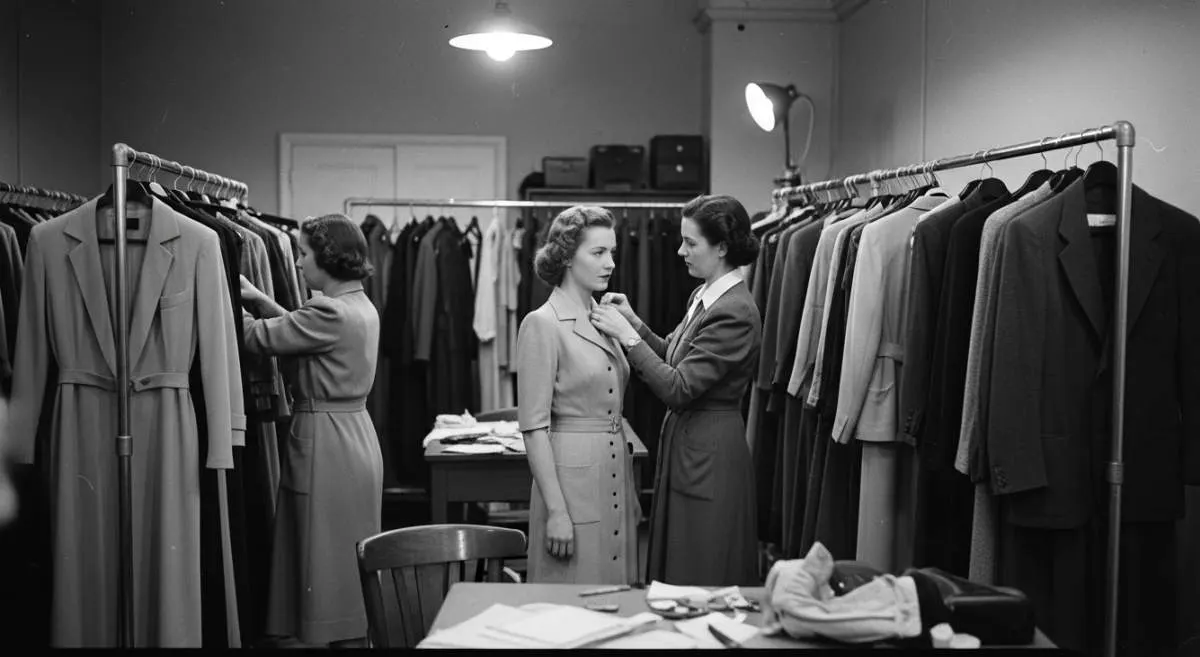
From the moment cinema learned to tell stories, it learned to dress them. The clothes worn on screen became blueprints for real life, shaping how millions of people presented themselves to the world. Hollywood didn't just entertain us; it styled us. A single film could transform a garment from obscurity into necessity, a trend from fringe into mainstream, or a silhouette from rejected to revered.
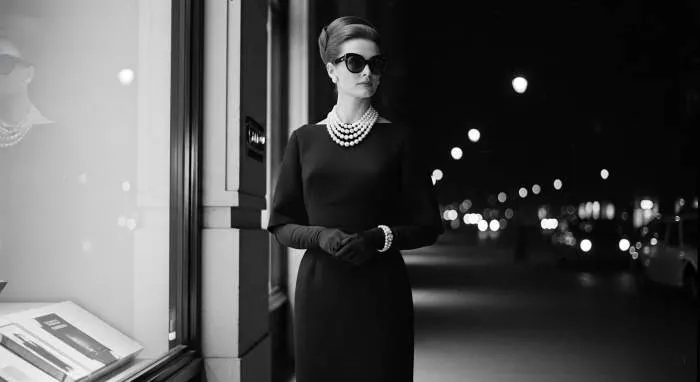
How Audrey Hepburn Made the Little Black Dress Essential
When Audrey Hepburn stepped onto the screen in Breakfast at Tiffany's (1961), wearing a simple black sheath dress designed by Givenchy, she redefined elegance for an entire generation. The film's costume designer, Edith Head (credited for the overall look while Givenchy designed Hepburn's personal wardrobe), understood the power of simplicity. Hepburn's Holly Golightly was a complex character, and the little black dress perfectly captured her mix of sophistication and vulnerability. It became the indispensable foundation of every woman's wardrobe, signaling chic without effort and remaining the most copied single garment in modern history.
Before that film, the little black dress existed, Coco Chanel had popularized it in the 1920s, but it wasn't universally seen as the ultimate wardrobe essential. Hepburn's portrayal transformed it into a statement of refined taste and timeless style. The dress became so synonymous with the character that it transcended the movie theater and entered everyday life as a symbol of understated elegance. Its influence is so profound that we still explore its lasting power.
The 1950s Rebel Uniform: From James Dean to Marlon Brando
Before the 1960s redefined Hollywood glamour, the 1950s established a different kind of cinematic power: the anti-establishment uniform. James Dean in Rebel Without a Cause (1955) wore a red windbreaker, white T-shirt, and jeans, turning that simple T-shirt into the uniform of youth rebellion. Similarly, Marlon Brando's leather jacket in The Wild One (1953) transformed a functional piece of outerwear into a symbol of dangerous masculinity and defiance. These looks worked because they contrasted sharply with the opulent, refined glamour of earlier stars like Jean Harlow, offering a new, accessible kind of cool.
This accessibility was key. Unlike the couture gowns worn by Hollywood's leading ladies, a teenager could actually buy a T-shirt and jeans. The democratization of style through cinema meant that rebellion, elegance, and aspiration were no longer confined to those who could afford haute couture. This principle, that film could make everyday clothes iconic, became a recurring Hollywood secret, shaping wardrobes for decades to come.
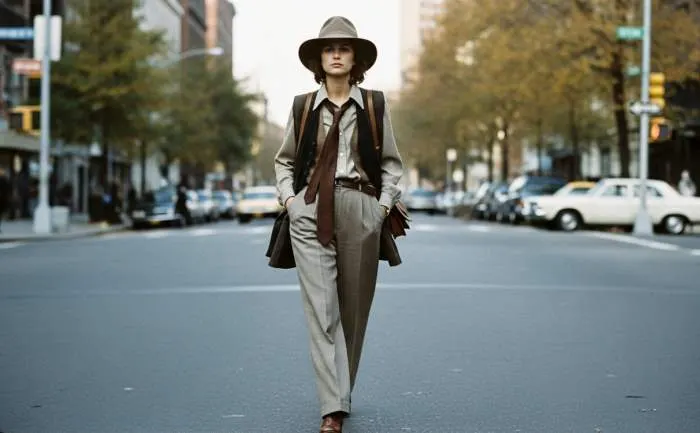
Diane Keaton and the Androgynous Revolution
Woody Allen's Annie Hall (1977) single-handedly launched the menswear-as-womenswear movement into the mainstream. Diane Keaton's character, Alvy Singer's eccentric love interest, wore oversized ties, vests, floppy hats, and tailored trousers. This was a statement of intellectual and sartorial freedom, a deliberate rejection of the hyper-feminine styles of the time. While initially ridiculed by some critics, it resonated profoundly with women seeking alternatives. The "Annie Hall look" remains a perennial touchstone for women who want to dress with wit, ease, and a touch of androgynous charm.
John Travolta's Saturday Night Fever Suit Defined 1970s Disco Style
If the 1950s gave us the rebel uniform, the 1970s gave us the ultimate party uniform. John Travolta's iconic white three-piece suit in Saturday Night Fever (1977) didn't just define a character; it cemented the era's entire aesthetic. The film's runaway success meant that suddenly, every young man hitting the dance floor aspired to that specific, structured silhouette. This cinematic moment is inseparable from the wider, glittering history of Studio 54 style, acting as its ultimate visual encyclopedia for mainstream America.
The Trench Coat's Cinematic Reinvention
The trench coat, originally military gear designed for World War I soldiers, found its permanent home in the public imagination through cinema. Humphrey Bogart in Casablanca (1942) made it the staple of the world-weary cynic, but it was the noir aesthetic that cemented the coat's enduring appeal. The trench coat became shorthand for mystery, sophistication, and moral ambiguity. It remains a staple of contemporary fashion, conveying a certain kind of intelligence and worldliness.
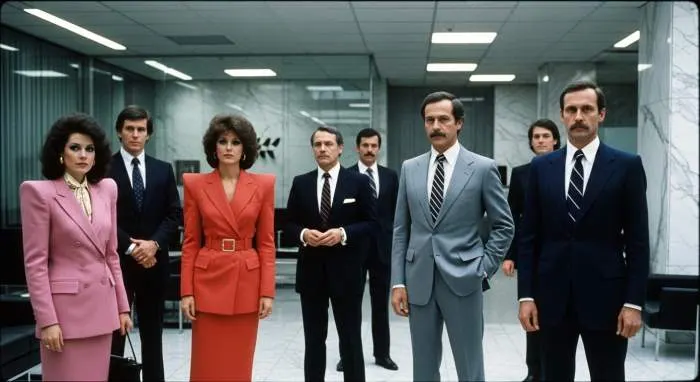
The Corporate Warrior: Power Suits of the 1980s
The aggressive return of the padded shoulder in the 1980s was no accident. Films like Wall Street (1987) and Working Girl (1988) provided a visual manual for professional success. Melanie Griffith's character's transition from secretary to executive was literally marked by her wardrobe shift into sharp, broad-shouldered power suits. This cinematic armor, often accessorized with statement jewelry, became the non-negotiable uniform for the upwardly mobile generation. It was a clear message: clothing could convey narrative, ambition, and power even without dialogue.
The Anti-Glamour of Grunge
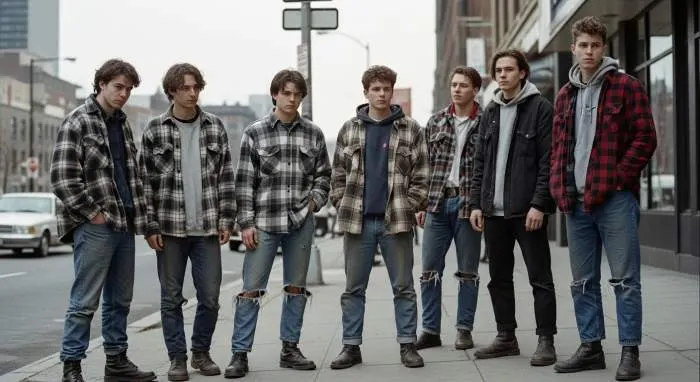
By the early 1990s, the cinematic pendulum swung hard against the polished, excessive 80s aesthetic. Films like Singles (1992) helped codify the grunge and slacker look into a mainstream uniform. Plaid flannel shirts, Doc Martens, ripped denim, and deliberately shapeless silhouettes became the uniform of counter-cultural indifference. Yet, this 'anti-fashion' was meticulously copied by millions looking to reject the previous decade's materialism. It represented a new kind of cool, one born from authenticity and a rejection of glossy perfection.
Why We Still Copy Hollywood's Iconic Looks
This cycle of cinematic influence endures because it taps into a fundamental human need: identity. When we adopt a look popularized on screen, we're often subconsciously reaching for the character's perceived traits, rebellion, sophistication, intellect, or effortless cool. We don't just wear the clothes; we wear the story. Think of Tom Cruise's aviator sunglasses in Top Gun (1986), which single-handedly revived Ray-Ban's fortunes, or the continued relevance of the slip dress, popularized by films like Clueless (1995). These are foundational style elements that prove the enduring power of celluloid over cotton.
The Unsung Heroes: The Costume Designers
Behind every one of these iconic moments was a visionary costume designer. Edith Head, Orry-Kelly, and Adrian were not merely dressing actors; they were creating visual archetypes and shaping cultural perception. They understood the psychology of clothing, how a silhouette could suggest power, how fabric could imply character. Their crafted looks transcended the screen to become global phenomena. The best designers made audiences not just admire a character, but genuinely want to be that character, or at least dress like them.
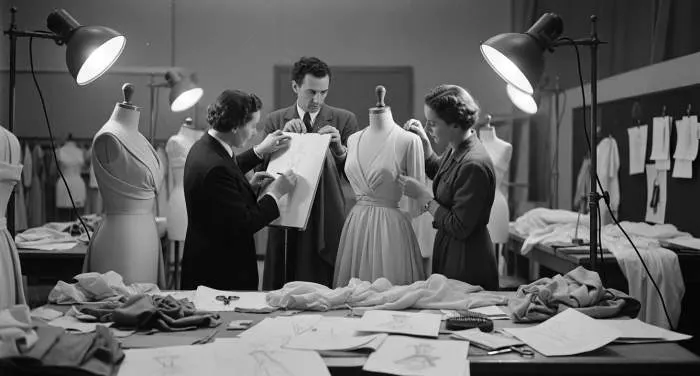
Their collective work confirms that the most successful and lasting fashion is not always the most expensive, but the style imbued with the deepest emotional and narrative resonance. When we wear a trench coat, a little black dress, or an oversized blazer inspired by a classic film, we are wearing the invisible handiwork of these designers. Their vision, conceived in a studio wardrobe department, remains alive in our closets decades or even generations later. It's a testament to how Hollywood's most stylish secrets are the ones we've been wearing all along.
What is the history of costume design in Hollywood
Before the studio system, early Hollywood costume designers often worked anonymously, borrowing from theater and vaudeville. It wasn't until the 1930s that designers like Adrian at MGM began crafting signature looks that defined entire genres, turning costume design into a powerful storytelling tool that shaped public taste for decades.