
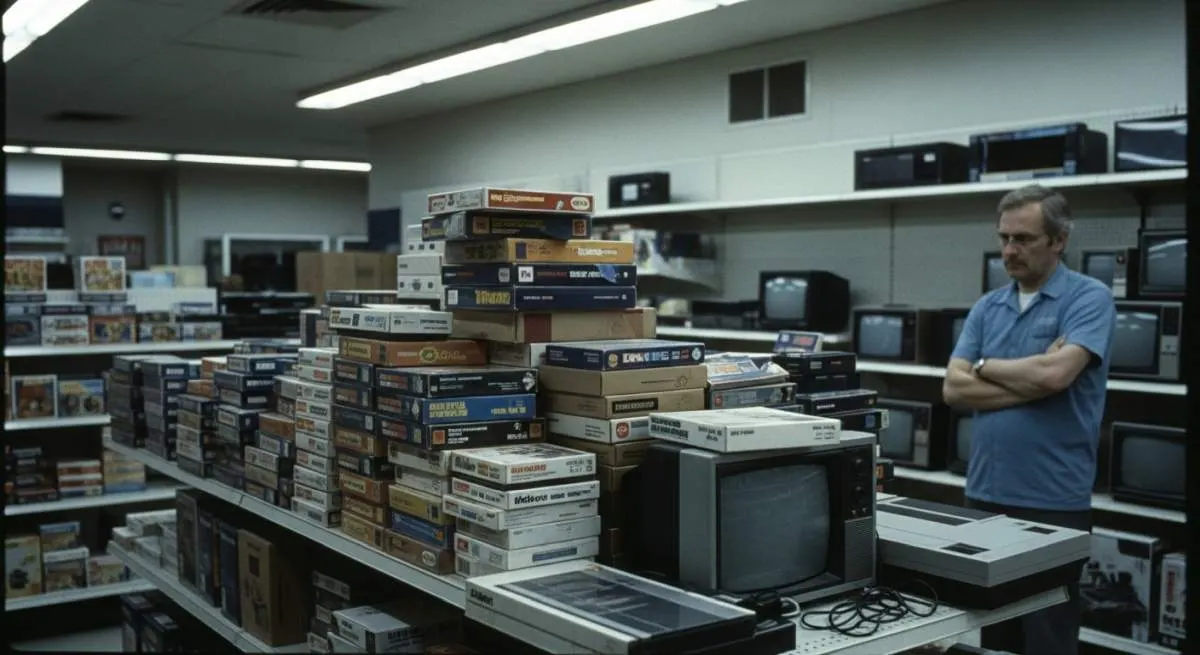
The story of the Atari 2600 is one of those wild rides, a meteoric rise, incredible innovation, and then a spectacular, industry-shaking fall.
The Dawn of Home Video Gaming: Atari's Big Dream
Back in the mid-1970s, the idea of playing sophisticated video games at home still felt like something out of the future. Arcades were packed with hits like Pong and Space Invaders, but home consoles were pretty basic, often stuck playing just one game. Nolan Bushnell's Atari, already a big name in arcades, saw the potential for something much bigger.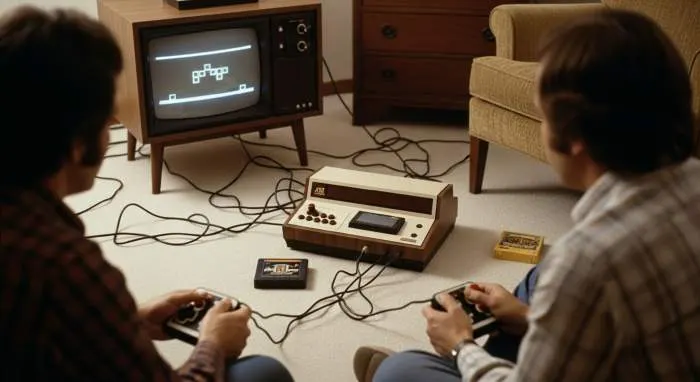
By the early 1980s, the video game industry was on fire, pulling in an estimated $3 billion a year. Atari was riding high, commanding a staggering 80% of the market. The company wasn't just pushing boundaries in gaming, it was making waves across consumer electronics as a whole.
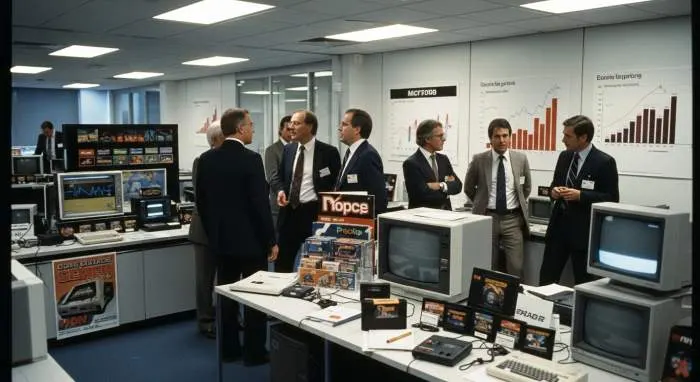
The sheer number of consoles sold, and the endless demand for new games, created a super competitive, fast-growing market. But that explosive growth also planted the seeds of trouble, poor quality control and a market so crowded it was bound to burst.
The Seeds of Decline: When Quality Took a Backseat
The biggest challenge for third-party developers, and really, the whole industry, was managing this incredible growth without letting quality slip. Atari had originally kept a tight grip on game development, but the lure of easy money brought in a flood of third-party companies. A lot of them didn't have the experience or the drive to make good games.
The Pac-Man Disaster: Hype Meets Reality
Enter Pac-Man. The arcade version, released by Namco in Japan and licensed by Midway in North America, was an absolute phenomenon. Its simple but addictive maze gameplay, iconic character, and universal appeal made it a cultural icon.
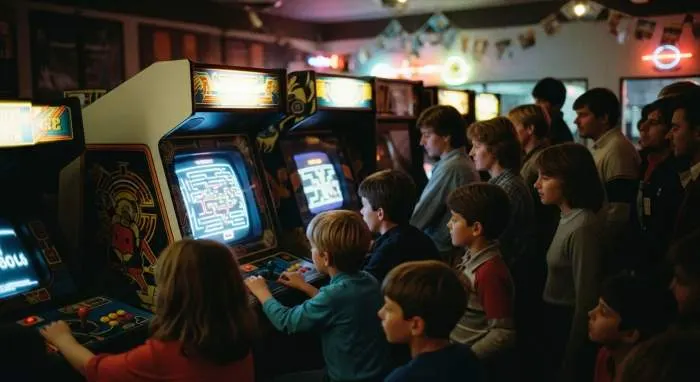
It was everywhere, on lunchboxes, in cartoons, in every arcade around the world. Atari desperately needed a killer game for its 2600 to fend off growing competition from systems like the Intellivision and ColecoVision, and Pac-Man was the obvious, highly anticipated choice. The hype for the home version was enormous, fueled by Atari's aggressive marketing and the public's burning desire to play the game outside of arcades.
Atari landed the exclusive rights to Pac-Man for the 2600, a deal that cost them a pretty penny. The problem? The development schedule was impossibly tight.
Warner Communications wanted the game out by Christmas 1981, leaving developer Tod Frye just five months to cram a complex arcade game into the much less powerful Atari 2600.
When the Atari 2600 version of Pac-Man finally hit shelves, the public's excitement turned into widespread disappointment. The iconic ghosts flickered constantly because of the 2600's sprite limits, the maze was a blocky, simplified version of the original, and the sound effects were a pale shadow of the arcade. It still sold millions, a whopping 7 million, in fact, more than the number of Atari 2600 consoles out there at the time, but the critical and consumer reaction was overwhelmingly negative.
A lot of people felt cheated, having pre-ordered or bought the game sight unseen just because of the Pac-Man name. Returns were everywhere, and consumer confidence took a serious hit.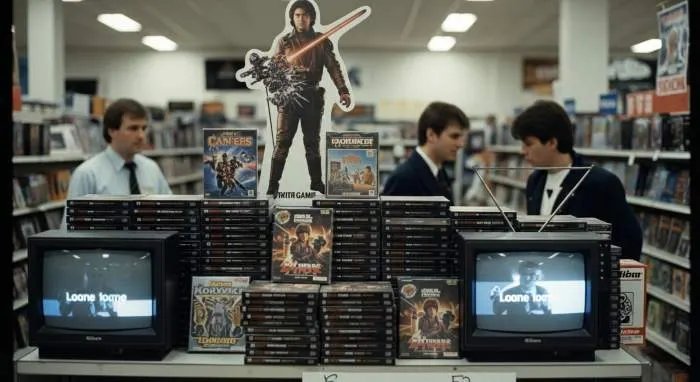
Warner Communications, desperate for another guaranteed hit after the Pac-Man mess, paid an estimated $20-25 million for the exclusive rights to make a video game based on the film. That was an unheard-of sum at the time, especially for a movie license. The thinking was that the E.T. name alone would guarantee massive sales, no matter how good the game was.
But with that compressed timeline, corners were cut, testing was minimal, and fundamental design flaws were never fixed. When E.T. the Extra-Terrestrial finally came out, it was, plain and simple, a commercial and critical disaster. The gameplay was confusing, frustrating, and often repetitive.
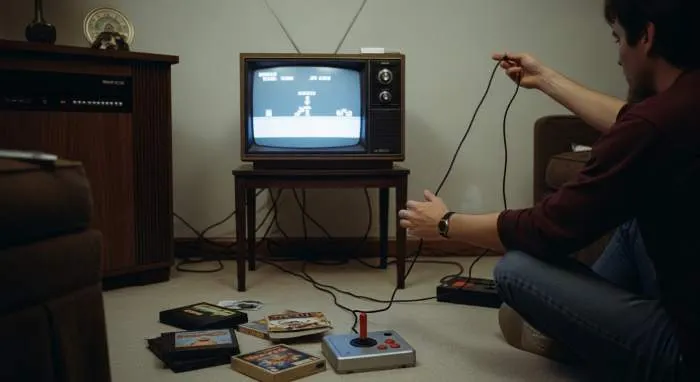
Returns flooded stores, and unsold copies piled up in warehouses. Retailers demanded refunds from Atari, and the company was left with millions of worthless cartridges. This wasn't just a flop, it was an unprecedented financial catastrophe for Atari.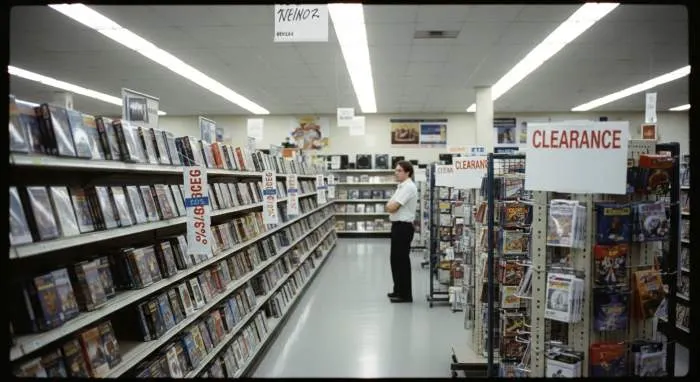
The crash of 1983 left a huge hole in the North American home console market. A lot of people thought video games were dead for good, just another passing fad like hula hoops or pet rocks. But gaming wasn't completely gone during this time.
The E.T. Catastrophe and the Buried Cartridges
The E.T. catastrophe was the final, spectacular blow. The game was so reviled and unsold that Atari faced a mountain of worthless cartridges. In a desperate move to clear warehouse space and write off the loss, the company famously buried thousands of unsold E.T. and other failed game cartridges in a landfill in Alamogordo, New Mexico. This act became the ultimate symbol of the crash, a physical burial of the industry's hubris. The story of the buried cartridges, long considered an urban legend, was confirmed decades later when the site was excavated, unearthing a tangible piece of gaming's most infamous failure.
The Rise of PC Gaming
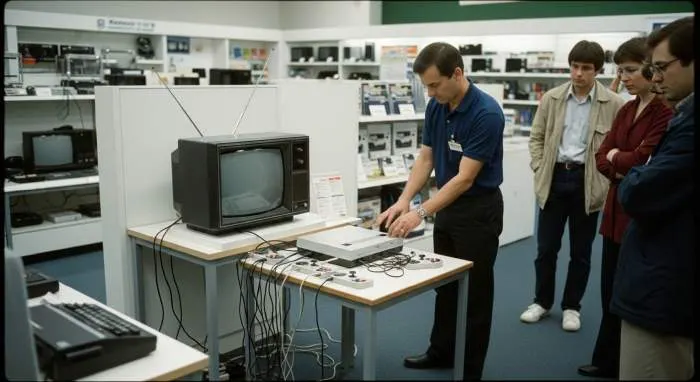
The crash of 1983 left a huge hole in the North American home console market. A lot of people thought video games were dead for good, just another passing fad. But gaming wasn't completely gone. While consoles struggled, personal computers like the Commodore 64, Apple II, and IBM PCjr started gaining traction as gaming platforms. These machines offered more versatility and often better graphics and sound than the aging 2600, attracting a new wave of developers and players. This shift showed that the hunger for interactive entertainment was still there; it just needed a new home, and the rise of PC gaming helped keep the flame alive during the console dark age.
Nintendo's Smart Comeback and the Lessons Learned
The lessons from Atari's downfall were priceless, especially for the company that would eventually revive the industry: Nintendo. When Nintendo launched its Famicom (Nintendo Entertainment System in the West) in 1983 in Japan and 1985 in North America, they approached the market with extreme caution. They knew consumer trust had to be rebuilt from the ground up. Nintendo implemented a strict licensing system, the 'Nintendo Seal of Quality,' to control the number and quality of games released. They also cleverly marketed the NES as an 'Entertainment System' with a robot accessory (R.O.B.) to distance it from the toxic 'video game' label. This smart, controlled comeback is a direct lesson learned from the chaos of the 1983 video game crash.
Despite its rocky end, the Atari 2600 holds an undeniable and beloved place in gaming history. It was the console that introduced millions to the magic of home video games, sparking imaginations and creating countless childhood memories. For many of us, the simple joy of popping in a cartridge and watching those blocky pixels come to life is still a powerful, cherished source of nostalgia. "The Atari 2600 wasn't just a machine; it was a portal to another world, a pixelated dream in our living rooms that, for a time, felt like pure magic." Its lasting impact is seen in every console that followed, a foundational piece of the culture we enjoy today.
It captures a time when 1980s technology was just starting to bloom, offering glimpses of a future that often felt like 80s Retro-futurism- even if reality sometimes fell short. While early tech like the walkman was revolutionizing personal entertainment on another front, the home console market was going through its own dramatic evolution.
What caused the video game crash of 1983
Beyond the E.T. flop, a key trigger was Atari's decision to flood the market with low-quality third-party games. By 1982, over 100 companies were churning out titles, many of them clones or rushed products, which shattered consumer trust. Retailers also lost faith after being stuck with unsold inventory, leading to massive price cuts that made the entire industry look unstable.