
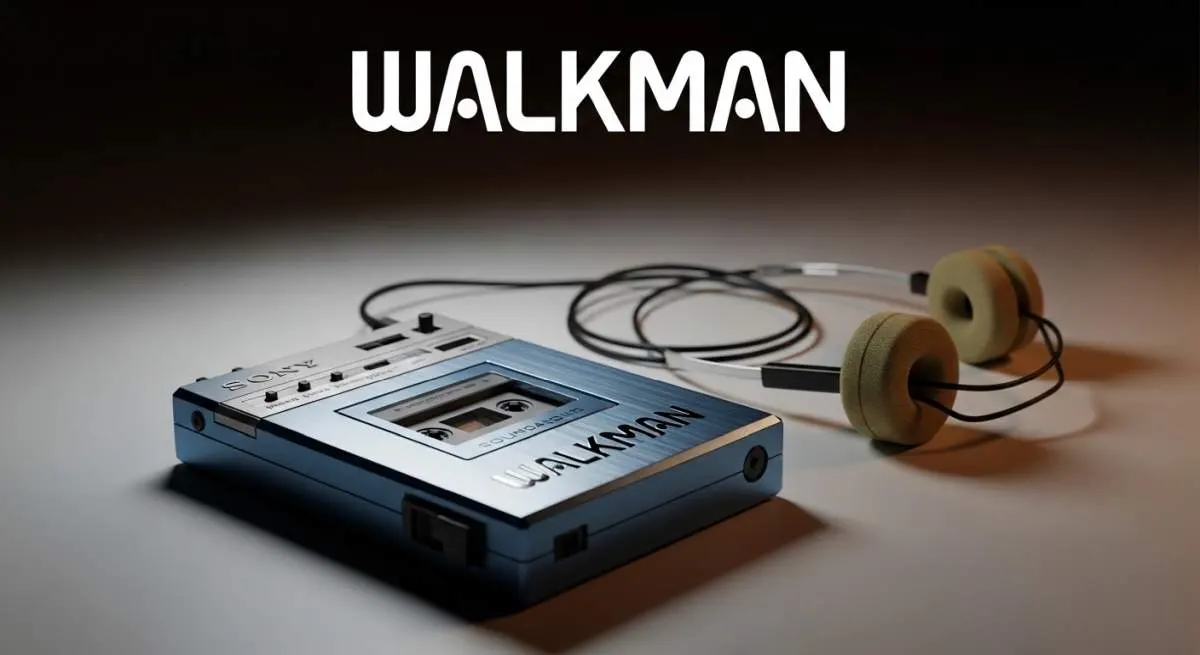
The Name That Almost Killed a Revolution
Picture the scene: 1979, Sony's engineers have just perfected a sleek, portable cassette player. It's a marvel of miniaturization, promising to liberate music from living room stereos. The marketing team is buzzing, ready to launch a cultural phenomenon. And the name they plan to stamp on it? Soundabout. It sounds less like a revolution and more like a budget-brand kitchen appliance or a forgettable educational toy.
If that name had stuck, the device might have gathered dust on discount shelves, another footnote in tech history. Instead, a last-minute pivot gave us "Walkman" and the rest is the soundtrack to an entire generation.
This story isn't just corporate trivia. It reveals the razor-thin line between a world-changing gadget and a forgotten flop. The choice between Soundabout and Walkman was a choice between describing a function and selling a feeling. It was the difference between a product you buy and a lifestyle you adopt. The tale of this near-disaster shows how a single word can carry the entire vision of what a product means to people's lives, a lesson that echoes in every successful brand today.
The Logic and Lethargy of 'Soundabout'
On paper, Soundabout made sense. The device played sound, and you carried it about. It was descriptive, literal, and utterly devoid of magic. The name didn't whisper of freedom, motion, or personal soundtracks. It sounded corporate, safe, and slightly tired before the first unit even rolled off the production line. Sony knew they had something special, a device light enough to clip to a belt, small enough for a jacket pocket, but Soundabout failed to capture any of that wonder.
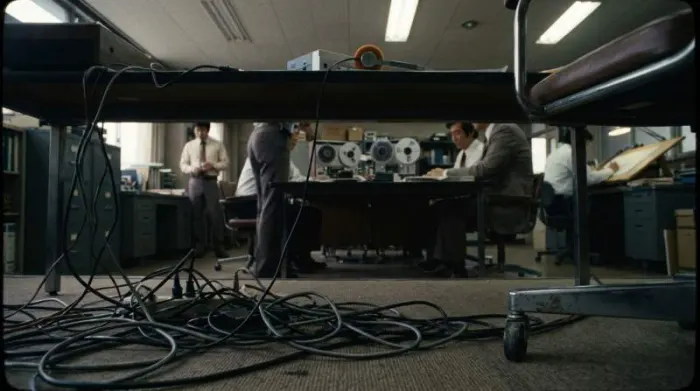
It was a name that spoke to what the machine did, not what it enabled you to be. In the late 70s, as individualism surged, a name needed to promise more than utility. It needed to suggest identity. Soundabout positioned the gadget as a piece of consumer electronics. What the moment demanded was a name that positioned it as a passport to a new way of living, a companion for the modern, mobile self. The marketing team sensed this disconnect, this gap between the product's potential and its proposed identity, and knew a change was crucial.
Why 'Walkman' Was the Perfect Fit
Then came Walkman. Instantly, the entire concept snapped into focus. Where Soundabout was passive, Walkman was active, a verb disguised as a noun. It suggested movement, independence, and casual confidence. You didn't just carry music; you walked with it. The name painted a picture of commuters, students, and joggers, all untethered from their living rooms. It borrowed a playful, almost comic-book hero cadence, appealing directly to the young audiences who would become its most fervent evangelists.
The name also had a clever internal precedent at Sony. The company had already released a portable cassette recorder for journalists called the Pressman. Walkman followed the same elegant, active-word pattern. It was simple, memorable, and it worked intuitively. More than that, it promised membership. Owning a Walkman didn't just mean you had a new tape player; it meant you were part of a new, mobile tribe. The name was the first and most important piece of marketing, a single syllable that sold the dream of portable, personal freedom.
The Right Tech at the Right Time
The Walkman didn't invent the portable cassette player, but it perfected it for a cultural moment that was ripe for change. By 1979, the cassette tape was the dominant format, cheap, durable, and perfect for duplication. The technology had matured just enough to allow for genuine portability without sacrificing decent sound quality. This convergence of reliable hardware and ubiquitous software was essential.
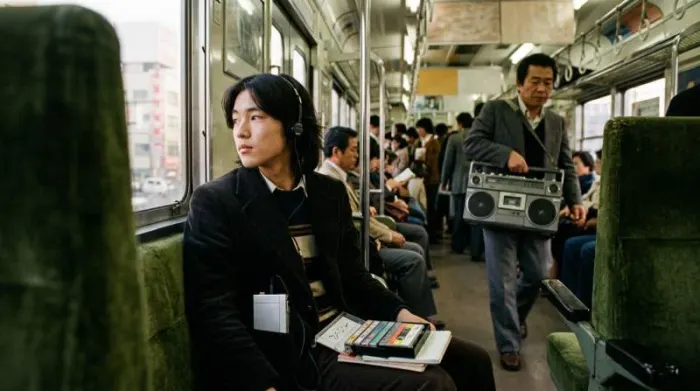
Culturally, the late 70s and early 80s were all about the self. Personal expression, fitness culture, and urban mobility were on the rise. The Walkman arrived as the perfect tool for this new individualism. Before it, your musical options outside the home were limited to car radios or live venues. The Walkman shattered that limitation, turning the entire world into a potential private concert hall. It was the right product with the right name, arriving exactly when society was ready to embrace it.
From Personal Stereo to Cultural Icon
The impact was immediate and profound. The Walkman changed the texture of everyday life. You could now score your commute with your favorite album, craft a mixtape for a road trip, or find a rhythm for a neighborhood jog. It also subtly altered social dynamics in public spaces. Those distinctive foam headphones became a universal "do not disturb" sign, a signal that the wearer was in their own sonic world. This created a new kind of portable privacy, a concept that feels utterly familiar today but was revolutionary then.
By the mid-80s, the Walkman had transcended its status as a gadget. It became a fashion accessory, a status symbol, and a canvas for personal expression. People covered them in stickers, chose specific colors, and treated them as extensions of their identity. It appeared in films and music videos as shorthand for cool, modern youth. The device was personal in a way few consumer electronics had been before; it was your curated soundtrack, your mobile escape, your statement.
A Template for the Future
The Walkman's influence stretched far beyond the cassette era. It established the entire template for personal portable music. When the iPod debuted in 2001, its philosophy was pure Walkman: a sleek, intuitive device that promised your entire music library in your pocket. The marketing around personal liberation, the design focused on simplicity and style, it all echoed Sony's original breakthrough.

Today, in our age of digital ephemera, the Walkman is experiencing a nostalgic revival. Vintage models command high prices from collectors, and new companies are making modern cassette players. It has become a symbol of a tactile, pre-internet relationship with technology, where your music was a physical object you curated and carried. This enduring legacy all traces back to a naming decision that captured not just what the device did, but what it meant.
The Lasting Lesson of a Name
The chasm between Soundabout and Walkman teaches a timeless lesson about how products embed themselves in culture. A great name doesn't just describe; it tells a story and makes a promise. Soundabout was a description of a function. Walkman was a promise of freedom, identity, and movement. It positioned the technology as an enabler of lifestyle, not just a repository of circuitry.
In our current era of algorithmically generated, focus-grouped brand names, the Walkman story is a potent reminder. Sometimes the most powerful choice is the simplest, most direct one that connects on a human level. It's a reminder that behind every iconic product is a narrative, and the right name is the first sentence of that story. Forty-five years later, "Walkman" still resonates with warmth and recognition, while "Soundabout" survives only as a cautionary tale of what might have been, proof that a single word can either doom a revolution or launch one into eternity.
Why did Sony choose the name Walkman
Sony chairman Akio Morita insisted on 'Walkman' despite fierce internal opposition, arguing it was catchy and fit the device's portable nature. The name was also a nod to the company's earlier 'Pressman' recorder, creating a playful family of products. Morita famously threatened to resign if the name wasn't used, a gamble that paid off spectacularly.