
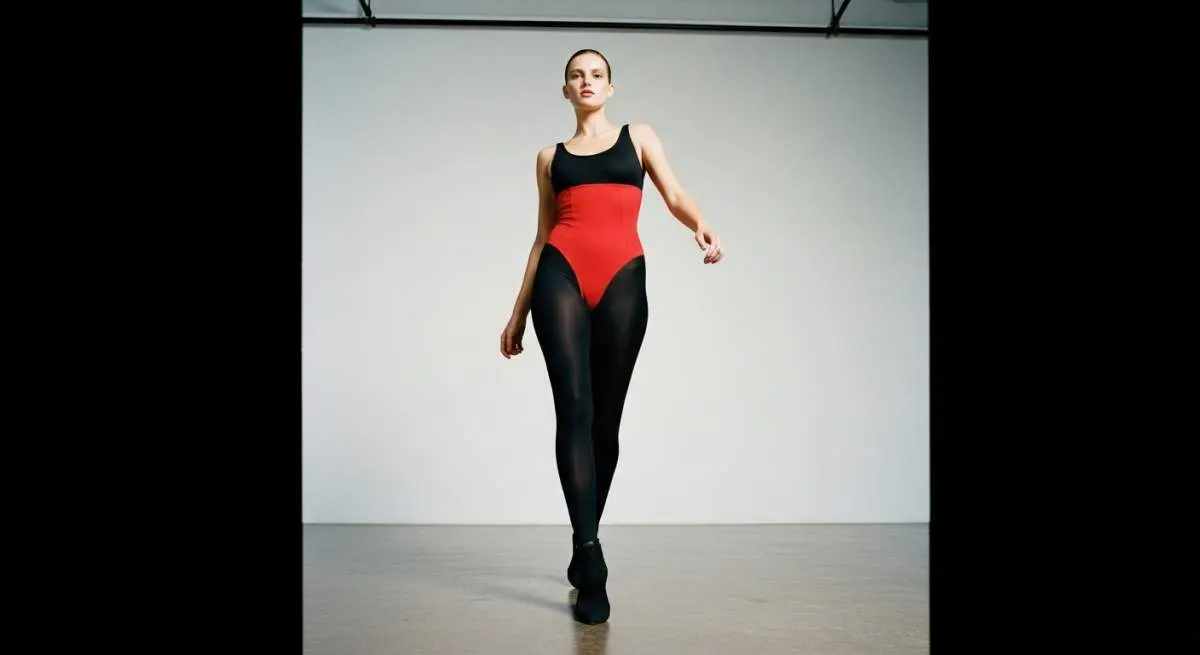
The 80s Vibe: How Spandex Found Its Beat
The fabric felt like a second skin, letting you move freely while staying breathable and tough enough for even the hardest workouts. That meant clothes could be both form-fitting and functional, never restrictive. And the high cut? It really showed off what spandex could do. This wasn't just about a new silhouette; it was a technological marvel. Spandex, also known as elastane, was a synthetic fiber invented in the late 1950s by chemist Joseph Shivers at DuPont. Its incredible stretch and recovery meant it could hug every curve without losing its shape, a perfect match for the dynamic, high-energy fitness movement of the 1980s. The high-cut leg opening, rising high on the hip, was a deliberate design choice. It elongated the leg line, creating an optical illusion of longer, leaner limbs, a visual trick that became a billion-dollar secret for the fitness apparel industry.
Fonda's Form and Function: The Workout Video Revolution
Jane Fonda was more than a movie star-she was a fitness icon. Her athletic build gave the high-cut look real credibility. She proved it could be powerful and graceful, especially in every workout video she made. Women watched her and wanted to move with that same strength.
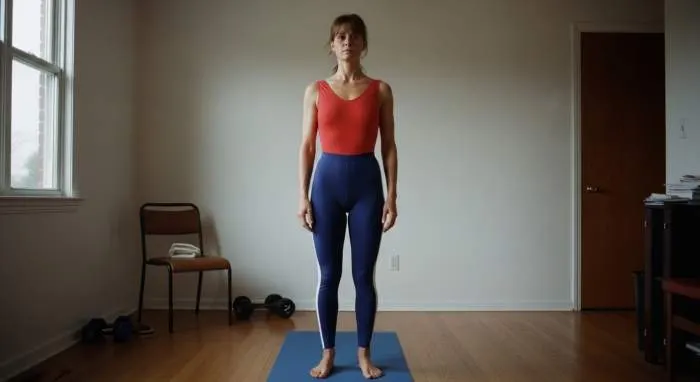
Jane Fonda's high-cut style exploded beyond the gym. It quickly seeped into pop culture, and a new silhouette took over screens and stages. It felt totally fresh, not just a fitness fad but a cultural earthquake. Everyone saw it. The look tapped into a broader 80s ethos of boldness and self-expression, where fashion was loud, colorful, and unapologetically body-conscious. This shift mirrored the era's embrace of technology and futurism, with synthetic fabrics like spandex representing a modern, forward-thinking attitude. The high-cut leotard became a visual shorthand for energy, ambition, and a new kind of feminine power that was both athletic and glamorous.
Music videos especially embraced the aesthetic. Artists like Madonna made leotards a staple-her "Material Girl" video was full of playful energy. Then Janet Jackson took it further with her iconic "Rhythm Nation" era, mixing high-waisted, cropped spandex with military precision and undeniable power.
From Silver Screen Sweat to Street Style
Hollywood quickly caught the fever. Films like 'Flashdance' (1983) cemented the look, Jennifer Beals' character wore off-the-shoulder tops and leggings with gritty charm, inspiring countless young women to embrace their own strength. The movie's iconic dance scenes, set to a pulsating synth-pop soundtrack, made sweat stylish. Even television picked up the trend: shows like 'Saved by the Bell' featured characters in colorful, high-cut leotards, swimwear, and leggings, bringing the style into everyday teen life. It was everywhere, from workout tapes to Saturday morning cartoons. Music videos, the era's ultimate fashion runway, especially embraced the aesthetic. Artists like Madonna made leotards a staple, her 'Material Girl' video was full of playful energy. Then Janet Jackson took it further with her iconic 'Rhythm Nation' era, mixing high-waisted, cropped spandex with military precision and undeniable power, creating a look that was both disciplined and fiercely expressive.
This style truly hit the streets. It wasn't just for celebrities. Women wore leggings and bike shorts for errands, pairing them with oversized sweaters or crop tops. I remember my own sister rocking electric blue bike shorts to the mall. She thought she was the height of cool, and honestly, she kind of was. It signaled a shift: comfort and fashion finally met, and it showed a new confidence in women's bodies. Fashion magazines ran with the craze, filling pages with vibrant spandex and neon colors. Fitness editorials turned into high-fashion spreads, blurring the line between activewear and everyday clothing. Suddenly, showing off your legs was fashionable, not just functional, a complete reversal from previous decades where modesty was often expected. This street-level adoption was the real secret to the trend's billion-dollar impact; it created a massive, ready-made market for athletic wear as casual wear.
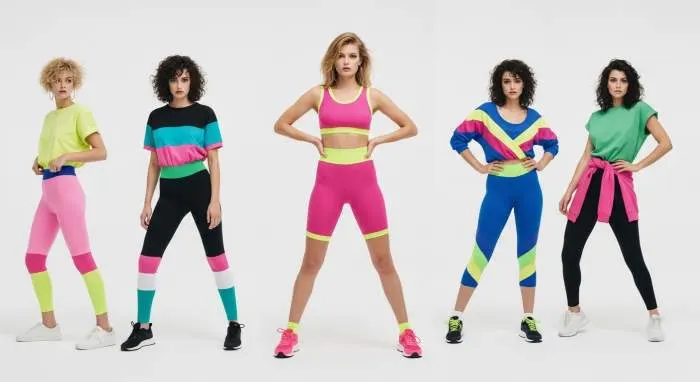
The Spandex Legacy: From Icons to Athleisure
The legacy of Fonda's high-cut style lived on through many trendsetters who kept the spirit alive. These stars showed its versatility as it moved from exercise into performance art and became a symbol of strength and freedom. In the 1990s, pop culture continued the thread. Olivia Newton-John had already brought high-cut spandex to mainstream pop culture in her 'Physical' video, and Cyndi Lauper added her own quirky, rebellious twist. Even Princess Diana was famously spotted in bike shorts during her casual outings, proving the trend had truly gone global and transcended class. The high cut wasn't just for dancers or athletes anymore, it was for everyone, from royalty to teenagers, signaling a democratization of style that prioritized personal comfort and movement.
- Paula Abdul in her energetic music videos.
- Salt-N-Pepa, making bike shorts undeniably hip.
- Cher, often performing in dazzling costumes.
- Tina Turner, embracing strong, athletic silhouettes.
- The cast of GLOW, showcasing wrestling leotads with pride.
It's interesting to contrast this with earlier fashion revolutions. The bias-cut gown of the 1930s, for instance, celebrated fluid elegance with soft drapes, creating a sinuous, passive silhouette. Fonda's look, in stark contrast, pushed boundaries toward dynamic, body-hugging power. It was an active, assertive silhouette for an active, assertive era. This was a true fashion revolution rooted in function, a direct response to the growing participation of women in sports and fitness culture, which itself was a form of social liberation.
This style didn't fade away; it evolved. Today's athleisure craze owes a direct debt to those bold 80s looks. High-cut leggings, bodysuits, and one-pieces are everywhere again, from yoga studios to red carpets. Designers keep bringing back the silhouette, and celebrities like Beyoncé and Kim Kardashian have made it their own. The high cut is timeless. It's about confidence, movement, and feeling unstoppable. The billion-dollar secret was that spandex did more than clothe a trend; it helped catalyze an entire industry. It proved that clothing designed for performance could also define a cultural identity, merging the gym with the street and the stage in a way that continues to shape how we dress decades later.
The high-cut spandex phenomenon shares a deeper connection with other key moments in fashion history where a haircut or a garment became a symbol of personal freedom. Just as the flapper's bob cut in the 1920s signaled a rebellion against Victorian constraints, the high-cut leotard of the 80s represented a rebellion against sedentary, restrictive femininity. Each was a visual declaration of a woman's right to define her own image and move through the world on her own terms. From the dance floor of Studio 54 to the home workout mat, the message was the same: liberation feels good, and it looks even better.
So the next time you slip on a pair of high-waisted leggings or see that silhouette on a runway, remember it's more than a retro comeback. It's the legacy of a fabric that changed everything, an optical trick that sold a dream of strength, and a cultural shift that started in living rooms with Jane Fonda telling us to feel the burn. That high-cut hysteria wasn't just a flash in the pan; it was the foundation of a way of dressing that prioritizes the body in motion, a billion-dollar secret that turned workout wear into a wardrobe essential for generations.
What was the original purpose of spandex when it was invented?
When Joseph Shivers first created spandex at DuPont in 1958, it wasn't meant for workout gear at all. The fiber was originally developed as a replacement for rubber in corsets and girdles, aiming to give women a smoother silhouette under dresses. It wasn't until the aerobics boom of the 1980s that spandex found its true calling as a symbol of movement and freedom.