
What Is an Off-the-Shoulder Top?
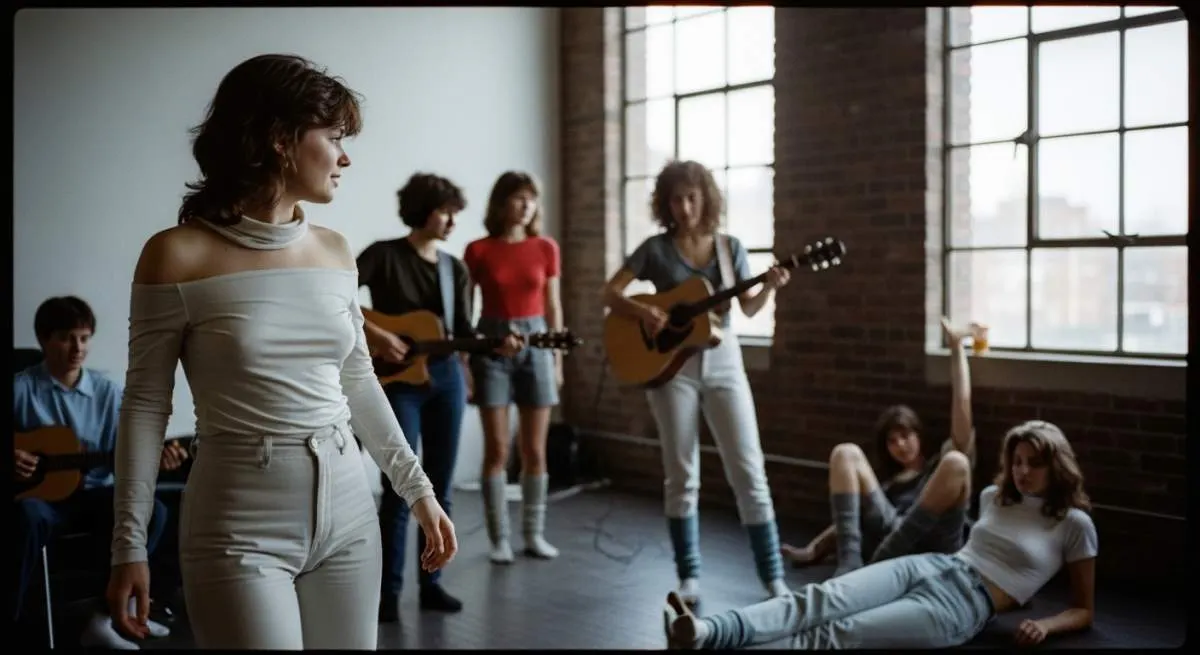
An off-the-shoulder top is designed to sit below your shoulders, showing off your collarbone, upper arms, and often the top of your chest. It creates a horizontal neckline that frames your shoulders and draws the eye upward. This silhouette has popped up in different forms over the centuries, but its modern identity really took shape in the 1980s.
This style is different from a strapless top, which bares the whole shoulder area, or a one-shoulder top, which covers one side. The off-the-shoulder look keeps both shoulders bare while the sleeves or fabric wrap around your upper arms. It strikes a nice balance between coverage and exposure, making it a versatile choice for both casual and dressy occasions.
18th Century French Aristocracy
The earliest known version of the off-the-shoulder look comes from 18th century France, where aristocratic women wore gowns with a wide, low neckline called the "décolleté." This style was meant to show off pale, powdered shoulders, which were considered a sign of wealth and leisure. Women of the court wore these gowns to balls, salons, and formal gatherings, often pairing them with elaborate jewelry and fans.
The décolleté wasn't a casual garment, it was a deliberate statement of status and fashionability. It required careful posture and undergarments like stays to keep its shape. This early version set the template for later revivals, though it stayed within the upper classes for generations.
1950s Hollywood and the Bardot Neckline
The off-the-shoulder look came back in the 1950s, largely thanks to French actress Brigitte Bardot. She wore a white off-the-shoulder blouse in the 1956 film "And God Created Woman," and the style quickly became known as the "Bardot neckline." Bardot's version was softer and more romantic than the structured 18th century gowns, made from cotton or silk and often featuring ruffled edges.
This iteration spread through Hollywood and European fashion magazines, reaching a wide audience of young women. It was seen as both glamorous and a little rebellious, a departure from the prim, high-necked styles of the early 1950s. The Bardot neckline stayed popular through the early 1960s, especially in summer dresses and peasant blouses.
The Movie and Its Iconic Sweatshirt Scene
The modern off-the-shoulder craze exploded in 1983 with the release of "Flashdance," starring Jennifer Beals as Alex Owens, a welder by day and dancer by night. In one of the film's most memorable scenes, Alex wears a gray sweatshirt with the neck cut wide open, exposing one shoulder. The look was simple, handmade, and instantly copied by millions of viewers.
That sweatshirt became a symbol of rebellion, sensuality, and working-class grit. It wasn't a designer piece but a DIY alteration, which made it accessible to anyone with a pair of scissors. The film's costume designer, Michael Kaplan, later explained that the off-the-shoulder sweatshirt was meant to show Alex's toughness and vulnerability at the same time.
The Global Fashion Revolution of 1983
Within weeks of the film's release, clothing manufacturers rushed to produce off-the-shoulder sweatshirts, tops, and dresses. Department stores dedicated entire racks to the style, and teenagers everywhere cut their own sweatshirts at home. The look was worn with leggings, leg warmers, and chunky sneakers, creating a complete 80s workout aesthetic.
Celebrities like Madonna and Cyndi Lauper adopted the off-the-shoulder look, further cementing its place in pop culture. It appeared in music videos, on magazine covers, and at school dances across America. The Flashdance top wasn't just a garment, it was a cultural signal that the wearer was bold, independent, and in tune with the times.
Ruffles, Cut-Outs, and Modern Twists
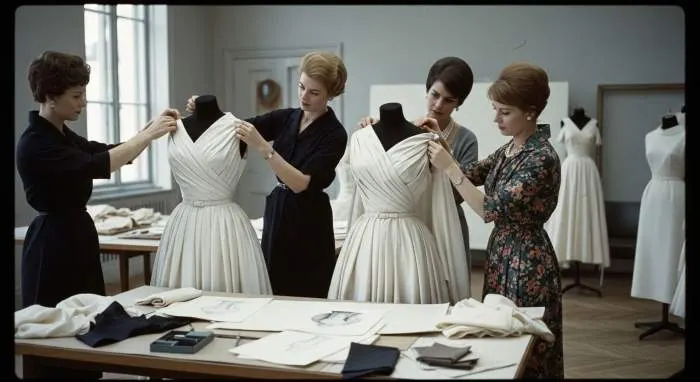
Today's designers are reworking the off-the-shoulder silhouette with fabrics that feel both luxurious and practical. Modal blends offer a soft, fluid drape, while recycled satins bring a structured elegance that works from day to night. These new materials give the classic look a refined update without losing its playful spirit.
One-shoulder variations are making a strong statement in contemporary fashion. This subtle shift adds a touch of daring sophistication while keeping the overall silhouette familiar. It is a modern twist that feels both fresh and rooted in the past.
Designers have experimented with single-sleeve cuts, diagonal necklines, and draped fabric that wraps around the body. These asymmetrical styles offer a new way to wear the off-the-shoulder concept without repeating the exact 80s look. They appeal to women who want something edgy but still wearable.
Playful ruffles and strategic cut-outs inject a dose of contemporary flair. Ruffles add movement and romance, while cut-outs create visual interest and a hint of skin, elevating the silhouette beyond its vintage roots.
Some modern tops combine the off-the-shoulder neckline with puff sleeves, lace panels, or tie-front closures. These details make each piece feel unique and personal, honoring its 80s heritage while fitting seamlessly into a 2020s wardrobe.
Seek Authenticity in Vintage Finds
Authenticity is paramount when seeking that perfect piece from a bygone era. It is about more than just style, it is about a connection to history. Look for unique textures and retro patterns that speak volumes about the time they were made.
These finds offer unparalleled character that mass-produced modern garments cannot replicate. They let you wear a piece of fashion history, a genuine tribute to timeless design. Vintage off-the-shoulder tops from the 80s often feature bold prints, shoulder pads, and original tags that add to their charm.
Thrift stores, estate sales, and online vintage shops are the best places to hunt for authentic off-the-shoulder tops. Look for pieces made from cotton jersey, velour, or lightweight knits, which were common in the 80s. Pay attention to the condition of the elastic or drawstring that holds the top in place, as these parts often wear out first.
Online platforms like Etsy and Depop have large collections of vintage 80s tops, often listed with detailed measurements and photos. Some sellers specialize in Flashdance-era clothing and can help you find a piece that matches your size and style. The hunt itself is part of the fun, and each find comes with its own story.
Why the Off-the-Shoulder Top Endures
The off-the-shoulder top has survived for over 40 years because it balances exposure with modesty, rebellion with romance. It flatters a wide range of body types and can be dressed up or down with ease. From the French court to the dance floor of Flashdance, it has always been a style that invites attention without demanding it.
Today, the off-the-shoulder top appears in everything from casual cotton tees to elegant evening gowns. It has been embraced by boho chic enthusiasts, 80s revivalists, and mainstream fashion brands alike. Its ability to adapt to new fabrics, cuts, and cultural moments ensures that it will remain a wardrobe staple for years to come.
What is the history of off the shoulder tops
Before the 18th century, off-the-shoulder styles appeared in Renaissance paintings, where artists like Titian depicted women in loose, draped fabrics that hinted at the shoulder. These early versions were more about artistic idealization than everyday wear, but they planted the seed for the neckline's romantic appeal.