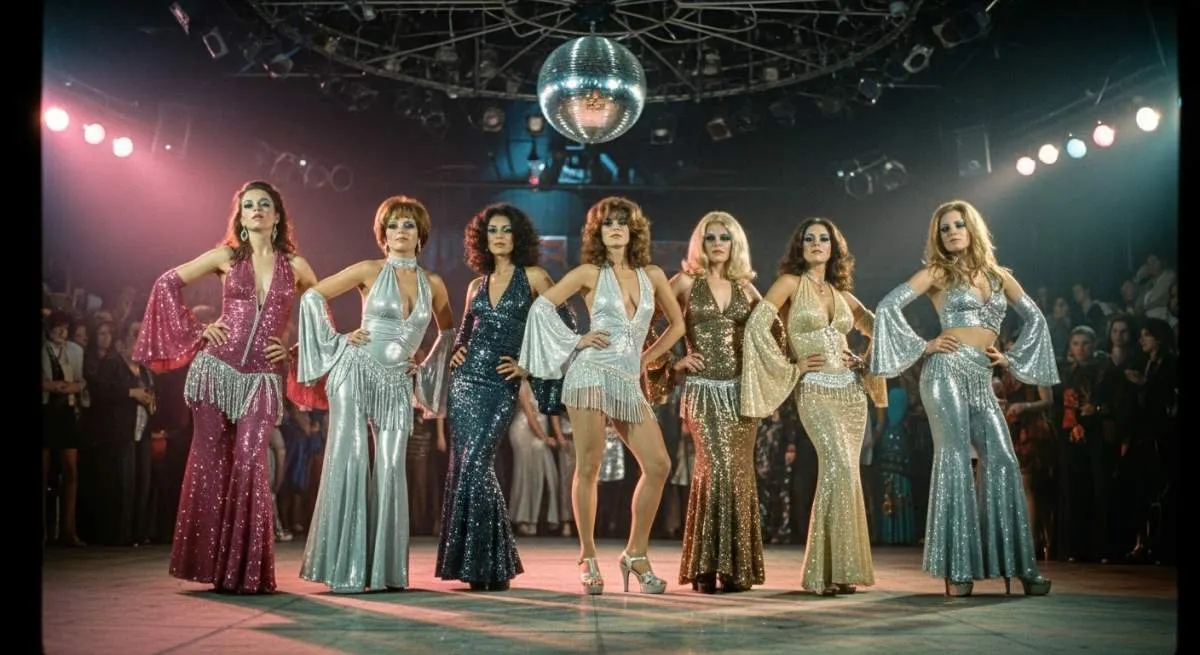
The 1970s were a fascinating, often contradictory decade, acting as a crucial bridge between the counter-cultural idealism of the 1960s and the opulent excess of the 1980s. Emerging from the shadow of Vietnam and Watergate, a new desire for escapism, joy, and self-expression took hold. Nowhere was this more evident than in the vibrant, pulsating world of disco.
Its ultimate temple, Studio 54, wasn't just a place to dance; it was a stage, a sanctuary, and a canvas for an explosion of fashion that defined an era. The looks worn by the "real disco queens", from celebrities to everyday regulars, were a testament to glamour, freedom, and an unapologetic embrace of individuality. This article digs into the styles that captivated a generation, tracing the looks that made disco fashion so unforgettable.
From Underground to Mainstream: Disco's Cultural Revolution
This sense of liberation was intrinsically linked to the music, characterized by its infectious, propulsive beat. The rhythmic foundation of four-on-the-floor music, with its steady, driving bass drum, was the heartbeat of the disco movement, compelling everyone onto the dance floor. This wasn't background music; it was the main event, and the fashion had to keep up with its relentless energy.
"Guests weren't just attending a party; they were performing, and their outfits were their costumes."
Studio 54: The Sartorial Stage
When Studio 54 opened its doors in 1977, it elevated disco from an underground phenomenon to a global spectacle. Suddenly, the world was watching, captivated by tales of celebrity excess and lavish parties. Beyond the headlines, Studio 54 fostered a unique sartorial ecosystem.
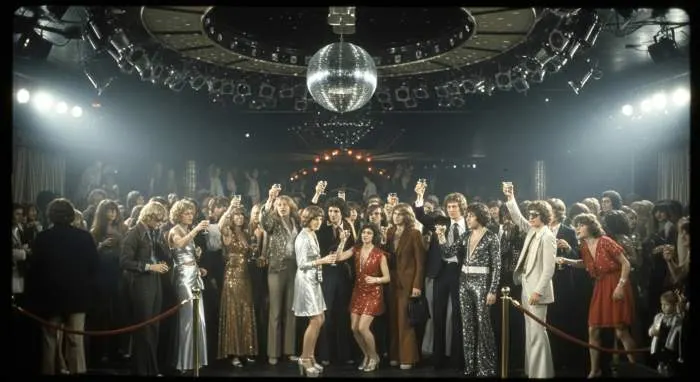
It demanded attention, encouraged flamboyance, and celebrated daring. The fashion was a crucial component of the experience, a non-verbal declaration of intent. This dynamic played a significant role in shaping Studio 54 fashion history, making it distinct even within the broader disco movement. The deeper you look, the clearer it becomes just how far that influence reached.
Fabrics That Danced: Shine, Sparkle, and Movement
At the heart of disco fashion was a profound love affair with shine, sparkle, and movement. Fabrics were chosen specifically to catch the strobe lights and accentuate every sway, spin, and shimmy on the dance floor. These materials weren't just pretty; they were functional, designed to enhance the visual spectacle of the dance.
Jumpsuits, Flares, and Minis: The Iconic Silhouettes
The silhouettes of disco fashion were all about freedom and accentuating the body in a glamorous, often sensual way. The jumpsuit emerged as perhaps the most iconic garment of the era, offering an all-in-one solution for comfort and chic. From sleek, form-fitting numbers with plunging necklines to wide-legged, flowing versions in vibrant prints, jumpsuits were versatile.
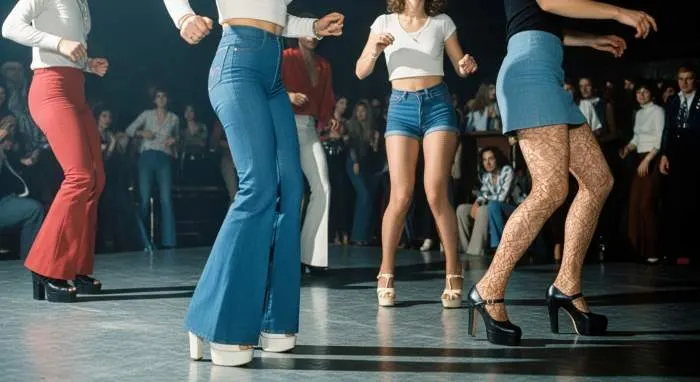
For those seeking a slightly more sophisticated yet equally daring look, wrap dresses, popularized by designers like Diane von Fürstenberg, offered a flattering, adjustable silhouette. Maxi dresses, particularly those with high slits or dramatic cut-outs, provided a sense of flowing elegance. Even tailored suits for women, often in bold colors or pinstripes, became part of the disco repertoire, challenging traditional gender norms and signaling a new era of female empowerment. These truly were iconic disco outfits for women.
Bohemian Rhapsody Meets Disco Glamour
While glamour was paramount, there was also a strong current of bohemian influence that permeated 1970s fashion, often intertwining with disco aesthetics. The free-spirited ethos of the late 1960s didn't vanish; it simply evolved. For the disco queen, this translated into softer textures, earthy tones balanced with metallic accents, and a more relaxed elegance.
Dramatic Footwear and Accessories
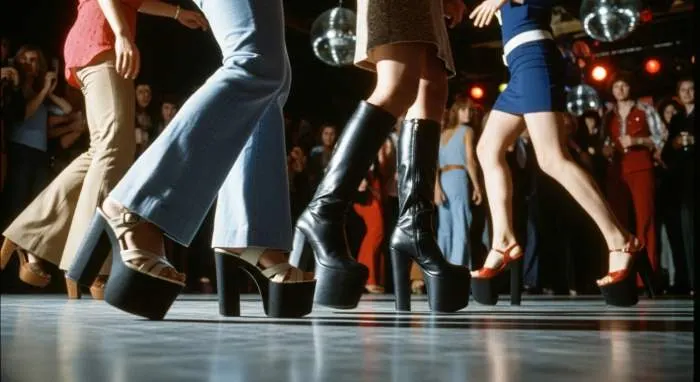
The footwear of the disco era was, quite literally, elevated. Platform shoes were non-negotiable for anyone hitting the dance floor. These weren't just shoes; they were architectural statements, adding inches of height and significant drama to any outfit.
Hair, Makeup, and the Art of Transformation
Makeup was equally dramatic: glitter and shimmer were applied liberally, especially around the eyes, designed to catch and reflect the club lights. Bold eyeshadows in blues, greens, and purples were common, often blended into a smoky effect. Heavy blush, contoured cheeks, and glossy, often brightly colored lips completed the look, ensuring that faces were as expressive and captivating as the outfits.
Icons and Everyday Queens Who Shaped the Legacy
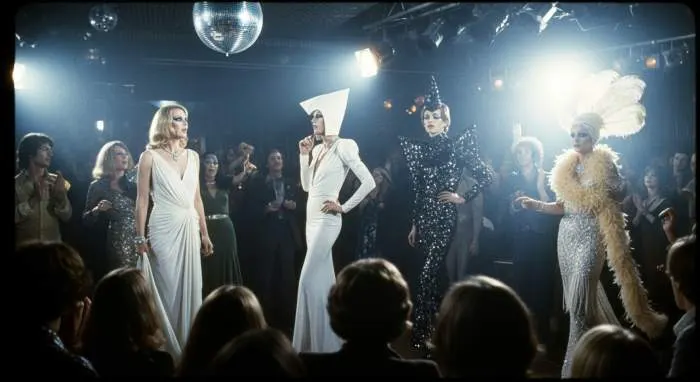
The "real disco queens" weren't just celebrities, though figures like Bianca Jagger, Grace Jones, and Diana Ross certainly set the gold standard for extravagance. Bianca's legendary entrance into Studio 54 on a white horse, dressed in a custom Halston gown, remains one of the most iconic moments in Studio 54 fashion history. What most people don't know is that the horse was actually borrowed from a Ringling Bros. circus act performing nearby, and Halston reportedly designed the gown in under 48 hours, draping it directly on Bianca the afternoon of her birthday party. Grace Jones's avant-garde, powerful looks, often blurring gender lines, pushed boundaries, while Diana Ross exuded pure diva glamour in her sequined gowns and feathered boas.
For the everyday disco queen, achieving the look often involved a mix of high-low fashion. Department stores quickly caught on to the trend, offering ready-to-wear versions of popular styles: polyester jumpsuits, metallic knit tops, and flared trousers. Vintage stores became treasure troves for unique pieces.
The emphasis was on personal expression, even if it drew inspiration from mainstream trends. Many club-goers embraced a DIY approach, adding sequins, glitter, and embellishments to their existing wardrobes. This accessibility meant that disco fashion wasn't just for the rich and famous; it was for anyone who wanted to feel fabulous, escape, and dance the night away.
Ultimately, the fashion of Studio 54 and the broader disco movement was a reflection of the times: a yearning for joy, an embrace of diversity, and a celebration of self. It was bold, often outrageous, and always designed to make a statement. The outfits were more than just clothes; they were an integral part of the experience, enabling the transformation from everyday individual to glittering disco royalty.
The legacy of this era's style continues to inspire, reminding us of a moment when fashion was truly about freedom, fantasy, and the exhilarating power of the dance floor. The real disco queens, in their shimmering jumpsuits, platform shoes, and voluminous hair, didn't just wear clothes; they wore their dreams, shining brightly under the disco ball, forever etched into the annals of fashion history. This lasting impact confirms the era's unique and vibrant contribution to fashion culture.
The owners behind the velvet rope
Studio 54 opened on April 26, 1977 in a former CBS television studio on West 54th Street.
Owners Steve Rubell and Ian Schrager turned the old TV soundstage into the world's most selective dance floor.