The Naked Truth: How Gravy and Grit Gave Legs Luster

It’s the 1940s. War rages, resources are scarce, and silk stockings? They’re a luxury long gone, diverted for parachutes and military needs. (You can read more about wartime rationing of textiles here: Source). Yet, on the silver screen and bustling city streets, women still flaunted perfectly ‘stocking-clad’ legs. How? Forget designer hosiery; we’re talking about a beauty hack so audacious, so resourceful, it defines an era: the world of liquid stockings in WWII.

This wasn't a minor inconvenience. Silk and nylon, the backbone of women's hosiery, vanished almost overnight. Necessity, as they say, breeds invention. For women of wartime, invention meant turning kitchens into clandestine beauty labs. 

When asked, "how did women paint their legs during rationing?", the answer often involved concoctions that sound more like a culinary disaster than a cosmetic solution.

We're talking about everything from instant coffee and tea dregs to actual kitchen gravy browning. Yes, gravy. The very stuff for Sunday roast was repurposed to give a convincing, if temporary, tan hue to bare calves. Hollywood stars, those bastions of glamour, were no exception. While studio-approved makeup was likely available, the spirit of resourcefulness certainly extended to them. Faced with the same rationing woes, even the biggest names adapted. Bare legs in public were simply not done.

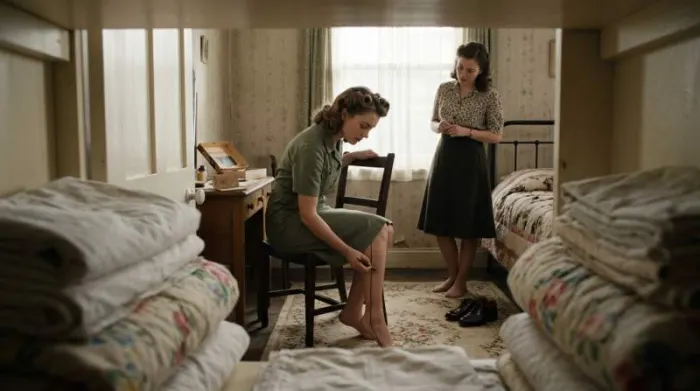
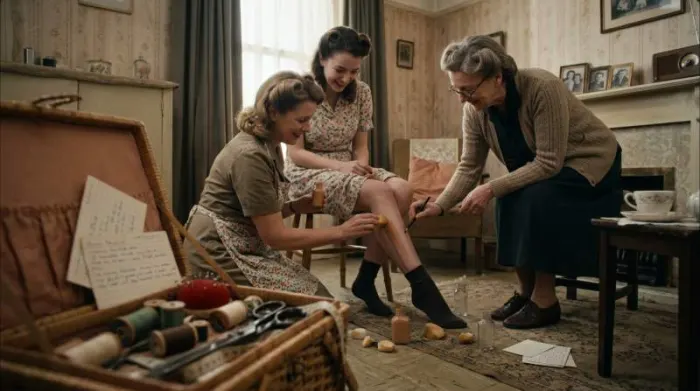
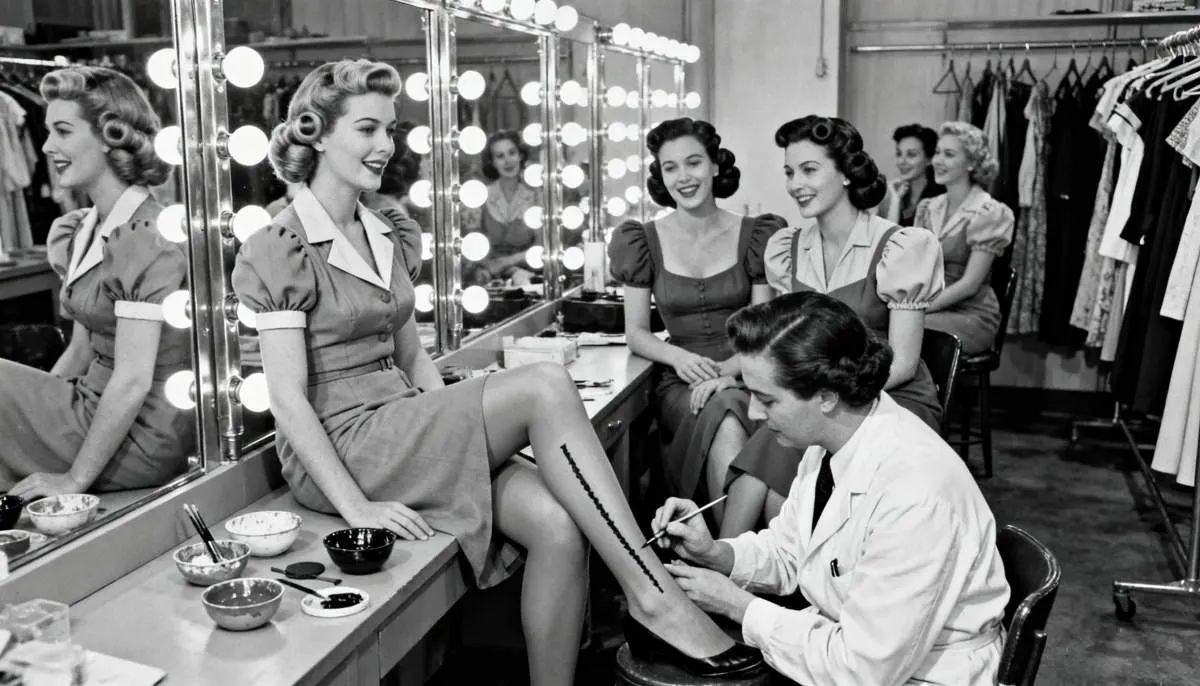
The routine was simple: wash, mix, paint, and draw a seam. Women applied the liquid ‘stocking’ mixture, often using a sponge or their hands, then took an eyebrow pencil to meticulously draw a straight line down the back of each leg, mimicking a traditional stocking seam. 

It was an art form born of pure grit and a refusal to let the war dictate every aspect of their lives. This wasn't just about vanity; it was about maintaining a sense of normalcy, dignity, and a defiant sparkle in the face of austerity.

1940s Wartime Diy Stockings Resilience

This practice is a powerful testament to female ingenuity during unprecedented times. It's a vivid snapshot of how global conflict seeped into the most intimate parts of daily life, transforming even the simplest beauty routine into an act of defiance. 

From Hollywood backlots to factory floors, these painted legs were a uniform of resilience, telling a story of innovation, resourcefulness, and a refusal to surrender personal style, even when the world was literally falling apart.

This incredible practice isn't just fascinating; it reveals much about the spirit of the 1930s-1940s. It’s more than just "gravy and tea for legs WWII history"; it’s about reclaiming a piece of identity. How did women navigate this unique challenge? How convincing were these makeshift stockings? We're about to pull back the curtain on one of history's most ingenious beauty hacks.

The Great Leg Illusion: How Wartime Necessity Revolutionized Hollywood Glamour

It's 1942. While Humphrey Bogart's Rick Blaine was busy telling Sam to "play it again" in Casablanca, women on both sides of the Atlantic faced a different kind of drama: the disappearance of their beloved silk and nylon stockings. World War II wasn't just reshaping geopolitical maps; it was turning the fashion industry upside down, forcing women to get incredibly creative. Suddenly, sleek, smooth legs, a hallmark of 1930s-1940s glamour, became a DIY project.

Nylon's Ascent and Swift Descent: Why Stockings Vanished

Before discussing the tea and gravy, let's understand the 'why'. Nylon, DuPont's "miracle fiber," hit the market big in 1939, offering a durable, sheer alternative to silk. Women went wild for it. But when the US entered World War II in December 1941, the war effort took precedence. 

Historical Insight: Pro Tip: For a deeper look at this period, don't miss our feature on THE BEE’S KNEES: HOW THE 1920S FLAPPER INVENTED MODERN COOL.

Nylon, due to its strength and flexibility, became a critical material for parachutes, ropes, and military equipment. Silk, already a luxury, was also redirected for war production, especially once Japan, a major silk producer, became an enemy combatant. Thus, "what were liquid stockings in WWII?" became the question of the hour, driven by pure necessity.

This wasn't just about personal style; it was about social convention. Bare legs, unless at the beach, were widely considered undignified or 'unfinished' in the mid-20th century. Women were expected to present a polished appearance, even with loved ones fighting overseas. The pressure to maintain a semblance of normalcy and glamour, despite severe rationing, was intense, prompting an ingenious, if sometimes messy, solution.

From Kitchen Cupboard to Hollywood Legs: The DIY Stocking Secret

With commercial stockings virtually unobtainable, women turned to their ingenuity – and their kitchen cupboards. The goal was simple: simulate the look of sheer stockings, complete with a realistic 'seam' down the back of the leg. This is where the legend of gravy and tea began.

Did Hollywood stars really paint their legs with gravy? While it makes for a fantastic headline, the reality for most actresses like Betty Grable or Rita Hayworth was probably a bit more refined. Studios likely concocted their own blend of theatrical makeup or secured limited commercial liquid leg makeup products. However, the idea that everyday women were using household items wasn't just a rumor; it was a widespread reality. 

1940s Liquid Stockings Hollywood Versus Home

They mixed ingredients like instant coffee grounds, cocoa powder, gravy browning (the liquid kind for thickening and coloring sauces), or strong black tea with lotion, baby oil, or a touch of glycerin. The consistency had to be just right: not too watery, not too thick, and definitely not streaky. It was a true wartime beauty trick, born of resourcefulness.

The Art of the Leg Paint: Application and the Illusion of a Seam

Painting legs wasn't a quick job. First, a woman would apply the homemade concoction evenly, often with a sponge, cotton wool, or her hands. Getting an even, streak-free finish was crucial to avoid looking like she'd waded through mud. The real magic, though, lay in creating the illusion of a stocking seam. This was usually done with an eyebrow pencil, a steady hand, or even a friend's help, drawing a straight line down the back of each calf. The result, from a distance, was surprisingly convincing.

This practice wasn't merely a niche wartime hack; it became a cultural phenomenon. Major magazines offered tutorials on "how did women paint their legs during rationing," solidifying its place in the history of female resilience and adaptation. It's a striking example of how personal style, even under duress, continues to adapt and evolve, proving that glamour, much like human spirit, always finds a way. The war may have taken away their nylon, but it couldn't take away their style.

Painted Legs, Unbowed Spirits: The Cultural Ripple Effect

The "liquid stocking trick" wasn't just a quirky footnote in history; it was a potent symbol of wartime ingenuity and female resilience. When genuine silk and nylon stockings vanished from shelves, diverted for parachute production and other military necessities, women faced a real dilemma. What were liquid stockings in WWII? They were simply cosmetic dyes or homemade concoctions designed to mimic the look of hosiery, right down to a drawn-on seam. This wasn't a niche trend; it was a widespread adaptation born of scarcity.

The cultural impact was immediate and profound. It represented a quiet act of defiance against wartime austerity. Despite severe rationing, women refused to let go of every vestige of pre-war glamour. Maintaining a sense of normalcy and elegance was vital for morale, not just for individual women but for the home front as a whole. It showed an unbreakable spirit, a determination to keep a certain standard, come what may.

1940s Wartime Glamour Home Front Resilience

Historical Insight: Similar trends are explored in our deep dive into THE REAL STORY OF FLAPPERS: BOB CUTS, JAZZ, AND FREEDOM!.

And yes, the stories are true: some women did paint their legs with gravy and tea during rationing. This wasn't an exclusive Hollywood beauty secret; it was a common, resourceful workaround. While cosmetic companies quickly introduced commercially available liquid stockings, the most accessible methods often involved items found in any kitchen. 

"Gravy and tea for legs WWII history" is less about celebrity endorsement and more about sheer necessity meeting ingenuity. Did Hollywood stars really paint their legs with gravy? Probably not the studio-groomed ones on set, but off-duty or for public appearances where commercial products might be scarce, they were likely not exempt from similar resourceful methods or commercially available alternatives. It highlighted that even glamour had to adapt.

This collective resourcefulness fostered a shared experience among women. Discussing how to get the perfect "seam" or the right shade became a communal topic. How did women paint their legs during rationing? They shared tips, concocted recipes, and meticulously applied the mixtures. This wartime beauty trick subtly shifted beauty standards too. 

It wasn't about perfection – a run in a painted stocking was easily fixed with more paint – but about appearance, effort, and maintaining dignity. It showed that glamour wasn't just about expensive materials but about presentation and personal pride.

Beyond the practicalities, the liquid stocking trick touched on deeper societal threads concerning gender roles. In a time when women were stepping into traditionally male roles in factories and fields, the desire to retain a feminine aesthetic was powerful. It wasn't about weakness; it was about agency. It was about choosing how to present oneself, even under immense pressure. The painted leg became a visible sign of this blend of strength and femininity, a testament to adapting without entirely surrendering. It reinforced the idea that women could be both essential to the war effort and maintain their identity.

The legacy of this practice extended beyond the war. It highlighted how cultural norms could be bent, reshaped, and reinvented out of necessity. It underlined the power of appearance in maintaining morale and identity, even in the most challenging times. 

The ingenuity demonstrated by women during WWII, from working in munitions factories to finding creative ways to look presentable with "Gravy and tea legs WWII history," remains a powerful narrative of adaptability and unwavering spirit. It's a reminder that true glamour often comes from within, especially when circumstances demand resourcefulness.

Beyond Gravy: Bringing Wartime Glamour to Your Gams Today

The idea of painting your legs with gravy or tea during WWII rationing is a fascinating slice of history, an ingenious wartime beauty trick born of necessity. Women were desperate for that polished look despite the scarcity of nylon stockings. They used whatever they could, from various concoctions of instant coffee and cocoa to actual gravy or tea to tint their legs, often drawing a seam line up the back with an eyebrow pencil. 

1940s Diy Liquid Stockings Tea Seam Line

It was resourceful, a true testament to ingenuity, and it answered the desperate question: what were liquid stockings in WWII? They were a DIY solution to a fashion dilemma, making bare legs look like they were sheathed in silk.

While those original methods are legendary – and yes, some Hollywood stars did rely on clever makeup tricks, if not literal gravy, to maintain their polished appearance – modern beauty has evolved. The core principle, however, remains timeless: achieving that seamless, perfectly tanned, and subtly highlighted leg without actual hosiery. 

Historical Insight: If you love this vibe, you'll also find DIOR'S NEW LOOK & 1950S PIN-UP: FEMININITY REDEFINED to be a fascinating read.

It's about creating an illusion of perfection, much like those resourceful women did when painting their legs during rationing. The goal isn't just to cover; it's to enhance, to give your gams that "just came back from the Riviera" glow.

So, how do we channel that iconic 1930s-1940s glamour without smelling like Sunday dinner? We embrace the spirit of the liquid stocking but upgrade the ingredients. Forget the tea and gravy for legs WWII history lessons; today, it’s all about high-tech body makeup and innovative self-tanners. It's about painting your pins with a purpose: to blur imperfections, even skin tone, and add a flattering warmth. This isn't about looking fake; it's about looking subtly perfected. You’re not just applying color; you’re crafting an aura of effortless elegance.

Here's how to achieve that liquid stocking look for today:

  • Prep is Key: Exfoliate thoroughly. A smooth canvas is crucial for an even application, preventing streaks and patchy spots. Dry skin can cling to product, making it look unnatural.
  • Choose Your Product: Opt for a wash-off body bronzer, a tinted body lotion, or a gradual self-tanner. These products are formulated for skin, not for culinary consumption, and offer a much more natural finish than any kitchen concoction.
  • Application Technique: Apply in long, even strokes. Work in sections, rubbing the product in thoroughly. Use a mitt for self-tanners to avoid stained hands. For a quick wash-off bronzer, your hands work just fine; just remember to wash them immediately afterward.
  • The Seamless Illusion: For that classic "seam" look, if you dare, use an eyebrow pencil or liquid liner in a shade slightly darker than your chosen leg tint. Draw a thin, straight line up the back of your calf, starting from the heel and ending just below the back of the knee. Practice makes perfect here.
  • Highlight and Contour: A touch of liquid highlighter down the front of your shins can elongate your legs and add dimension, mimicking the sheen of real stockings.

Embracing this modern take on wartime beauty tricks isn't just about aesthetics; it's about empowerment. It's about taking control of your look, no matter the circumstances, and celebrating that resourceful, confident spirit that defined a generation. Whether you’re opting for a subtle glow or a full-on faux stocking effect, you’re tapping into a legacy of cleverness and glamour. The true magic isn't in what you use, but in how you wear it.

Beyond the Broth: The Liquid Stocking's Lasting Impression

The real takeaway from all that leg-painting? It wasn't just about looking good in a pinch. It was about pure grit, a defiant shrug at scarcity during one of history's toughest periods. The liquid stocking wasn't merely a wartime beauty trick; it was a powerful symbol of ingenuity. Women, facing severe silk and nylon rationing, refused to let circumstances dim their shine, instead getting creative. This spirit of "make do and mend" wasn't confined to mending socks; it extended straight to their gams.

Hollywood stars, ever the trendsetters, normalized this resourcefulness, making it not just acceptable but almost fashionable. Imagine Joan Crawford or Rita Hayworth, their legs meticulously painted, setting a standard for civilian women across the globe. This widespread adoption, from Tinseltown to main street, addresses the question: Did Hollywood stars really paint their legs with gravy? Not literal gravy, but they embraced leg makeup, proving that glamour could indeed thrive without costly hosiery. They showed how women painted their legs during rationing, proving it wasn't just for the silver screen.

The legacy of liquid stockings in WWII extends beyond a temporary fix. It cemented an era where resourcefulness was paramount, influencing everything from fashion to home economics. This communal act of painting legs with everything from tea to specialized cosmetic paints became a quiet rebellion against the deprivations of war, highlighting the unyielding desire for normalcy and dignity, even when life was anything but.

Even today, this historical footnote resonates. It reminds us that innovation often springs from necessity. The rise of DIY beauty hacks or sustainable fashion clearly echoes that same spirit of creativity and making the most of what you have from wartime beauty tricks. It's a compelling story of resilience, reminding us that sometimes, the most enduring style comes not from luxury, but from the simple, clever solutions born of challenging times. It’s Gravy and tea legs WWII history, etched into our collective memory.