
What Made Lucite Bags the Perfect Postwar Status Symbol
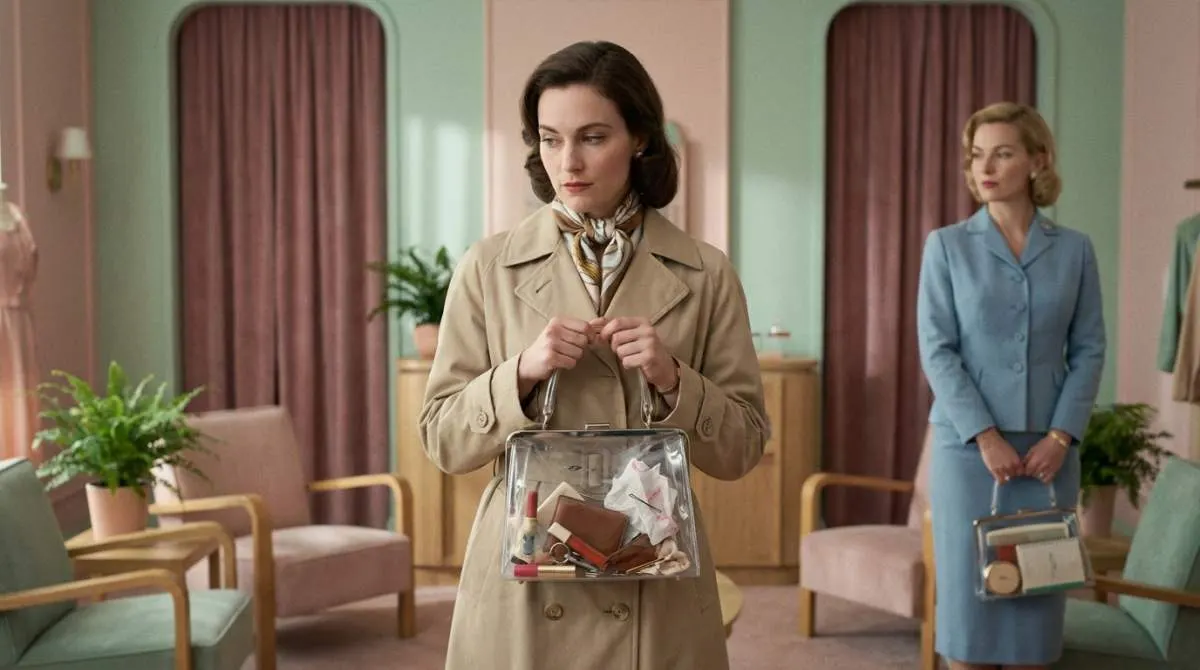
Lucite bags were everywhere in the 1950s, yet they never fit the average woman's life. These transparent handbags became a symbol of the pressure to appear perfect in an era obsessed with domestic order and feminine control. Magazines loved their clean, modern look. But real women knew the horror of a spilled compact, a lipstick smudge, or worse, the telltale stain of a lunch mishap visible through the crystal-clear walls of their purse.
Lucite, a brand name for acrylic plastic developed in the 1930s, offered manufacturers a material that was durable, lightweight, and, crucially, completely transparent. After World War II, when American consumers craved novelty and modernity, clear plastic accessories became a marker of forward-thinking style. The bags came in various shapes: structured boxes with metal frames, rounded pouches, and sculptural forms that looked more like art objects than functional carriers. Some featured embedded decorative elements like rhinestones, flowers, or colored linings visible through the transparent walls. The price tag was steep for the era; a quality Lucite bag could cost between $8 and $20, roughly equivalent to $100 to $250 today, placing them firmly in the luxury category for middle-class shoppers.
The Glossy Prison of Postwar Perfection
The 1950s ideal of womanhood demanded visible evidence of control. A woman's purse was not merely a practical container; it was a public statement of her competence, taste, and moral character. A messy bag suggested a messy mind, a messy home, a messy life. Lucite bags enforced this standard with brutal honesty. Every receipt, every compact, every forgotten piece of gum was on display.

The problem was immediate and unavoidable. Lipstick caps came loose. Powder compacts broke. Fountain pens leaked. Gravy from a lunch date stained the lining. Chocolate melted in summer heat. A woman carrying a Lucite bag had to maintain constant vigilance, checking and rechecking her contents before entering a social situation. The bag became less an accessory and more a test of character, a transparent measure of whether a woman could keep her life in order.
Why Magazines and Films Made Lucite Bags Seem Essential
Fashion magazines and Hollywood studios understood the power of the Lucite bag as a visual metaphor. In photographs and on screen, the transparent bag communicated efficiency, modernity, and aspirational femininity. Advertisements in Vogue,Harper's Bazaar, and Life magazine positioned Lucite bags alongside other markers of the idealized 1950s woman: the perfect coiffure, the tailored dress, the composed smile. The bags appeared in editorials about office work, shopping, and social events, always in the hands of women who looked unruffled and in control.
Films reinforced this messaging. In The Best of Everything(1959), clear purses signaled "polished efficiency" on career women navigating the corporate world. In sitcoms, the bags were often used as comedic tools; a fumbled clasp would scatter one's private clutter, lipstick, coins, receipts, across the floor, highlighting the gap between the ideal and reality. The humor came from the "fatal flaw" of forced perfection, but the message was clear: a woman's ability to maintain a perfect appearance, down to the contents of her bag, was a measure of her worth.
The Role of Department Stores and Fashion Photography
Upscale department store windows featured Lucite bags as hallmarks of "modern" display, often styled alongside Dior's New Look silhouettes and other luxury goods. Fashion photographers like Irving Penn used the bags in editorial spreads, capturing their sculptural quality and the way light played through the transparent material. The bags looked expensive, aspirational, and utterly unattainable for most women, which was precisely the point. They represented a fantasy of perfect order that few could actually maintain.
What These Bags Revealed About 1950s Social Expectations
Beyond their reputation as a "messy woman's nightmare," Lucite bags became powerful cultural symbols that reflected the era's obsession with perfection and control. They were not simply fashion accessories; they were tools of social policing. A woman who carried a Lucite bag was making a public commitment to visible order. She was saying, "Look at me. I have nothing to hide. My life is organized and clean." In a culture that was deeply anxious about women's roles, their ambitions, and their sexuality, the transparent bag offered reassurance: this woman is controllable, visible, accountable.
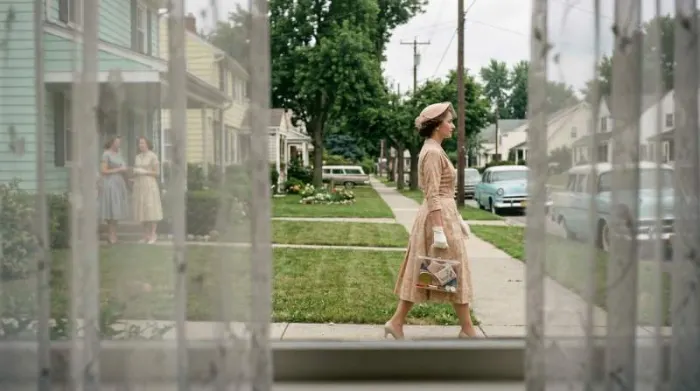
The bags also functioned as class markers. Only women with the money to replace a stained or damaged Lucite bag, or the leisure time to maintain one meticulously, could truly afford to carry one. Working-class women and women of color were largely excluded from this aspirational market, both by price and by the implicit message that only certain women deserved to be seen as "perfect." The Lucite bag, for all its modernity, reinforced existing hierarchies of class and race.
Why the Transparent Bag Style Returned for the Modern Messy Woman
The see-through bag's ghost has returned, not in museums but on our arms. Today we carry clear plastic totes and vinyl backpacks like trophies. Yet they still show every crumb, receipt, and forgotten item. The promise of visibility has become a demand for perfection. We are back in the 1950s, but with better lighting and social media.
The logic of the 1950s survives now in our phones, our homes, and our self-presentation. We live in glass houses, broadcasting our interiors through Instagram feeds and TikTok videos. It is the same compulsion to display control, but now it is digital and constant. The transparent bag was a one-time social risk; today, we curate our entire lives for public consumption.
Modern transparent handbags matter because they renew an ancient social contract. We show what we want to be judged on, hoping to win approval while hiding the flaws. It is a game of perfect surfaces. For women, it demands relentless vigilance. And the penalties for failure are public and permanent.
The irony is thick. We celebrate these bags as icons of 1950s glamour, but they were a nightmare for anyone with a real life. In fact, many women secretly kept a second, hidden leather bag in their car just to stash the real clutter before walking into a luncheon or social event. The Lucite bag was performance; the leather bag was survival.
What Lucite Bags Tell Us About Fashion and Control Today
The return of transparent bags in contemporary fashion is not accidental nostalgia. It reflects an ongoing tension between the desire for authenticity and the demand for perfection. When luxury brands like Bottega Veneta and Mansur Gavriel reissued clear totes in the 2010s, they marketed them as practical and modern. But the subtext remained the same: visibility equals trustworthiness, and order equals worth.
The 1950s Lucite bag was a product of its time, a perfect crystallization of postwar anxieties about women, control, and the performance of femininity. It was beautiful and cruel, aspirational and impossible. And it never really went away. Every time we carry a clear bag, check our appearance in a mirror, or curate our social media presence, we are carrying a Lucite bag. The form changes, but the function remains: the demand that women be visible, controllable, and perfect. This pressure for public perfection was also evident in strict 1950s accessory rules.