The Allure of the Authentic
There's a certain magic to slipping into a piece of clothing that has lived a life before you. Vintage garments whisper stories of different times, offering a level of quality, character, and history that fast fashion simply can't replicate. But integrating a piece from the 1950s or the psychedelic 70s into your 2026 wardrobe requires a deft hand. The line between looking stylishly retro and appearing as if you've stepped off a movie set is finer than you think.
Why Vintage Quality Endures
Clothing from past eras was often built to last. A 1940s wool coat was crafted with the expectation it would be worn for a decade, not just a single season. The fabrics were typically heavier, the tailoring more precise, and small details like unique buttons or hand-stitched embellishments were given real consideration. You can feel this difference the moment you hold a vintage piece, it has a substance and a soul that modern garments often lack.
When Vintage Becomes Costume
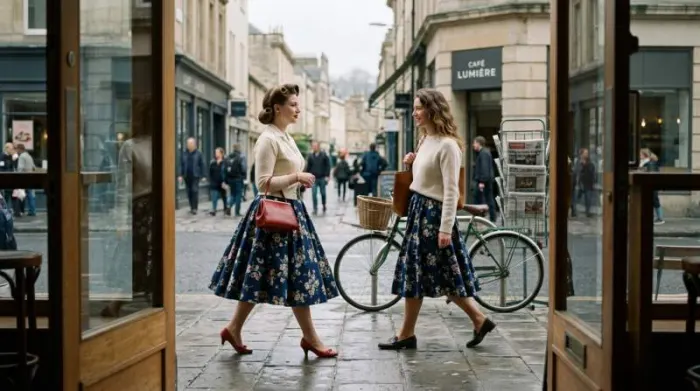
So, what exactly pushes a vintage-inspired outfit into costume territory? It happens when every single element loudly announces the same decade. Imagine a full 1950s ensemble: a circle skirt, a matching cardigan, kitten heels, a structured handbag, victory roll hairstyle, and red lipstick. While charming for a themed party, this head-to-toe look can feel like a performance on a regular Tuesday. It stops being personal style and starts being a recreation. The goal is to honor the past without being a prisoner to it.
Your Secret Weapon: The One Star Piece
The most effective strategy is to build your outfit around one standout vintage item. Let that be the star of the show. Is it the luxurious texture of a 1960s brocade jacket? The sensual drape of a 1930s bias-cut silk slip dress? Or the rugged patina of a 1980s leather bomber? Choose the piece that resonates most with you, then consciously surround it with modern, neutral elements. A vibrant vintage floral midi skirt becomes effortlessly cool when paired with a plain white tee and crisp white sneakers. This contrast is everything.
The Instant Update: Modern Footwear
Never underestimate the power of shoes. They are the fastest, most effective way to pull any vintage look firmly into the present day. Vintage footwear, especially from the mid-20th century, often carries a specific formality: think pointed toes, delicate kitten heels, or ornate T-straps.
Swapping these for a modern style completely changes the vibe. A 1950s fit-and-flare dress sheds any potential stuffiness when worn with minimalist leather sneakers or sleek ankle boots. The modern shoe acts as a visual anchor, signaling that you are thoughtfully dressing for today.
The Non-Negotiable: Tailored Fit
Vintage sizing is a world of its own, often inconsistent and cut for different body ideals and foundational garments. A dress from the 1950s was designed with the structure of girdles and bullet bras in mind, while 1970s pieces embraced a more relaxed, natural silhouette.
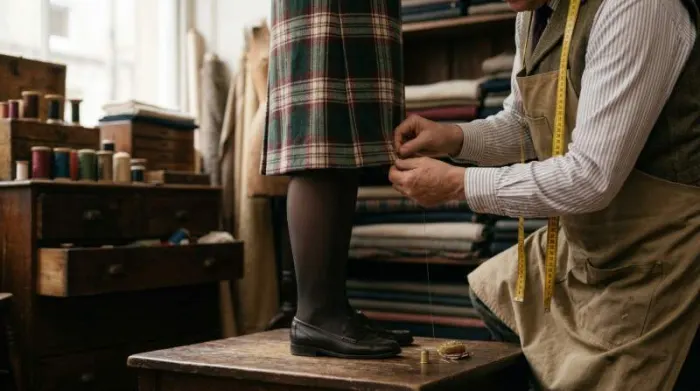
Forget the number on the tag; focus solely on how the garment fits *your* body. A piece that gaps, pulls, or bunches will always look awkward, no matter how beautiful it is. Don't be afraid to visit a tailor. Hemming a skirt, taking in a waist, or shortening sleeves can transform a piece from frumpy to fabulous.
Pay special attention to the shoulders and armholes. These are the most complex areas to alter and they fundamentally dictate how a garment hangs. If they don't fit you well, the piece will never look quite right. A perfect fit here is an absolute must.
Finishing Touches: Hair, Makeup & Accessories
This is where many well-intentioned vintage looks tip over the edge. Period-specific hairstyles like victory rolls or beehives, while iconic, immediately create a full historical picture when paired with vintage clothing.
Instead, opt for simple, modern hairstyles. Think loose waves, a sleek low ponytail, or an effortless messy bun. The contrast between, say, a structured 1940s jacket and undone, natural hair is key.
Apply the same philosophy to makeup. Skip the heavy, matte foundations of decades past. If you want to nod to history, choose just one feature. A classic 1950s red lip looks stunning with otherwise fresh, minimal makeup. A subtle 1960s feline flick of eyeliner can be your sole retro statement. The overall effect should feel natural and current.
Avoid matching vintage jewelry sets, which can feel costume-y. Instead, pair a single statement vintage piece, like a chunky 1980s gold cuff or an art deco brooch, with minimalist modern jewelry. For bags, choose clean-lined, contemporary designs. A structured mini-bag or a geometric leather clutch will perfectly balance a flowy vintage print or a voluminous silhouette.
True vintage style mastery is about creative mixing. It's about playing with contrasts in texture, era, and formality to build an outfit that feels uniquely yours.
Gentle Care for Lasting Treasures
Juxtapose delicate vintage fabrics with rough modern ones. A fragile 1930s lace blouse looks incredibly cool and modern when paired with stiff, high-waisted denim jeans. The contrast between the ethereal and the utilitarian is what makes the look sing.
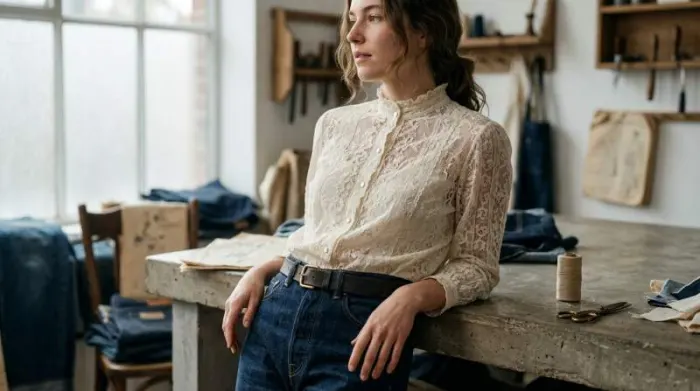
Use modern pieces to pull out and highlight a specific color from your vintage item. If your 1960s dress has a beautiful emerald green detail, pair it with a modern emerald green leather jacket or shoes. This technique visually connects the old with the new through a shared color palette.
Sometimes, the best way to wear vintage is to let it peek out. Try wearing a vintage silk slip as a layering piece under a modern sheer dress, or a delicate lace camisole under an oversized contemporary knit. It adds a touch of history and romance in a very subtle way.
Vintage coats and jackets are often incredible investments. A 1940s wool coat or a 1960s tweed blazer typically boasts superior structure and fabric quality compared to today's fast-fashion alternatives. Because outerwear is inherently structured and often worn over completely modern clothes, it rarely reads as costume, as long as the fit is impeccable.
The Hunt: Sourcing Quality Vintage
Finding great vintage requires patience and a keen eye. Estate sales and thrift stores can yield amazing treasures, but be prepared to sift through racks. Focus on natural fibers like wool, silk, cotton, and linen. Always check seams, zippers, and underarms for stress or damage.
Online vintage shops and curated resale platforms offer more convenience and pre-vetted selections, but at a higher price. When shopping online, rely on the garment's measurements, not the size tag, and don't hesitate to ask sellers for additional photos or details about condition.
These pieces have already survived decades; treat them kindly so they can last for decades more. Dry-clean structured pieces and delicate fabrics like wool and silk, but avoid over-cleaning. Spot clean when possible and air garments out between wears.
Hand-wash delicate knits, cotton blouses, and lingerie in cool water with a mild detergent. Never wring them out; instead, lay them flat to dry on a towel. Store your vintage away from direct sunlight, which fades colors, and use padded hangers for jackets and dresses to maintain their shape.
Why It Matters: More Than Just Clothes
Ultimately, wearing vintage is about more than nostalgia or aesthetics. It's a conscious choice to step away from the disposable fashion cycle. It's about valuing craftsmanship, embracing individuality, and carrying forward a fragment of history in a way that feels personal and new.
Remember the guiding principles: one star piece, modern shoes, a tailored fit, and effortless styling. When you get this balance right, you're not just wearing old clothes. You're building a wardrobe with depth, soul, and authentic character, a style that is genuinely your own.