
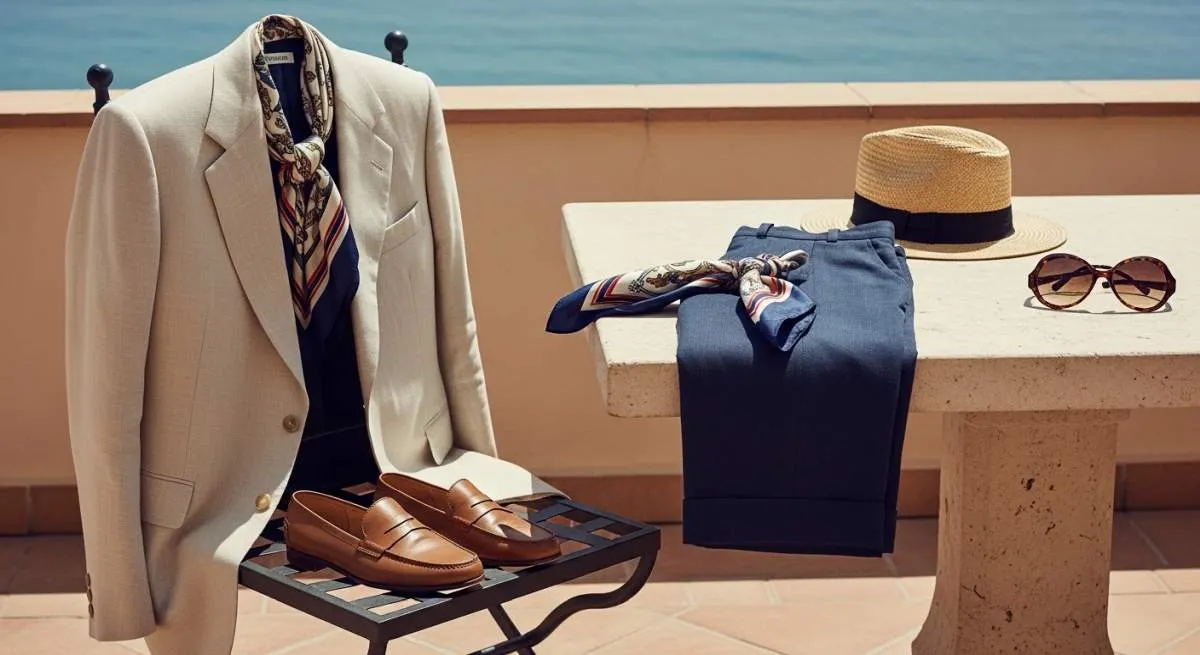
Where the Old Money Aesthetic Really Came From
After World War II, Europe was more than ready to move past rationing and hard times. In 1947, Christian Dior shook up Paris with a completely new silhouette: a tiny waist, a full skirt, and an hourglass shape that took serious craftsmanship to pull off. The fashion world called it the 'New Look,' and almost overnight, it became the uniform of post-war femininity.
But the New Look on its own wasn't enough to define an entire decade. It took the magic of the French Riviera, places like Cannes, Saint-Tropez, and the Côte d'Azur, to turn that precise tailoring into something truly glamorous and aspirational.
By the early 1950s, the Riviera had become the playground for old money families, Hollywood stars, and European royalty. Grace Kelly captured the look perfectly: flawlessly tailored dresses, oversized sunglasses, silk headscarves, and that air of effortless refinement. Her clothes whispered quiet wealth and good taste rather than shouting about it. That restraint and quiet confidence became the heart of the Old Money aesthetic.
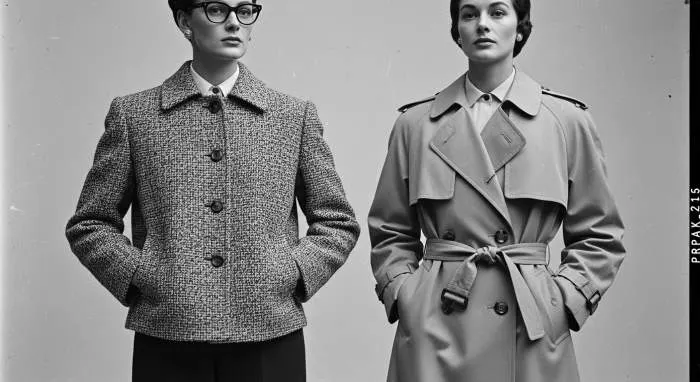
This look was born from a very specific moment. Europe was rebuilding, air travel was becoming a reality for the wealthy, and fashion magazines like Vogue and Harper's Bazaar couldn't get enough images of sun-drenched elegance. The Riviera style spread through photography, movies, and the dreams of women who saw those images and wanted to capture that timeless sophistication for themselves.
The Key Pieces That Define the Silhouette
The 1950s Riviera wardrobe started with a few well-made basics. A perfectly fitted pencil skirt in neutral shades, cream, navy, black, was a must. Paired with crisp cotton blouses, often featuring delicate collars or subtle details, these pieces created the hourglass shape Dior had made iconic.
Fine-knit cardigans were layered over dresses for daytime polish. The fabrics mattered a lot: silk, linen, heavy cotton, and wool blends that held their shape and felt substantial when you touched them.
Tailored blazers and structured coats finished the look. A well-cut coat dress, a single piece that combined a jacket and dress, was a Riviera favorite, usually in neutral colors with minimal fuss. The focus was always on cut and proportion, never on decoration.
Dresses were often sleeveless or short-sleeved, designed to show off sun-kissed skin and delicate jewelry. The silhouette was always feminine but never overdone.
Accessories: Where Old Money Style Really Shines
Accessories are where the 'Old Money' look truly comes together. The first rule is to drop visible logos entirely. You need a structured, top-handle bag, think a mini Kelly or a sleek doctor's bag, and a pair of dramatically oversized cat-eye sunglasses. A silk scarf is absolutely essential; wear it tied around your neck or as a sophisticated headscarf with large gold hoop earrings. Your shoes should be polished and simple: the pointed slingback, a woven espadrille, or a clean, elegant loafer completes the look.
The silk scarf deserves a moment of its own. In the 1950s, it served two purposes: protecting hair from wind and sun, and making a quiet statement of taste. Hermès scarves, with their detailed prints and rich colors, became legendary. A woman might tie one around her neck, drape it over her shoulders, or wrap it around her head like a turban. It was an affordable luxury, a way to show style without spending a fortune on a new dress.
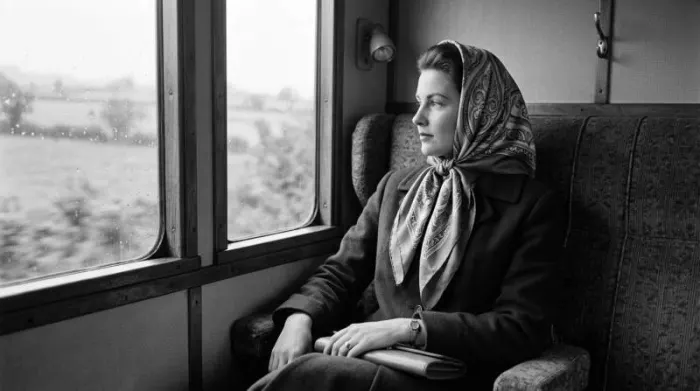
Jewelry was understated but always present. Gold was preferred over silver, and pieces were often inherited or heirloom quality. Pearl earrings, delicate gold bracelets, and simple rings completed the look. A watch, preferably a classic timepiece like a vintage Cartier, was both practical and a subtle sign of status.
Grooming and That Polished Finish
Finally, the look is only complete with the right grooming. Your hair needs to be immaculate, whether it's a sleek low chignon or soft, controlled waves. The 1950s aesthetic demands a polished finish; the glamour lives in the details, so make sure your nails are done and your makeup is clean and classic.
Lipstick was bold but refined, a classic red or coral, while eyes were subtly defined with liner and mascara. The overall effect was one of effort that somehow looked effortless, a true hallmark of Old Money style.
How to Build Your Riviera Wardrobe: Thrift or New?
When you're channeling the 1950s Riviera, the first question is always about where to find the pieces: do you hunt for that elusive true vintage score or go with modern, ethical reproductions? Both paths can lead to that coveted Old Money look, but the journey itself shapes how sustainable your style really is.
Thrifting for authentic 1950s pieces takes dedication and a sharp eye, especially for that structured New Look silhouette. You're looking for quality construction, often heavier fabrics, and details that fast fashion simply won't bother with, like metal zippers and hand-stitched linings. Finding a perfect-condition authentic piece is the fashion equivalent of discovering buried treasure; it's rare, but the payoff is unmatched authenticity.
Focus your thrift hunt on the foundational pieces that define the era: crisp cotton shirting, perfectly tailored pencil skirts, and structured knit cardigans. Pay attention to labels; Union Made tags often mean durable, high-quality garments that have already stood the test of time. Remember, true vintage might need minor repairs, but that's part of honoring its history. Look for pieces from American manufacturers like Pendleton, Catalina, and McGregor, which were known for quality construction and are still sought after today.
If time is short or sizing is a nightmare, modern reproductions offer consistency and a better fit for contemporary bodies. Look for brands that focus on vintage accuracy, prioritizing natural fibers like linen and heavy cotton sateen over cheap, flimsy synthetics. This isn't about buying a costume; it's about investing in timeless silhouettes that are built to last.
Quality Over Quantity: The Sustainable Approach
The beauty of the 1950s aesthetic is how naturally it focuses on quality over quantity, which fits perfectly with modern sustainable values. Whether you choose a vintage wide-brimmed sunhat or a newly tailored bustier dress, make sure the garment's life extends far beyond a single season. Fast fashion attempts at the riviera style dress code often fall flat because they lack the necessary structural integrity and luxurious weight.
Sustainability in this style means making conscious choices, whether that's extending the life of an original garment or supporting ethical production methods. The 1950s woman invested in a few perfect pieces that formed a capsule wardrobe; we need to adopt that same mindset to keep the 'Old Money' vibe truly valuable. Buy less, choose well. This philosophy, investing in fewer, better pieces, is exactly what made the 1950s Riviera look so enduring and why it continues to inspire today's fashion-conscious consumers who reject fast trends in favor of lasting style.
What is the old money aesthetic 1950s
The 1950s Old Money aesthetic was heavily influenced by the 'jet set' lifestyle, a term coined in the early 1950s to describe wealthy travelers who could afford to fly between glamorous destinations like the Riviera and Capri. These socialites often vacationed at iconic hotels like the Hôtel du Cap-Eden-Roc, where their relaxed yet polished style became a global benchmark for understated luxury.