
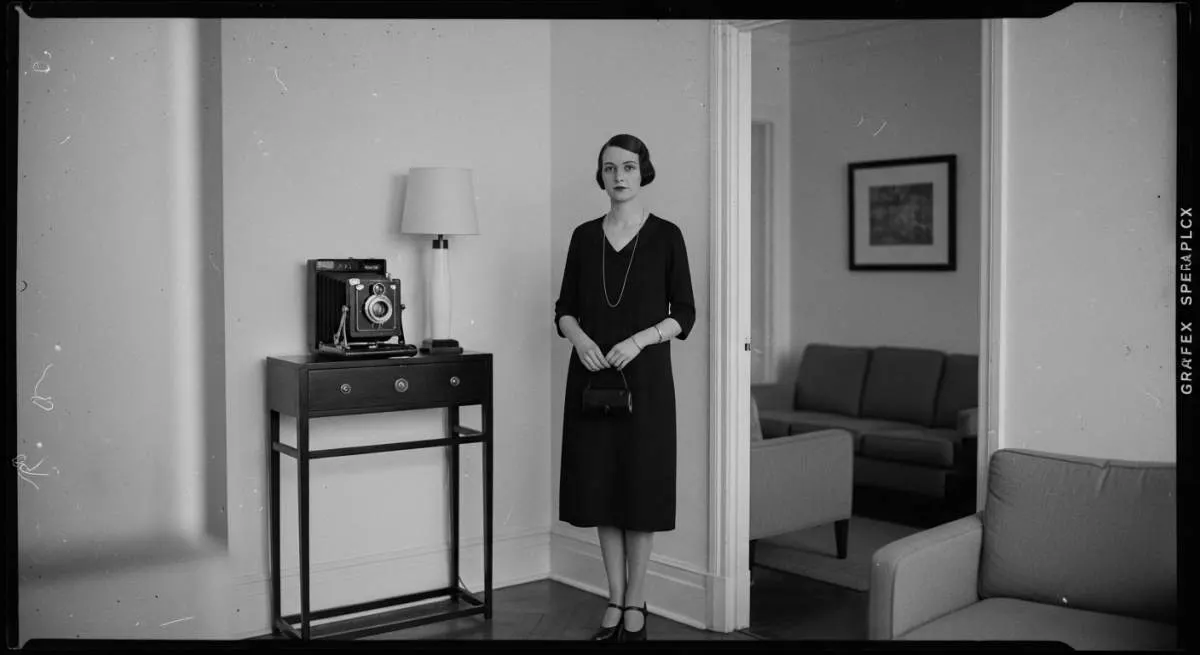
The Little Black Dress: A Century of Chic, Rebellion, and Revival
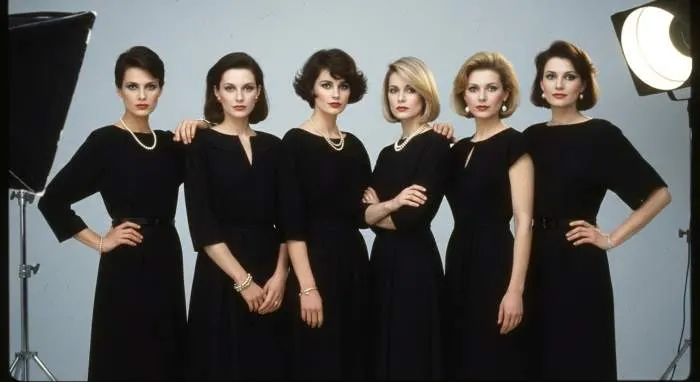
Picture this: a sleek, simple black frock hanging in your closet. It's quiet, unassuming, but you know the truth. It holds more power than a closet full of sequins. The Little Black Dress isn't just a piece of clothing; it's a century-long story of women's liberation, economic savvy, and unshakeable style. We're about to dive into that story, from its scandalous 1920s debut to its 1990s revenge tour.
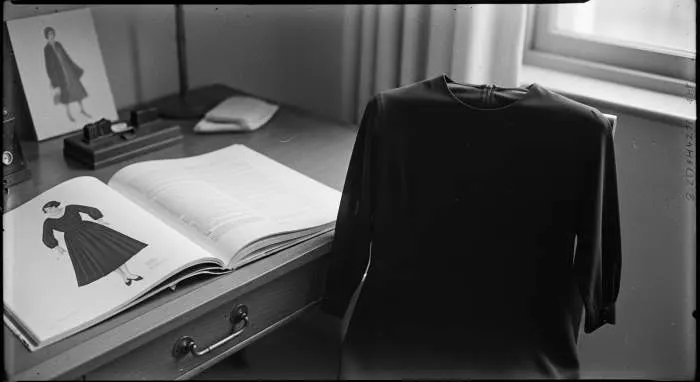
How Coco Chanel's "Ford" Dress Started the Little Black Dress Revolution in 1926
The drawing showed a straight, knee-length dress made of crêpe de Chine. Vogue's editors, with a mix of cheek and prophecy, called it "a sort of uniform for all women of taste." Some say the American editors ran it almost as a joke about mass production, but the joke was on them. That simple dress ignited a fire. Chanel's design was democratic; it was said to cost about a week's wages, making chic accessible.
Chanel didn't just sell a dress; she sold a new identity. Post-World War I, women were working, dancing, and driving. They needed clothes that moved with them, not ornate cages. This black frock was the answer. It was the ultimate tool for the modern woman, a perfect fit for the rebellious spirit of flapper fashion history. As Chanel herself famously said, "I imposed black; it is still going strong today, for black wipes out everything else around."
From Depression Utility to Hollywood Glamour
When the Roaring Twenties crashed into the Great Depression, the LBD's true genius shone. It was no longer just a symbol of liberation; it became a necessity. Versatility was survival. A single black dress could be a daytime office uniform with a white collar, then transform into evening wear with a sparkling brooch and heels.
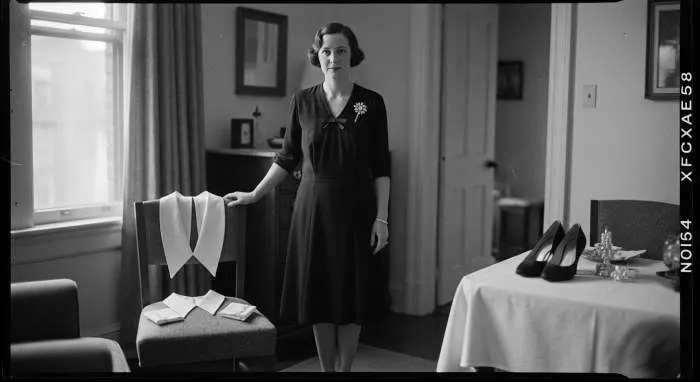
Hollywood seized on this versatile glamour. Stars like Bette Davis and Joan Crawford glided across the screen in sharp, bias-cut black gowns. These dresses were dramatic yet clean, looking expensive even on a studio budget. By the 1940s, with fabric rationed, the LBD's lack of ruffles and gathers made it the ideal, sophisticated choice under strict wartime rules.
The 1950s Shift: Structure, Symbolism, and a New Silhouette
After the war, fashion embraced structure again. Christian Dior's New Look celebrated the cinched waist and full skirt, and the LBD adapted beautifully. It shed its boxy 1920s shape for a defined, feminine hourglass. This era saw the LBD evolve into a symbol of refined, aspirational femininity, signaling a return to formality and control after years of utility.
The Hepburn-Givenchy Icon: "Breakfast at Tiffany's"
If one moment cemented the LBD's iconic status forever, it was 1961. Audrey Hepburn, as Holly Golightly, stepped onto the screen in a long, sweeping black gown, accessorized with oversized sunglasses, pearls, and a tiny tiara. That image didn't just define a character; it defined an entire generation's idea of chic.
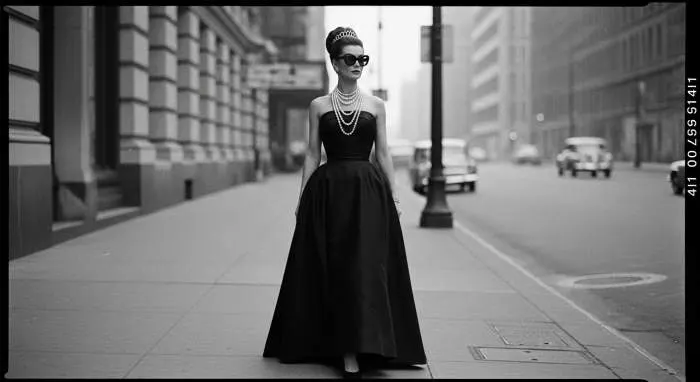
The genius behind the dress was Hubert de Givenchy, Hepburn's long-time collaborator and friend. For anyone wondering, "Audrey Hepburn little black dress designer," the answer is unequivocally Givenchy. The dress was a sheath with a high boat neck and a slight cut-out back. Deceptively simple, utterly unforgettable. This version proved the "little" in Little Black Dress referred to simplicity, not length. It was the perfect foundation for a masterpiece of personal style.
The Mod, Punk, and Power Decades: 1960s, 1970s, and 1980s
The 1960s gave the LBD a playful, youthful twist. Thanks to designers like Mary Quant, the mini LBD became the uniform for the Mod movement. Paired with white go-go boots, it was fun, geometric, and irreverent. The 1970s saw it slink into the disco era, made from shiny synthetics with plunging necklines for nights of dancing.
Then came the 1980s, the decade of power dressing. The LBD grew shoulders, literally. It gained pads, turning into a confident, architectural statement piece ready for the boardroom. Designers like Donna Karan built entire working wardrobes around it in collections like "Seven Easy Pieces," proving its unbeatable versatility as the core of a professional woman's closet.
The 1990s: Minimalism and the Ultimate "Revenge Dress"
The 1990s brought a slick, minimalist revival. Think Calvin Klein's simple slip dresses in matte jersey, effortless, body-conscious cool. But the most legendary LBD moment of the decade belonged to Princess Diana. In 1994, on the night Prince Charles admitted to infidelity on TV, Diana stepped out in an off-the-shoulder, form-fitting black silk chiffon dress by Christina Stambolian.
The press instantly dubbed it the "Revenge Dress." It was daring, dramatic, and utterly defiant. It proved the LBD could be the ultimate weapon, a silent, powerful statement of confidence and moving on. It was a fashion mic drop heard around the world, showing that the dress could channel raw personal power as easily as it could channel chic.
Choosing Your Modern LBD: Fabric is Everything
Today, the LBD comes in every silhouette imaginable. To find one that lasts and looks expensive, the secret is in the fabric. If you're asking, "Best fabric for a little black dress," focus on materials with good drape and durability. Silk crêpe or matte jersey resists wrinkles and moves beautifully, perfect for travel. For a tailored, 1950s-inspired structure, wool crêpe or gabardine holds a sharp shape. For casual summer versions, seek high-quality cotton or linen blends with a bit of weight to avoid a cheap look.
I remember hunting flea markets for that perfect vintage wool crêpe number; the feel of a quality fabric instantly elevates the simplest cut. The right material turns a dress from a basic into a bedrock piece you'll reach for for years.
Styling Secrets: The LBD as Your Style Chameleon
The real magic of the LBD is its transformational power. The same dress can look completely different with a few strategic changes. For the office, layer a crisp white button-down under a sleeveless sheath. Add a brightly colored blazer and pointed flats for smart, preppy polish.
For cocktail hour, bring the drama. Swap the blazer for a sequined jacket or faux fur stole. Add statement earrings, big, sparkly clip-ons have a wonderfully retro vibe, sheer tights, pumps, and a bold red lip. The black canvas makes every accessory pop.
A common question is: How to style a little black dress for a wedding? The goal is to avoid looking severe. Choose a softer silhouette, like an A-line or a dress in chiffon or lace. Accessorize heavily with metallics, silver or rose gold shoes and a clutch. Drape a pastel wrap or shawl in blush pink or pale blue over your shoulders; this instantly softens the black and makes it celebration-appropriate. Finish with soft curls and dewy makeup to keep the look warm and inviting.
Enduring Symbol: Simplicity, Confidence, and Independence
From Chanel's practical blueprint to Diana's defiant statement, the Little Black Dress has woven itself into the fabric of 20th-century history. It symbolizes female independence and rebellion, a subtle protest against the idea that a woman's worth is displayed through ornate decoration or obvious wealth. It's the sartorial equivalent of a blank page, waiting for each wearer to write her own story.
It is the ultimate equalizer and the perfect backdrop. It guarantees you'll never feel underdressed. The LBD endures because, at its core, it's not about the dress. It's about the confidence of the woman wearing it. If your closet doesn't have one that makes you feel that way, consider the hunt part of the fun. The story of the Little Black Dress is still being written, and you get to be part of it.