The Roaring Twenties: Unpacking Flapper Smoking & Drinking

More Than Just a Party: Why Flappers Lit Up & Drank Up

Okay, so picture this: it's the 1920s. The air is thick with jazz, secrets, and a hint of illicit gin. And there she is. Hair bobbed short, dress scandalously above the ankle, maybe even showing a knee. But it's not just the look that grabs you, right? It's the cigarette. 

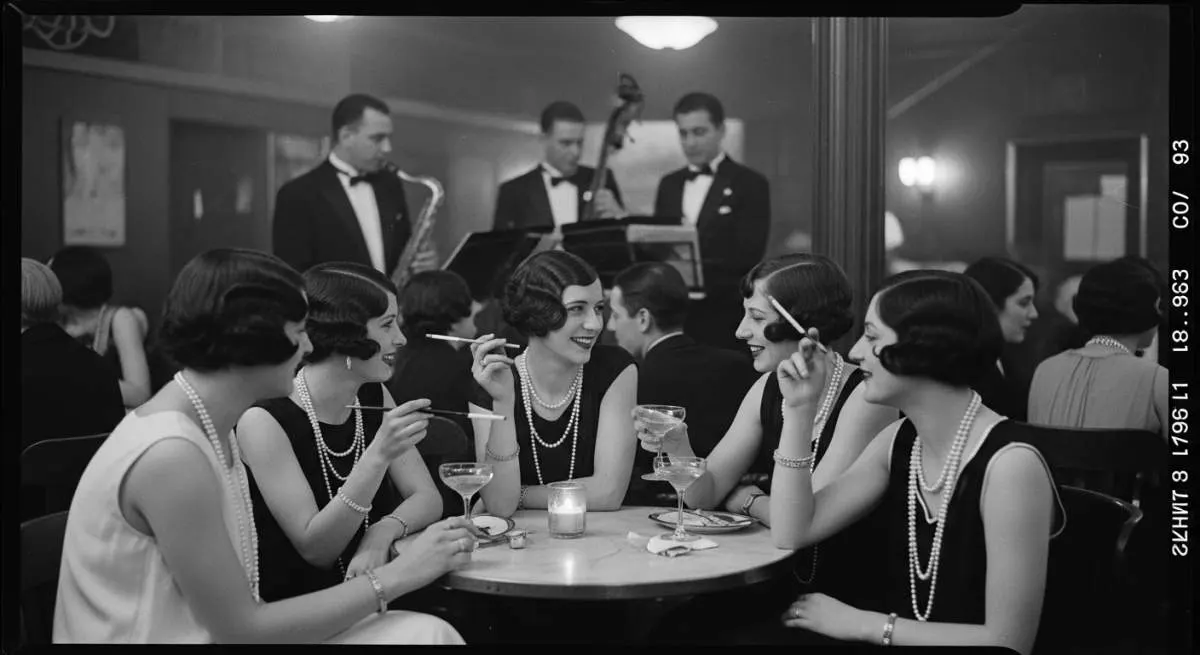
Casually held, exhaled with a defiant puff. And that glass in her hand? Probably not lemonade. These women, the infamous flappers, were doing things that would have made their grandmothers faint dead away. Smoking in public? Drinking hooch like it was sparkling water? Scandalous!

For decades, women were told to be demure, to be quiet, to be... well, basically invisible outside the home. Then the Great War happened, and everything shifted. Women had stepped up, worked jobs, tasted independence. And they weren't about to go back into the box. 

So, when the 1920s rolled around, it wasn't just skirts that got shorter. Social rules began to fray at the edges, and the flapper was right there, snipping away.

Think about it: the very act of smoking in public, something considered utterly vulgar for a 'lady' just years before. It wasn't just an addiction; it was a statement. A defiant "I can do what men do, and I will" attitude. It was about controlling their own bodies, their own choices. No more corsets, no more chaperones, and certainly no more waiting for permission to light up a Lucky Strike. This new freedom was intoxicating.

And then there's the drinking. The whole country was under Prohibition, right? Alcohol was illegal. Yet, speakeasies boomed, and who was front and center, sipping bathtub gin and dancing the Charleston? Our flappers. Was it just a thrill of breaking the law? 

Absolutely, a bit of that adrenaline fueled it. But it was also a profound act of defiance against a paternalistic government telling adults what they could and couldn't consume. For these women, particularly, it felt like a double whammy: being told what to do by society and by the law. So, they pushed back. Hard.

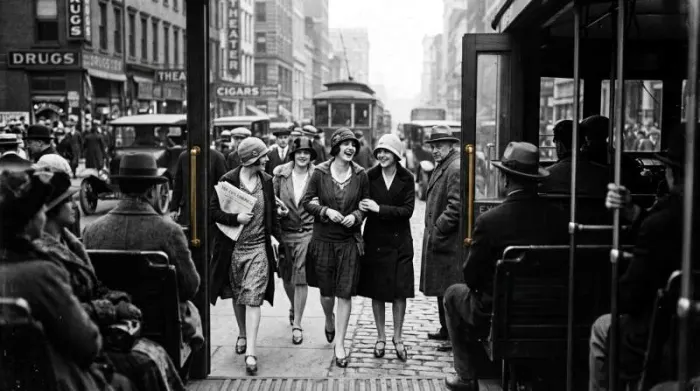
1920s Flappers Prohibition Defiance Street

It wasn't just about getting tipsy or looking cool, though those were definitely perks. It was a visible, often scandalous, rejection of the rigid expectations that had boxed women in for generations. It was about carving out a new space for themselves, where their desires, their pleasure, and their autonomy actually mattered. 

So, was flapper drinking public rebellion or freedom? And what was the real reason flappers broke social rules and embraced new habits like smoking? Stick around, because we're diving deep into why these trailblazing women decided to light up, drink up, and challenge everything. You can learn more about the broader movement of flappers here: Source.

Blowing Smoke and Breaking Molds: The Early Days of Flapper Daring

You know, when we picture the Roaring Twenties, we often think of glamorous flappers, bobbed hair, and jazz music blaring from hidden speakeasies. It’s easy to romanticize, but there was a serious undercurrent to all that fun. While F. Scott Fitzgerald was busy capturing the era's excess and disillusionment with the publication of The Great Gatsby in 1925, young women were actually rewriting the rulebook, one cigarette puff and forbidden cocktail at a time. This wasn't just about looking cool; it was a profound shift in what society expected from women, and they were ready to shake things up.

Smashing the Silent Rules

Before the 1920s hit, women were largely expected to be demure, domestic, and certainly not seen in public doing anything considered "unladylike." Their dresses were long, their hair was up, and their voices were, ideally, quiet. Then came the flapper, a stark contrast to everything that came before. Suddenly, skirts were short, hair was bobbed, and attitudes were decidedly bolder. 

So, why did flappers smoke in the 1920s? It wasn’t just a fashion accessory. It was a visible, undeniable act of rebellion against those old, restrictive norms. Smoking in public, something exclusively for men until then, became a powerful statement. It screamed, "I'm independent. I make my own choices." It was about reclaiming their space and their bodies in a society that had long dictated their every move.

Prohibition's Unintended Push

Now, let's talk about drinking. The 1920s were, ironically, the era of Prohibition in America. Alcohol was illegal. But did that stop anyone? Absolutely not. In fact, it arguably made drinking even more enticing, especially for flappers. 

Hidden speakeasies popped up everywhere, creating clandestine spaces where men and women could mingle freely, away from the judgmental eyes of society. So, was flapper drinking public rebellion or freedom? It was definitely a potent mix of both. Defying the law by sipping a gin fizz in a dimly lit club felt like a direct challenge to authority, a form of public rebellion against the government's attempt to control personal habits. 

But it also felt like freedom – the freedom to socialize, to dance, and to enjoy pleasures previously reserved for men or done in strict private. The flappers and Prohibition era drinking habits went hand-in-hand, creating a culture of shared transgression and liberation.

More Than Just a Puff: A Statement of Self

Ultimately, the real reason flappers broke social rules, whether through smoking, drinking, dancing wildly, or wearing scandalous clothes, was a desire for autonomy and self-expression. 

They were pushing back against generations of limitations, fueled by movements like women's suffrage, which had finally granted them the right to vote. This generation wanted to own their lives, make their own decisions, and explore their identities beyond the confines of marriage and motherhood. The public act of smoking, for instance, offered a sense of control and sophistication, something previously denied to women. 

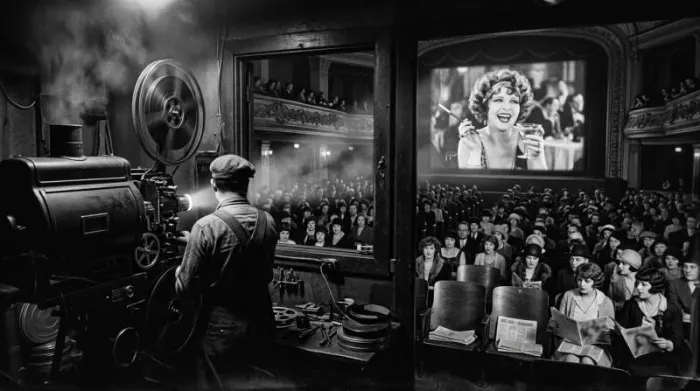
1920s Womens Suffrage Modern Independence Scene

You could say it represented a kind of Chanel smoking freedom – an embracing of modern style combined with personal liberty. It wasn't just about superficial fun; it was about carving out a new space for women in the modern world, making choices for themselves and living life on their own terms. It was a declaration: "We are here, we are visible, and we are not going back." For a deeper dive into the flapper phenomenon, you can check out this Source.

The Roar that Echoed: Flappers and Lasting Change

You know, it’s easy to look back at flappers and just see the short skirts and dance moves. But honestly, their impact on society was way bigger than just a fashion trend. These women were catalysts, plain and simple, shaking up rigid social norms and helping to redefine what it meant to be a woman in America. Their choices, especially the ones that seemed so scandalous back then, carved out new paths for generations to come.

Breaking Chains, Not Just Rules

Let’s talk about the smoking and drinking. Why did flappers smoke in the 1920s, and was flapper drinking public rebellion or freedom? It was both, absolutely. For decades, women were supposed to be dainty, demure, and certainly not seen with a cigarette or a cocktail in public. Those were "men's vices." 

So when a flapper confidently lit up a cigarette, often with a long, elegant holder, she wasn't just having a puff. She was performing an act of defiance. It was a clear, visible rejection of the idea that women should be sheltered and controlled.

The same goes for drinking, especially during Prohibition. Flappers and Prohibition era drinking habits were intertwined with breaking the law, yes, but also breaking gendered expectations. Women going to speakeasies, drinking alongside men, and participating in the illicit nightlife wasn't just about getting a buzz. It was a declaration of autonomy. 

They were saying, "We have the right to our own pleasures, our own decisions, and our own space, free from your Victorian-era restrictions." This was a significant step toward women's liberation, creating public visibility for women in social settings previously dominated by men.

A New Image of Womanhood

The real reason flappers broke social rules wasn't just for shock value. It was a conscious push for independence. After women won the right to vote in 1920, there was this surge of energy. Flappers were the visual manifestation of that new freedom. They wanted to be seen as equals, as individuals, not just wives or mothers. 

1920s Flappers Post Suffrage Independence Street

They challenged chaperone systems, dated casually, and pursued careers. These 1920s flapper women's liberation reasons were about more than just personal enjoyment; they were about claiming space in a rapidly changing world.

The cultural impact of flapper culture on hairstyles was huge, for example. The bob cut, short and sharp, was a total departure from the long, elaborate coiffures of the past. It was practical, modern, and symbolic of cutting ties with tradition. You can see how profound these shifts were just by looking at the images of women from before and after the Roaring Twenties.

  • Redefined public behavior: Flappers normalized women's presence in previously male-dominated spaces like bars and dance halls.
  • Challenged gender roles: They pushed against the notion of female fragility and submission.
  • Influenced fashion and beauty: From short skirts to visible makeup, their style became synonymous with modernity and self-expression.
  • Paved the way for future movements: Their bold actions laid groundwork for later feminist movements by questioning societal norms.

Ultimately, the flapper era left an indelible mark. It wasn't just a fleeting moment of hedonism; it was a period where women actively, visibly, and often joyfully, asserted their right to self-determination. They showed the world that women were complex, capable, and certainly not afraid to light their own cigarettes and chart their own course. It was a vital cultural moment that truly helped kick off the modern age for women. For a deeper look into how women's roles transformed in this period, you can check out this article on Women in the 1920s.

Bringing That Flapper Fierceness into Your Modern Wardrobe

Okay, so we’ve talked about why flappers did what they did – how it was all about carving out new freedoms, pushing boundaries, and just generally shaking things up for women. It wasn't just about a dress or a haircut; it was about an attitude, a declaration. These women weren't just following trends; they were setting them, challenging the old guard, and proving that women could be just as bold, independent, and visible as men. They basically paved the way for so much of what we consider modern women's liberation.

Think about it: they stepped out, often with a cigarette in hand and a cocktail glass nearby, during Prohibition. That wasn't just a party; it was a defiant statement. They weren't asking permission; they were just doing. And you know what? That spirit is still super relevant. 

We might not be fighting for the right to smoke in public or drink illegally, but that feeling of confident self-expression, of owning your style and your choices, that’s timeless. So, how do we take that incredible 1920s vibe and make it feel fresh and authentically you today? It's not about being a costume; it's about capturing that unapologetic energy.

Here are some ways to infuse that flapper flair into your look without looking like you’re headed to a themed party:

  • The Silhouette: Look for shift dresses or styles with a dropped waist. They’re super comfortable and give that classic, relaxed flapper shape. You can find modern versions in silks, satins, or even jersey for a more casual feel.
  • Subtle Sparkle & Shine: Forget head-to-toe fringe unless it’s a special occasion. Instead, think about small details. Maybe a dress with some delicate beadwork on the neckline, a sequined clutch, or some art deco-inspired earrings. It’s about glamour, not glitter bombing.
  • Hair & Headwear: A sleek bob is iconic, but you don't need to cut your hair! Try a faux bob or just style your hair in soft waves. For accessories, swap out a full feathered headpiece for a chic embellished headband or a delicate hair clip with vintage flair. A simple velvet ribbon can also do wonders.
  • Pearls & Layers: Long pearl necklaces were a flapper staple. Layer them up, or opt for a single, long strand. Don't be afraid to mix them with modern chains or pendants. Art deco jewelry pieces are also fantastic for adding that specific era's geometric elegance. (Source)
  • Footwear: T-strap heels and Mary Janes are pure 1920s. Luckily, these styles are often in fashion today and can look incredibly chic with dresses, skirts, or even tailored trousers. Look for options with a comfortable block heel for modern wearability.
  • The Right Attitude: This is probably the most important part. Flappers were confident, playful, and had a definite edge. Carry yourself with that same sense of self-assurance. It’s about embracing your freedom and expressing who you are, boldly and beautifully.

When you style pieces inspired by the flapper era, remember it's not about strict replication. It’s about taking those elements of liberation and self-expression – the very reasons flappers broke social rules and challenged expectations, whether through their public drinking habits during Prohibition or their new smoking freedom – and making them work for your own contemporary narrative. 

You’re weaving a bit of that rebellious spirit, that fierce independence of 1920s flapper women, into your everyday look. It's about feeling empowered, looking sharp, and celebrating the long history of women who dared to define themselves on their own terms. It’s your look, your freedom, your rules.

1920s Flapper Inspired Modern Street Confidence

The Roar That Still Resonates

When we look back at the 1920s flappers, it's easy to see them as a fun, frivolous phase. But that's missing the point entirely. These women weren't just a fleeting fad; they were a seismic shift, paving the way for modern women's liberation. Their defiant habits—like smoking in public or enjoying a cocktail during Prohibition—weren't just about indulging in vice. They were deliberate, visible declarations.

Think about it: why did flappers smoke in the 1920s? It was a direct challenge to the Victorian era's suffocating expectations of female propriety. Lighting up a cigarette wasn't just inhaling nicotine; it was exhaling generations of restrictive social rules. 

Was flapper drinking public rebellion or freedom? Absolutely both. Siding up to a bar, glass in hand, was a powerful act of defiance against a hypocritical law and against the long-held notion that "respectable" women didn't partake. It was a bold claim to personal autonomy, a demand for the same freedoms men enjoyed.

The real reason flappers broke social rules, from their bobbed hair to their casual drinking habits, boiled down to one thing: a fervent desire for independence. Fresh off winning the right to vote, 1920s flapper women's liberation reasons ran deep. They craved equality, not just politically, but socially, economically. Their choice to flout traditional norms and challenge Prohibition era drinking habits made it clear they wouldn't be confined to old molds. 

They showed the world that women could be vibrant, outspoken, and self-directed. Their legacy isn't just in the short skirts and jazz music; it's in the shattered expectations and the enduring spirit of female independence that continues to echo today. They remind us that sometimes, true freedom starts with a little bit of public defiance. Want to dive deeper into the broader context of women's rights during this period? Check out this Source.