- The Era:Late 1980s, when jelly bracelets were a mall trend.
- The Illusion:Each color supposedly signaled a specific sexual act.
- The Reality:Bracelets were innocent silicone loops with no built-in code.
- Modern Echo:The rumor persisted in 90s teen magazines and horror films.
The Urban Legend That Got Jelly Bracelets Banned
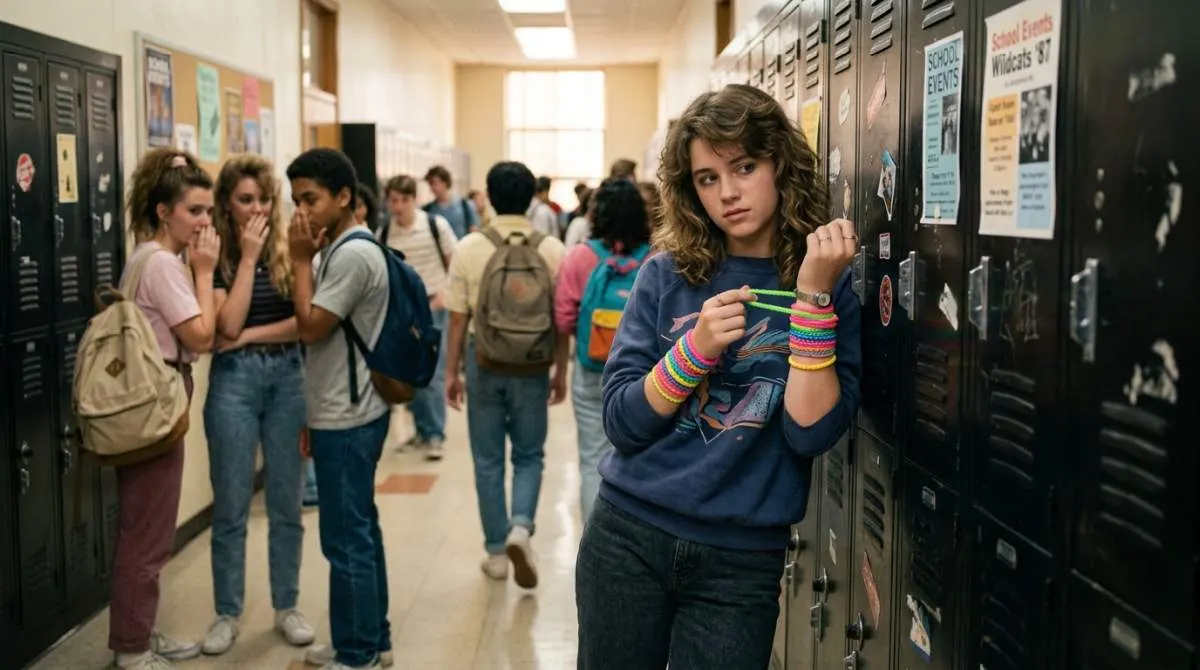
I still remember seeing the sex bracelet panic treated like a joke in a dusty secondhand shop, and it felt unfair even then. It was 1987, and the mall was our cathedral. We wore acid-wash denim and slapped on jelly bracelets by the dozen. They were cheap, cheerful, and they clicked together like a secret language. Then someone whispered that each color meant a sex act. A yellow bracelet meant a hug. A black one meant something far more adult. The rumor spread faster than a bad perm at the school dance.
The rumor had no source, but it had momentum, fueled by school dress code debates and a growing moral panic over teen sexuality. Kids were told that snapping a bracelet off someone's wrist meant you owed them a favor. It was a game, but adults saw a conspiracy.
And it wasn't just bracelets. The same panic hit other trends too. Around that time, people asked if were crop tops banned in schools for the same reason.

But the vibe wasn't all fear. It was neon, it was loud, and it was defiant. Kids kept wearing the bracelets anyway, hidden under long sleeves or swapped in secret. The panic only made them more desirable. That's the irony. The more adults tried to shut it down, the more we wanted to click and clack our way through the hallways. The jelly bracelet was a tiny rebellion, and we wore it with pride.
The Secret Code Behind the Jelly Bracelet Panic
The bracelets had no built-in mechanism. No secret clasp or hidden message. The design was just a loop of silicone or rubber. Kids bought them for their bright colors and cheap price. But the rumor gave each shade a loaded meaning. Breaking a bracelet off a friend's wrist meant you 'accepted' the act. Giving one meant you offered it. This was a pure social invention.
The Invented Color Code: How a Wristband Became a Sex Signal
By 1986, the rumor had hit national papers. Jelly bracelet color code meanings became a whispered question in every household. The panic fed on itself. The more adults tried to stop it, the more kids wanted the bracelets. It was a perfect storm of moral fear and teenage rebellion. The 1940s midriff panic had a similar hysteria, but the 80s version hit harder with kids as young as ten.
The jelly bracelet panic died down in schools by the early 90s. But pop culture kept the rumor alive like a bad penny. The story was just too strange to bury. A harmless accessory turned into a secret code. Parents wanted to believe it, so they did. The media was happy to keep feeding that fire.
The panic got a second wind when 90s teen magazines picked it up. YM and Sassy ran blurbs about the 'dangerous' trend. They warned readers not to wear too many bracelets at once. They treated it like a real threat. It was absurd, yet the magazines sold like hotcakes. The rumor became a piece of shared teen history, passed down like a ghost story at summer camp.
Why the Panic Exploded So Fast
So the jewelry was banned from schools, but punks and rockers adopted it anyway. They wore the bracelets not for sex, but for defiance. It was a simple rebellion against the pearl-clutching adults. The look became part of the whole 80s power shoulders aesthetic, but on a smaller scale. A girl wearing a stack of neon bangles was making a statement. She was saying she didn't care about your rules.
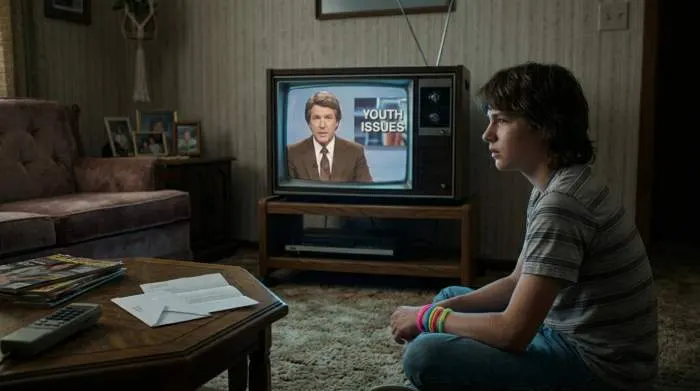
TV shows started using the rumor as a quick character shorthand. A 'troubled' teen on a family sitcom might wear a stack of brightly colored bracelets. The audience knew what it meant. It was a wink. The panic had become a code for 'this kid is trouble.' It was lazy writing, but it worked. The rumor became a durable plot device for a whole decade.
The Lasting Legacy of the Jelly Bracelet Myth
You would think the jelly bracelet died with the Walkman. Yet it is back on teenage wrists. A girl in Brooklyn wore five of them, bright neon green and hot pink, stacked like armor. It was not a fashion statement. It was a deliberate, knowing wink to a panic she never lived through. That is the real modern revival.
The new wave is not about sex. It is about irony. Gen Z loves a taboo with a timestamp, and the jelly bracelet is pure, condensed hysteria in plastic form. Wearing one today signals you know the story, are in on the joke, and find the moral panic hilarious. It is a tiny rebellion against the very idea of panic itself. It is a way to own a piece of suburban legend without any of the risk.
The original panic moved by word of mouth and PTA newsletters. Now it moves by algorithm. Search for what did the jelly bracelet colors mean in the 80s, and you will find thousands of videos. Teenagers film themselves explaining the code with a straight face, then break into laughter. They are not scared. They are fascinated by how scared their grandparents were. They are wearing the bracelets as a direct result of that fascination.
The revival is not about shopping. You can buy a bag of fifty for five dollars at a dollar store. It is about the story attached to each snap. The logic of the panic survives in the way we still love to assign secret meanings to harmless objects. Every trend today has a hidden code, a rumor, a whispered warning. The jelly bracelet is just the original prototype for that kind of collective fear.

Then it got stranger. Some parents, the ones who grew up with the panic, are now forbidding their own kids from wearing them. The cycle repeats. A mom in a Facebook group wrote that her daughter's school sent home a note about the bracelets. She was furious. But her daughter was thrilled. The taboo had been passed down like a cursed heirloom. The panic is not dead. It is just wearing a new shade of neon.
The emotional effect is the same as it ever was. The bracelet still carries the weight of a secret, even if that secret is a joke. Wearing one today is a small act of cultural archaeology. You are not just accessorizing. You are referencing a rumor that once shut down school districts. You are wearing a piece of urban legend on your wrist, and you are daring anyone to ask what it means. That is the real modern echo, a conversation starter with a history of hysteria behind it.
It was a wink. The panic had become a code for "this kid is trouble." 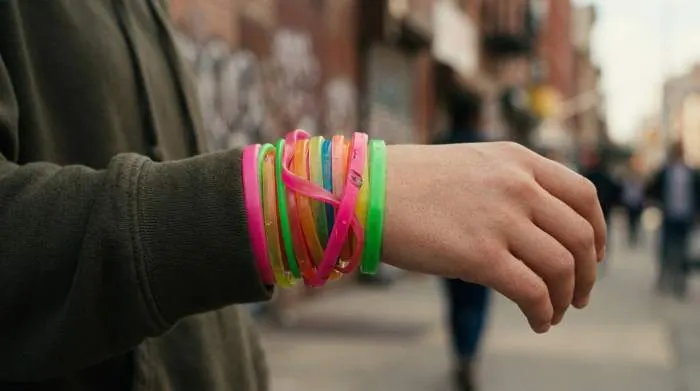
- Teen magazines: They published "scared straight" articles with color charts and dire warnings.
- Music videos: Artists layered bracelets to look edgy, and the rumor followed.
- After-school specials: A 1987 TV movie used the bracelet code as a plot point.
- Direct-to-video horror: A cheap slasher used the bracelets as a murder clue.
- Word of mouth: The rumor got passed down like family lore through the 90s.