
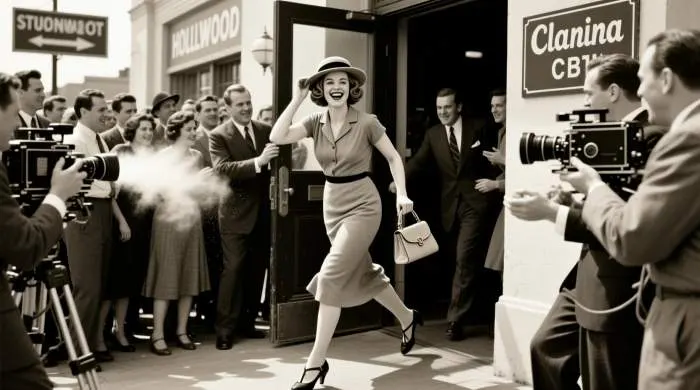
Crimson Lips and Clipped Locks: The Scandalous Reign of the 'It' Girl
Here's how to channel that quintessential Bow boldness without looking like you time traveled from a speakeasy: It's not about recreating the roaring twenties, it's about channeling that audacious energy into your own narrative. Pick your poison: the smoky eye, the fringed skirt, the sheer unapologetic confidence, and make it sing your song.
That's the enduring power of Clara Bow's "It": it was never just about what she wore, it was how she wore it. Her look was a direct rebellion against the restrictive corsets and long, pinned-up hair of the previous generation, and it gave women a visual language for their newfound freedom.
The classic flapper bob was sharp, often with finger waves glued into submission. Today, we soften it. Think a sleek, chin length bob with a deep side part, perhaps a subtle, natural wave, or even a faux bob created by tucking longer hair under. It's less about architectural precision and more about the playful, liberated swing. A chic velvet headband for evening can be a nod without being a caricature.
Clara Bow's eyes were famously dramatic: kohl lined, smoky, almost smudged. For a modern take, ditch the harsh lines. Instead, go for a diffused, smoky effect with deep browns, charcoals, or even a deep plum. Focus the intensity at the lash line and smudge outwards. Finish with a generous coat of mascara. It's about creating that intense gaze, not just a black eye.
Her painted Cupid's Bow lips were a hallmark of defiance. Today, a subtly defined Cupid's Bow using a berry stain or a matte red lipstick can be incredibly impactful. The key is definition, not over drawing. Alternatively, a glossy, dark red lip balm gives a similar sultry effect with less commitment.
The authentic drop waist dress isn't flattering on every body, let's be frank. Instead, look for contemporary dresses that skim the body with a looser fit, or bias cut slips. Embrace fabrics with subtle shimmer, fringe details on a skirt or jacket, or intricate beading. It's about movement and light, not a rigid structure. A sequined camisole or a jacket with art deco embellishments can inject that necessary sparkle.
Long pearl necklaces were ubiquitous, as were intricate headbands. For now, choose one statement piece. A single strand of pearls, or a contemporary pendant with art deco lines. A small, embellished clutch can capture the era's opulence. And remember, the real accessory is confidence; wear everything like you own the room.
The Living Spirit of the 'It' Girl
She wasn't just an actress; she was the living, breathing, utterly scandalous avatar of an era. She took the whispers of rebellion and roared them from every silver screen, making it impossible to ignore. Bow didn't just wear the flapper aesthetic; she infused it with a brazen attitude that redefined what a woman could be. In an industry that often polished its stars into perfect, untouchable dolls, Clara Bow was gloriously imperfect, her Brooklyn accent was thick, her energy was frenetic, and her personal life was the subject of endless gossip. Yet, or perhaps because of this, she became the ultimate symbol of the modern girl.
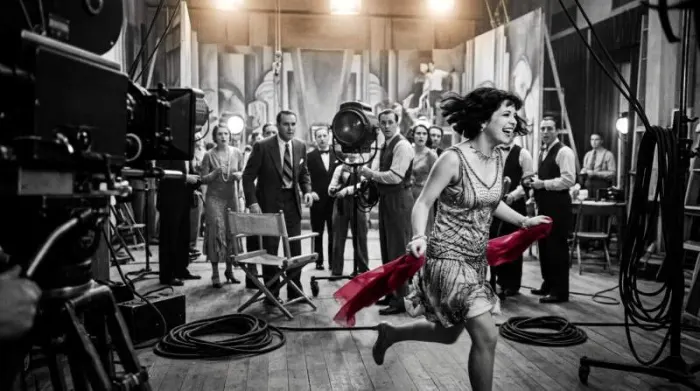
Her legacy isn't some dusty museum piece. It's a recurring tremor in fashion, a wink to every "It Girl" who dares to rewrite the rules. Think about it: every time a starlet chops her locks into a sharp bob, or embraces a smudged, defiant gaze, a bit of Clara Bow energy flickers. You can see her spirit in the raw charisma of 90s grunge icons and in the unapologetic sensuality of modern pop stars. She proved that star power could come from authenticity, even when that authenticity was messy and loud.
She taught us that true style isn't about chasing trends; it's about having the audacious nerve. It's about that slightly disheveled glamour, that knowing glance that says, "I'm here, I'm fabulous, and I don't give a damn what you think." She obliterated the prim, proper ideals of womanhood with a laugh and a cigarette holder. She made wildness chic, unpolished attractive, and genuine vivacity utterly irresistible. This wasn't just a performance; it was a philosophy. For Bow, fashion was an extension of personality, not a mask to hide behind.
That raw, untamed spirit, that fearless embrace of self-expression? That's her real, enduring gift to us, and to fashion. We're still chasing that exhilarating sense of freedom, that primal allure. It's the feeling you get when you wear something that makes you feel powerful and completely yourself, not what someone else expects you to be. In many ways, the search for Clara Bow the actress is really a search for that specific, electric confidence she projected so effortlessly.
You can try to replicate the hair, the makeup, but you can't fake the sheer, unadulterated nerve. Clara had it, still has it, and she set the damn benchmark for breaking every single mold that ever dared to try and contain her. Her influence is a reminder that the most iconic styles are born from a person, not just a pattern. They are acts of defiance that become blueprints for liberation.
Bow's influence extends beyond the 1920s. Her fearless approach to fashion and self-expression continues to inspire modern style icons. For more on the rebellious spirit that defined her era, explore our article on Flappers Smoked & Drank: 1920s Rebellion or Freedom?.
To understand the origins of the dramatic, kohl-rimmed eyes that became a flapper signature, learn about Eyeliner by Tut: How a Tomb Sparked Flapper Gold & Glam. The flapper phenomenon was a complex cultural shift, and for another perspective on its style and substance, you can read The Real Story of Flappers: Bob Cuts, Jazz, and Freedom!
How Clara Bow Defined 1920s Flapper Fashion
When readers search for flapper Clara Bow, Clara Bow style, or "Clara Bow flapper 1920s," they are usually looking for the exact combination of bobbed hair, youthful makeup, a dropped waist, and the confident attitude that made her screen image so influential. Clara Bow's flapper fashion made her a practical reference for 1920s outfits: a bobbed haircut, a shorter dropped-waist silhouette, expressive eyes, and playful accessories. Her style is still searched as Clara Bow fashion, Clara Bow outfits, and Clara Bow flapper style because it captured the decade's mix of glamour and independence. But what did that look actually entail? Her bob was often tousled and finger-waved, a stark contrast to the severe, helmet-like bobs of some contemporaries. Her famous cupid's bow lips were painted a daring, dark crimson, a shade that shocked polite society but became a badge of modern womanhood. The dropped-waist dresses she wore, often covered in sequins or fringe, allowed for a freedom of movement that was literally revolutionary.
Clara Bow didn't just wear the flapper look, she embodied it. Her bob haircut and bold makeup became symbols of rebellion against Victorian norms, inspiring women to cut their hair and paint their lips as acts of independence. She turned the 'It Girl' persona into a cultural force that redefined femininity. The term "It," coined by novelist Elinor Glyn, was supposed to describe an indefinable magnetism, and Bow became its living definition. Her career, though meteoric, was fraught with the intense scrutiny and moral panic that often targets women who defy convention. Yet, through her films and her unforgettable style, she offered a blueprint for living with audacity. In the end, Clara Bow's legacy is that of a pioneer, the original 'It Girl' who showed the world that style, at its most powerful, is simply the courage to be yourself, loudly and without apology.
What did Clara Bow do for a living
Before she became a Hollywood sensation, Clara Bow worked as a typist and even entered a fan magazine contest called 'The Fame and Fortune Contest' in 1921, which launched her film career. She was one of the first stars to openly discuss the pressures of fame, paving the way for modern celebrity culture.