IN THIS ISSUE:
The 1920s heralded a revolutionary era in fashion, epitomized by the iconic cloche hat. This distinctive, close-fitting headwear was more than a mere accessory; it became a powerful symbol of the burgeoning Flapper culture and the broader societal shifts occurring post-World War I. This article explores the cloche hat's origins, its pervasive influence on women's silhouettes, and its profound connection to the evolving roles and freedoms of women in the Roaring Twenties.
From Victorian Excess to Modern Minimalism
The Weight of Victorian Grandeur
The turn of the 20th century saw fashion undergoing a dramatic metamorphosis, shedding the elaborate constraints of the Victorian and Edwardian eras. For decades prior, women's attire was characterized by sheer volume and intricate detailing, reflecting a society that valued formality and strict social codes.
Gowns featured voluminous skirts, cinched waists, and multiple layers of undergarments, demanding significant time and assistance for dressing.
Hats were grand affairs, wide-brimmed and heavily adorned with feathers, ribbons, and artificial flowers, perched atop elaborate hairstyles. This aesthetic embodied domesticity and decorative femininity, often restricting movement and symbolizing a woman's more confined social role. The silhouette was one of pronounced curves and ostentatious display, a stark contrast to the impending simplicity.
A New Dawn for Women's Attire
World War I irrevocably altered the social fabric, pushing women into new roles in the workforce and public sphere. This newfound independence fostered a desire for practical, comfortable clothing that allowed for greater mobility and self-expression. The rigid corsetry and multi-layered petticoats of the past became relics of an outdated sensibility, no longer suiting the dynamic pace of modern life.

As the Roaring Twenties dawned, there was a collective sigh of relief, a rejection of the sartorial burdens that had defined previous generations. This period marked a radical departure, paving the way for a revolutionary approach to design and a significant shift in women's wardrobes.
The Rise of Streamlined Simplicity
The burgeoning 1920s fashion movement championed a new aesthetic: sleek, unencumbered, and functional. Designers like Coco Chanel led the charge towards minimalist silhouettes, emphasizing straight lines and dropped waists that liberated the body. This streamlined approach extended to all aspects of attire, from day dresses to evening wear, mirroring the era's fascination with speed and modernity.
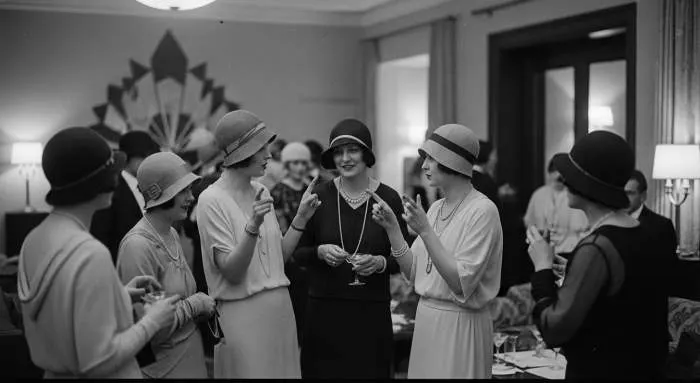
The emphasis shifted from elaborate ornamentation to understated elegance, reflecting a desire for practicality without sacrificing style. The cloche hat perfectly encapsulated this shift towards minimalism. Its close-fitting design, devoid of excessive embellishment, offered a clean line complementing the boyish figure popular among the Flappers.
This distinctive headwear was not just an accessory; it was integral to the modern silhouette, symbolizing a woman’s embrace of freedom and rejection of past excesses.
Key elements of this minimalist approach included:
- Shorter hemlines, rising to the knee for the first time in mainstream fashion.
- Dropped waistlines, creating a 'garçonne' or boyish figure.
- Fewer layers of undergarments, promoting comfort and ease of movement.
- Simple, geometric patterns and solid colors over fussy prints.
- Practical fabrics like jersey and rayon gaining popularity.
This dramatic transformation from the ornate to the understated truly defined the spirit of the 1920s.
The Rebellion: How WWI Changed Fashion
The cataclysm of World War I, far from being solely a military conflict, served as an unprecedented catalyst for profound social and sartorial transformation. As millions of men left their homes for the front lines, women stepped into roles previously deemed exclusively masculine, fundamentally altering societal structures. This seismic shift initiated a rebellion against past restrictive norms, directly influencing modern fashion history.
From Domesticity to Industry: Women in the War Effort
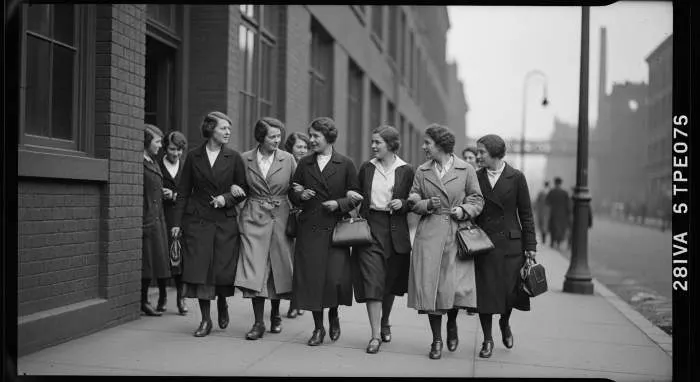
With the urgent demands of wartime production, women entered factories, farms, and offices in unprecedented numbers, performing vital work in munitions, transport, and agriculture. These demanding new occupations rendered the elaborate, multi-layered garments of the Edwardian era utterly impractical. The need for mobility and comfort became paramount, directly challenging the very foundations of traditional female dress.

The practicality demanded by the wartime workforce led to an immediate simplification of women's clothing. Skirts shortened, waists loosened, and cumbersome embellishments began to disappear, paving the way for a streamlined silhouette. This functional imperative laid crucial groundwork for the minimalist aesthetics that would define the Roaring Twenties.
The Unlacing of an Era: The Demise of the Corset
Perhaps no single garment better symbolized the pre-war era's constraints than the corset, an architectural undergarment that dictated the female form for centuries. Its rigid structure, designed to create an exaggerated hourglass figure, was entirely incompatible with the physical demands of wartime labor. The collective need for freedom of movement became a powerful force against its dominion.
Historical Insight: If you love this vibe, you'll also find THE LITTLE BLACK DRESS: HISTORY, STYLE, AND REVIVAL to be a fascinating read.
Beyond mere practicality, the war effort also contributed to the corset's decline through resource scarcity. Metal stays, elastic, and fine fabrics, all crucial components of corsetry, were diverted for military production, making their manufacture increasingly difficult and unpatriotic. This economic reality hastened its obsolescence, allowing women to embrace a less constricted form.
The abandonment of the corset was more than a practical adjustment; it represented a profound psychological liberation and a redefinition of feminine beauty. Women began to embrace a more natural, youthful, and unencumbered figure, rejecting the artificial shaping of previous generations. This shift underpinned a broader cultural movement towards independence and modernity, making a lasting mark on societal expectations.
The Anatomy of a Trend
Crafting the Iconic Silhouette: Materials and Construction
The ubiquity of the cloche hat in the 1920s was not solely a matter of style; it was deeply intertwined with advancements in material science and manufacturing techniques, enabling its widespread adoption. Its characteristic close-fitting form necessitated specific materials that could be molded and retain their shape, reflecting a broader shift towards practical, mass-producible fashion.

Felt was paramount, predominantly wool felt, though finer rabbit or beaver fur felt was used for luxury items. Felt offered unparalleled versatility; it could be steamed, blocked, and shaped into the distinctive cloche silhouette with remarkable ease, providing a smooth, seamless finish. Its pliability and durability made it ideal for everyday wear, suiting the active modern woman.
From Artisan Workshops to Mass Production: Spreading the Cloche
While early cloches originated in artisan millinery workshops, their true ascendancy came with more efficient manufacturing processes. Wooden hat blocks were essential tools for consistent shaping and sizing. This enabled manufacturers to produce thousands of identical cloche bodies quickly, driving down costs and making the hats accessible across socioeconomic strata.
Beyond felt, other materials played significant roles depending on the season and occasion, catering to the diverse aesthetics of the burgeoning jazz age culture. These included:
- Straw: Raffia or sisal, popular for spring and summer, offering a lighter alternative.
- Silk and Velvet: Used for casual settings or elegant evening wear, providing luxurious texture.
- Beaded Fabrics: Employed for intricate, sparkling designs, especially for special occasions.
Finishing touches were often understated, reflecting the era's lean towards minimalism. Decorations included simple ribbons, often tied in geometric bows or adorned with a single brooch. Sometimes, a subtle feather or a small decorative pin was added, strategically placed to avoid obscuring the face, a key aspect of the cloche's appeal.
Cinema's Golden Age Icons
The Silver Screen's Style Ambassadors
The burgeoning film industry of the 1920s played an unparalleled role in cementing the cloche hat's status as a definitive fashion statement. As silent movies captured the imaginations of millions, actresses transformed into powerful style icons, their on-screen personas dictating trends across continents. The close-fitting cloche perfectly complemented the sleek, modern aesthetic championed by
Hollywood, becoming synonymous with the era's liberated woman and her newfound independence. Movie studios actively promoted their stars as fashion trendsetters, disseminating their looks through publicity and fan magazines.
Stars, Silhouettes, and Mass Appeal
Leading ladies of the silver screen were instrumental in popularizing the cloche, showcasing its versatility and chic appeal in a multitude of cinematic narratives. Their public appearances and film roles provided a global stage for the latest styles, influencing everything from hemlines to headwear.
This era marked a pivotal moment in Flapper fashion history, where celebrity endorsement became a powerful engine for mass trend adoption. The distinctive silhouette of the cloche, often worn low over the brow, perfectly framed the expressive faces that dominated the silent screen.
Actresses frequently donned cloches, both on and off-screen, reinforcing its image as the ultimate accessory for the modern woman.
- Louise Brooks, with her iconic bob, frequently paired it with a cloche, creating an unforgettable image of sophisticated rebellion and sleek modernity.
- Greta Garbo exuded an air of mysterious elegance, often seen in subtly styled cloches that accentuated her enigmatic gaze and refined allure.
- Clara Bow, the quintessential "It Girl," embodied the vivacious spirit of the flapper, and her playful cloche styles resonated with younger, more daring audiences.
- Gloria Swanson, known for her dramatic fashion sense, also embraced the cloche, adapting it to her more opulent on-screen wardrobes and grand entrances.
These stars' visual impact was immense, turning movie theaters into veritable fashion showrooms and inspiring countless women to adopt the look. Films such as Our Dancing Daughters (1928), starring Joan Crawford, showcased the entire flapper ensemble, with cloches prominently featured as integral to the characters' modern identities.
The widespread distribution of these films ensured that the cloche hat, as seen on Hollywood's elite, became an accessible yet aspirational symbol for women everywhere, solidifying its place in the fashion lexicon of the Roaring Twenties. The cinema thus became a crucial conduit for disseminating the evolving fashion narrative of the decade.
The Sociology of the Bob
The Inseparable Duo: Cloche and Cropped Locks
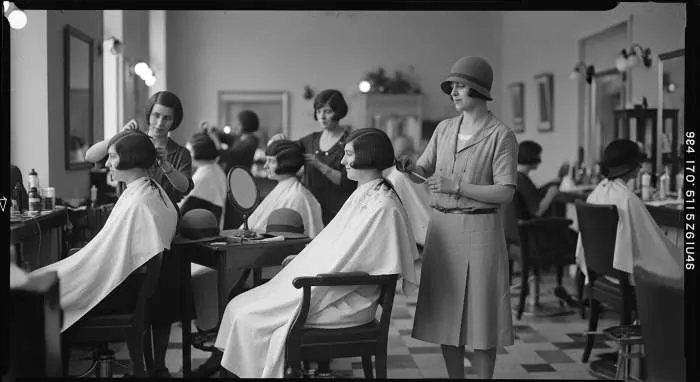
The distinctive silhouette of the cloche hat, designed to be pulled low over the forehead, fundamentally necessitated a dramatic shift in women's hairstyles. Unlike the elaborate updos and voluminous coiffures of previous eras, the cloche's close-fitting, bell-shaped form simply could not accommodate long hair without significant discomfort or an awkward bulge.
Historical Insight: Pro Tip: For a deeper look at this period, don't miss our feature on 1940S PADDED SHOULDERS: FASHION'S WARTIME POWER STATEMENT.

This practical requirement propelled the bob cut from a fringe style into the dominant fashion statement of the 1920s, making it a sartorial imperative for hat wearers. The hat and the haircut thus became an iconic, almost inseparable, pairing, defining the decade's sleek and modern aesthetic.
A Cut Above: The Liberating Lore of the Bob
The emergence of the bob cut history is a fascinating narrative of both practicality and profound social rebellion. While various forms of short hair had appeared sporadically before, notably among avant-garde figures and nurses during wartime, its widespread adoption in the 1920s was revolutionary. Women deliberately shed their long tresses, a deeply ingrained symbol of Victorian femininity and domesticity, in favor of a sleek, modern, and often controversial look.
This bold sartorial choice was a public declaration of independence, serving as a visible rejection of traditional societal expectations for women's appearance.
The bob cut, alongside the cloche hat, quickly became the uniform of the modern woman, particularly the spirited flapper. This new hairstyle allowed for a freedom of movement previously unimaginable, perfectly suiting the era's active lifestyle, from dancing the Charleston to driving automobiles.
It was not merely a convenient haircut but a powerful symbol of emancipation, embodying the progressive spirit of a generation breaking free from past constraints. The inherent simplicity of the bob also significantly reduced the time and effort required for daily grooming, aligning perfectly with the era's burgeoning push for efficiency and modernity in all aspects of life.
The social impact of the bob was immense and often polarizing, with some traditionalists viewing the style as scandalous, unfeminine, and even a sign of moral decay. However, its undeniable practicality and association with youth and modernity ensured its popularity soared, becoming a visual shorthand for the era's transformative changes. This iconic haircut represented:
- Modernity: A clear, decisive break from the past's ornate and restrictive styles.
- Independence: Signifying women's growing autonomy and control over their own image.
- Youthfulness: Emphasizing a fresh, energetic, and often rebellious appearance.
- Practicality: Dramatically easier to manage than long hair, especially when worn under the omnipresent cloche.
This profound synergy between the universally embraced cloche hat and the revolutionary bob cut created a cohesive and powerful visual language. Together, they perfectly encapsulated the revolutionary spirit of the Roaring Twenties, demonstrating how fashion could both reflect and actively shape social change.
A Timeless Legacy
The Enduring Allure of the Cloche
The cloche hat, an undisputed emblem of the Roaring Twenties, has transcended its original era, periodically resurfacing in the fashion landscape. Its clean lines, distinctive bell-shaped silhouette, and inherent elegance possess a timeless appeal that continues to captivate designers. This enduring presence highlights its status as a perpetually relevant sartorial archetype.
Contemporary Interpretations and Cultural Resonance
Modern revivals of the cloche hat frequently draw inspiration from the original design, adapting it to contemporary tastes and materials. These reinterpretations often appear in collections celebrating vintage aesthetics, rooted in the Jazz Age. The enduring popularity of "Gatsby fashion" has provided fertile ground for the cloche's resurgence, fueled by 1920s nostalgia.

Designers today experiment with a broader palette of fabrics, moving beyond felt and straw to incorporate luxurious knits, leather, and embellished textiles. This adaptability allows the cloche to seamlessly integrate into diverse modern styles, from runway statements to high-street offerings. Its versatility is showcased in its adoption by various subcultures and its presence at period-themed events.
The cloche's profound legacy extends beyond direct fashion revivals, influencing broader hat design and trends. Its characteristic close fit continues to inspire contemporary milliners. Moreover, its iconic status makes it indispensable for costume designers evoking the 1920s' sophisticated yet rebellious spirit.
Key aspects defining its modern revival include:
- Adaptation to diverse, luxurious materials like cashmere, silk, and synthetic blends.
- Integration into high-end fashion lines, often featuring intricate detailing.
- A prominent role in themed social events and historical reenactments.
- Influence on broader headwear trends, inspiring sleek, minimalist silhouettes.
Continual re-evaluation ensures the cloche hat's place as a relevant piece in fashion history. It testifies to the potent combination of practical design, social symbolism, and aesthetic resonance that defined the 1920s.