IN THIS ISSUE:
Throughout history, fashion and music have served as inseparable cultural barometers, each reflecting and shaping the zeitgeist of its era. From the flapper dresses dancing to jazz rhythms to the punk rebellion clad in ripped denim and safety pins, the sartorial and sonic landscapes have consistently converged to define identity and movement.
In the contemporary digital age, platforms like Spotify have democratized access to an expansive archive of musical heritage, fostering a renewed appreciation for sounds from yesteryear. This article delves into the burgeoning phenomenon of expertly curated vintage playlists, exploring how these "throwback Spotify gems" offer more than mere nostalgia.
We examine the art of meticulously crafting retro mixes that not only evoke specific historical periods but also demonstrably enhance the wearing of vintage outfits, transforming a simple ensemble into a holistic, multi-sensory journey back in time. This symbiotic pairing transcends superficial trends, inviting a profound immersion into the authentic "vibe" of bygone eras.
Vibe Check: Are your threads truly singing with the sounds of their era? Discover how the perfect retro playlist elevates your vintage style from an outfit to an experience.
From Victorian Excess to Modern Minimalism
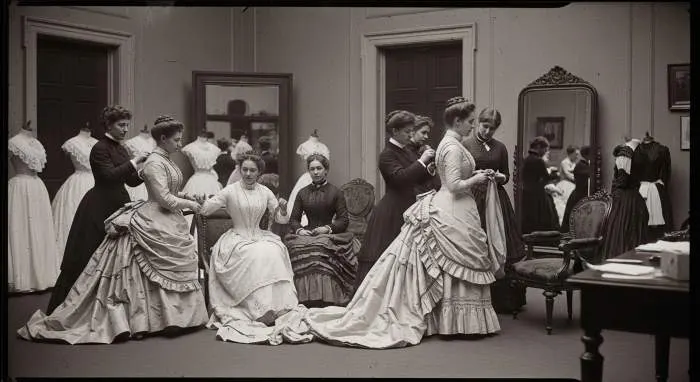
The journey from Victorian grandeur to modern minimalism marks a profound evolution in both sartorial expression and societal values. The 19th century, particularly the Victorian period, was defined by an aesthetic of abundance and strict social codes, reflected dramatically in its fashion. Women's attire featured voluminous skirts, cinched waists via rigid corsetry, and layers of intricate embellishments.
These elaborate garments, often crafted from heavy silks or velvets, symbolized status and propriety, reflecting the era's emphasis on restraint and formality. Fashion was a complex language of social standing. The musical landscape, dominated by classical compositions and parlor songs, echoed this structured sensibility, serving as entertainment within polite society.
The Grandeur of Victorian Silhouettes
Victorian fashion epitomized maximalism, where more was consistently considered better. Silhouettes evolved from expansive crinolines to dramatic bustles, each iteration demanding significant fabric and labor. The emphasis was on creating an hourglass figure, often at the expense of comfort and natural movement.

- Corsetry: Essential for achieving the desired wasp waist, often leading to physical discomfort.
- Layering: Multiple petticoats, underskirts, and intricate overskirts contributed to the voluminous shape.
- Embellishments: Lace, ruffles, bows, and embroidery were meticulously applied, signifying wealth and attention to detail.
- Fabric Choice: Heavy, rich textiles like satin, velvet, and wool were favored for their luxurious feel and drape.
The Liberating Rhythm of the Jazz Age
The turn of the 20th century ushered in a radical departure, culminating in the transformative 1920s and the vibrant jazz age culture. This era witnessed a revolutionary shift from Victorian rigidity towards unprecedented freedom in fashion and lifestyle. The iconic flapper dress, with its dropped waist, shorter hemlines, and looser, boyish silhouette, became a symbol of female emancipation and modernity.
Fashion became less about restriction and more about movement, aligning perfectly with the energetic new rhythms of jazz music. The flapper's attire, adorned with beads, fringe, and sequins, was designed to shimmer and sway with the Charleston and other popular dances. This dramatic simplification in dress, coupled with jazz's syncopated beats, marked a definitive break from the past, embracing innovation and a liberated spirit.
The Rebellion: How WWI Changed Fashion
The War's Unintended Fashion Revolution
The First World War served as an unprecedented catalyst for profound societal shifts, with fashion proving no exception. As men departed for the front, women stepped into roles traditionally reserved for them, entering factories, farms, and offices in unprecedented numbers. This dramatic alteration demanded a radical rethinking of attire, moving decisively away from the elaborate, restrictive styles of the Belle Époque, which were now both impractical and hazardous.
Shedding the Stays: The Demise of the Corset
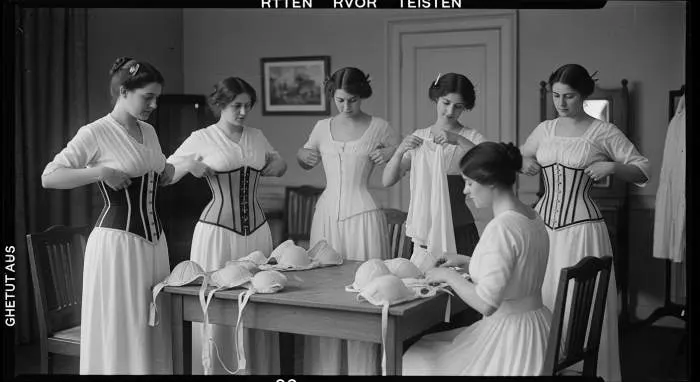
Perhaps the most symbolic casualty of this wartime shift was the rigid corset, a garment that had defined the female form for centuries. Before the war, it was an indispensable foundation, meticulously shaping the torso into an idealized hourglass, often at the expense of comfort and natural movement. Its intricate construction, featuring whalebone or metal stays, epitomized the era's rigid social constraints.

However, the war made the corset's dominance untenable; physical demands of factory work and nursing required unrestricted movement. Patriotic campaigns even encouraged women to abandon their corsets, arguing the metal stays could be repurposed for the war effort. This collective shedding marked a pivotal moment of bodily liberation, allowing a more natural and relaxed silhouette to emerge.
From Constraint to Liberation: Paving the Way for the Flapper
The liberation from the corset heralded a fundamental shift in the perception of the female form and its sartorial expression. The newly uncorseted body embraced a straighter, more columnar line, laying the groundwork for the revolutionary aesthetics of the 1920s. This newfound physical freedom resonated deeply with a generation eager to cast off old conventions.
The evolution extended beyond undergarments; hems gradually rose, and waists became looser or disappeared altogether. Lighter fabrics gained prominence, contributing to a streamlined, more active silhouette that perfectly prefigured the iconic styles of the subsequent decade. This period of intense transformation is crucial to understanding Flapper dress history, as its foundations were firmly laid during the Great War.
Key shifts observed during this transitional period include:
- Simplified Silhouettes: A move towards straighter lines and less ornamentation.
- Practical Fabrics: Adoption of more durable and washable materials like cotton and wool.
- Shorter Skirts: Hemlines began to rise, offering greater mobility.
- Relaxed Undergarments: Replacement of corsets with softer brassieres and girdles.
- Emergence of Sportswear: Casual, comfortable attire gained acceptance for various activities.
The Anatomy of a Trend
The lifecycle of any fashion trend, from its nascent conceptualization to its eventual classification as "vintage," is fundamentally dictated by the materials available and the manufacturing processes employed. These foundational elements sculpt not only the aesthetic possibilities but also the very accessibility, durability, and eventual historical significance of garments. Understanding this interplay is crucial to appreciating the tangible stories woven into every retro piece.

From Artisanal Craft to Early Industrialization
Before the mid-20th century, fashion relied predominantly on natural fibers such as cotton, wool, silk, and linen. The inherent properties of these fibers — their drape, breathability, and texture — inherently shaped the silhouettes and comfort of clothing. Manufacturing was often a labor-intensive endeavor, with much emphasis placed on bespoke tailoring and skilled craftsmanship.
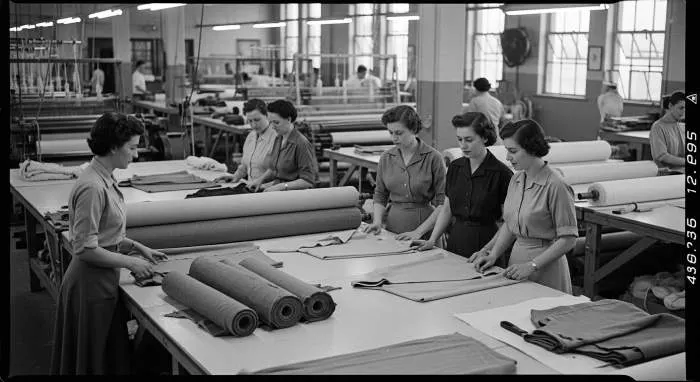
The dawn of the Industrial Revolution introduced innovations like the power loom and mechanical spinning, significantly increasing fabric production capacity. While these advancements made textiles more widely available, the underlying materials largely remained natural. This era established the groundwork for standardized sizing and early ready-to-wear options, yet the artistry of garment construction still often resided in individual workshops.
Post-War Resurgence and the Rise of Synthetics
The period immediately following World War II marked a pivotal shift in both material science and manufacturing ambition. With wartime rationing lifted and a collective desire for beauty and luxury, designers sought to redefine post-war elegance. Christian Dior's seminal Dior New Look of 1947 epitomized this resurgence, utilizing vast quantities of fabric to create opulent, hourglass silhouettes that heralded a return to femininity and grandeur.
This dramatic aesthetic, while initially challenging manufacturers with its material demands, also spurred innovation and the rapid adoption of new fibers. The mid-century saw the widespread introduction of synthetic materials like rayon, nylon, and polyester. These man-made fibers offered unprecedented durability, wrinkle resistance, and versatility, expanding design possibilities and lowering production costs.
The advent of synthetics, coupled with increasingly sophisticated mass production techniques, democratized fashion on an unprecedented scale. Ready-to-wear became the dominant model, making trendy styles accessible to a broader demographic and allowing for rapid seasonal changes. This evolution in materials and manufacturing is precisely why certain eras possess such distinct sartorial identities, making their surviving garments cherished pieces of history for today’s vintage enthusiasts.
Cinema's Golden Age Icons
Hollywood's Glamour and Silver Screen Style
The mid-20th century marked the zenith of Hollywood's Golden Age, an era where cinema transcended mere entertainment to become a powerful arbiter of style and aspiration. The silver screen cultivated unprecedented glamour, offering audiences a dazzling escape from post-war realities. Stars were not just actors; they were global trendsetters, embodying ideals of sophistication and allure.
Figures such as Marilyn Monroe captivated with her bombshell silhouette and playful sensuality, while Grace Kelly epitomized aristocratic grace, her polished elegance influencing high society fashion. These icons, through their meticulously crafted on-screen personas and public appearances, dictated trends that resonated far beyond the movie palaces.
Audrey Hepburn and the Redefinition of Elegance
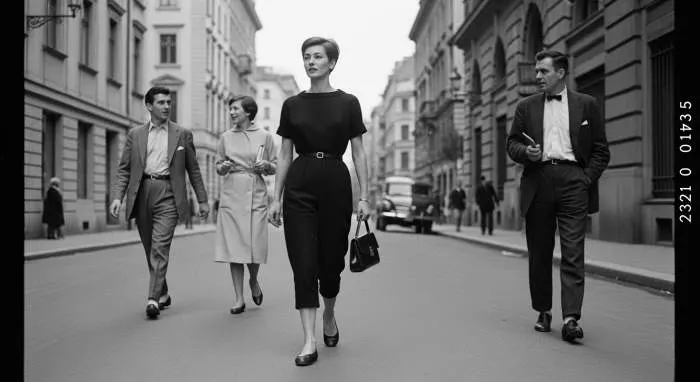
Amidst the prevailing curves and overt glamour, one star redefined feminine elegance with a distinctive, gamine charm: Audrey Hepburn. Her unique aesthetic, characterized by clean lines and minimalist silhouettes, offered a refreshing counterpoint to the era's more voluptuous styles. The impact of Audrey Hepburn fashion was revolutionary, introducing a new paradigm of chic prioritizing understated luxury and comfort.

Hepburn's collaborations with couturier Hubert de Givenchy were instrumental in forging her iconic look. Films like Breakfast at Tiffany's (1961) solidified her status, her character Holly Golightly's little black dress becoming an enduring symbol of sophistication. Similarly, Sabrina (1954) showcased haute couture's transformative power, cementing her reputation as a style muse.
- The Little Black Dress: Epitomized in Breakfast at Tiffany's, becoming a timeless wardrobe staple.
- Gamine Silhouette: High-waisted trousers, ballet flats, and boatneck tops, emphasizing a slender frame.
- Chic Accessories: Oversized sunglasses, silk scarves, and elegant gloves added polish to simple ensembles.
The Enduring Legacy of Cinematic Chic
The sartorial influence of these Golden Age stars continues to echo through contemporary fashion. Their on-screen wardrobes were carefully curated statements that defined characters and, by extension, cultural aspirations. From the elegance of Grace Kelly to the groundbreaking simplicity of Audrey Hepburn, these looks offered blueprints for sophisticated dressing.
Today, enthusiasts can revisit these iconic eras through film and meticulously crafted vintage playlists. Imagine curating cool jazz standards, perhaps Henry Mancini's score from Breakfast at Tiffany's, perfectly complementing an outfit inspired by Hepburn's timeless chic. These auditory companions deepen the appreciation for past visual artistry, making vintage fashion a multisensory journey.
The Sociology of the Bob
The Emancipated Tresses of the Jazz Age
The 1920s witnessed a profound transformation in women's hairstyles, none more iconic or socially resonant than the advent of the bob. This radical departure from the long, elaborate coiffures of previous eras symbolized a new spirit of independence and modernity. Women, emerging from the shadows of Victorian restraint and the demands of wartime labor, embraced shorter hair as a declaration of liberation.
The bob, with its sleek lines and practical appeal, was not merely a hairstyle; it was a sartorial manifesto. It embodied the dynamism of the Jazz Age, reflecting a desire for freedom of movement and a rejection of traditional feminine aesthetics. This bold cut paved the way for a holistic reimagining of the female silhouette, from undergarments to outerwear, fundamentally altering how women presented themselves to the world.
The Cloche's Imperative: A Haircut's Demand
Crucially, the rise of the bob was inextricably linked to the burgeoning popularity of the cloche hat. The cloche, a bell-shaped, close-fitting hat, became the quintessential accessory of the flapper era, its design dictating a specific hair length for both aesthetic and practical reasons. Long hair, even when pinned up, created an unsightly and uncomfortable bulge beneath the hat, distorting its elegant, smooth silhouette.

The very structure of the cloche, designed to sit low on the forehead and hug the contours of the head, necessitated a sleek, compact hairstyle. Attempting to wear a cloche over voluminous or long hair was simply impractical; it would either refuse to sit correctly or stretch the hat out of shape, ruining its intended line. Thus, the bob became the perfect, almost mandatory, partner for the cloche, allowing it to frame the face with understated sophistication.
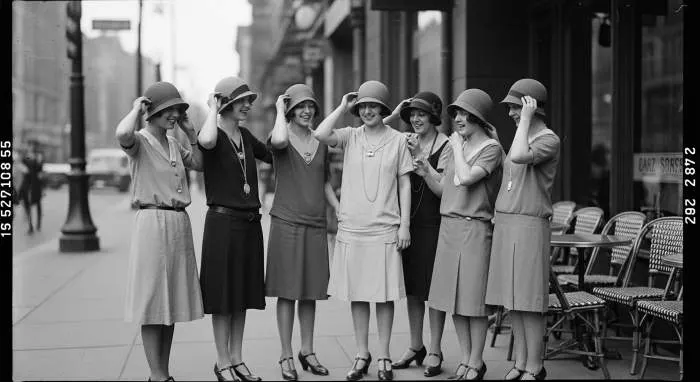
This symbiotic relationship between a specific hairstyle and an accessory underscored a broader principle in fashion history: certain garments or accoutrements demand particular stylistic accompaniments to achieve their full effect. Just as the cloche required the bob for its definitive look, later fashion movements would see similar dependencies. Consider the 1960s, where the striking silhouette of go-go boots often necessitated the pairing with mini-skirts and streamlined, often geometric, hairstyles to complete their iconic, youthful aesthetic.
A Timeless Legacy
The Digital Age of Retro Revival
The enduring allure of historical fashion and music is experiencing an unprecedented resurgence in the digital era, transcending mere nostalgia to become a vibrant force in contemporary culture. Platforms like Spotify and other streaming services have democratized access to vast archives of sound, enabling a new generation to discover and curate vintage playlists. These meticulously crafted retro mixes are not just auditory experiences; they are carefully designed sonic backdrops that perfectly complement the revival of bygone sartorial styles.
This modern phenomenon is deeply intertwined with a broader appreciation for historical aesthetics and the cyclical nature of trends. Fashion enthusiasts and music lovers alike are drawn to the authenticity and narrative power embedded in vintage pieces, seeking to integrate these elements into their personal expression. The convenience of digital curation allows for an exploration of specific eras, transforming historical research into an accessible, engaging pastime.
Curated Sounds and Sartorial Echoes
The symbiotic relationship between music and fashion has always been a cornerstone of cultural identity, and today's revivals amplify this connection with sophisticated precision. Enthusiasts meticulously match their auditory environments to their chosen ensembles, creating immersive experiences that celebrate historical periods. For instance, the resurgence of 1970s dance culture, fueled by disco and funk grooves, finds its perfect visual counterpart in wide-collared shirts, flared trousers, and platform shoes.
These curated experiences extend beyond individual expression, influencing broader trends in design and lifestyle. The meticulous selection of tracks from specific decades provides a sonic blueprint for outfit choices, transforming everyday dressing into a deliberate act of historical homage. This dynamic interplay fosters a deeper connection to the past, allowing individuals to inhabit and reinterpret historical moments.
- Roaring Twenties Jazz: Paired with flapper dresses and art deco accessories, evoking an era of liberation.
- Swing Era Jive: Complemented by tailored suits and full-skirted dresses, perfect for dance halls.
- Motown Soul Grooves: Matched with mod mini-dresses and sharp tailoring, reflecting optimism and rhythm.
- Disco Inferno Anthems: Synchronized with sequins, jumpsuits, and platform boots, celebrating the pulsating energy of the dance floor.
The ability to instantly access and share these historical soundscapes has cultivated a vibrant subculture of retro appreciation, where fashion and music converge. This ongoing dialogue between past and present ensures that the legacy of iconic styles and sounds continues to evolve, finding new relevance and resonance in every generation. It underscores how deeply embedded cultural expressions remain, continually shaping our contemporary landscape.