From Muddy Trenches to Silver Screens
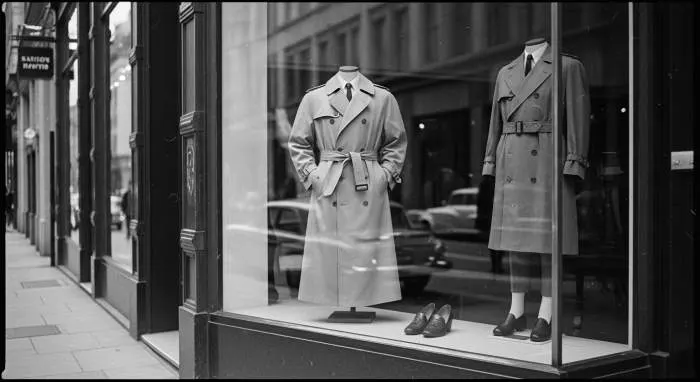
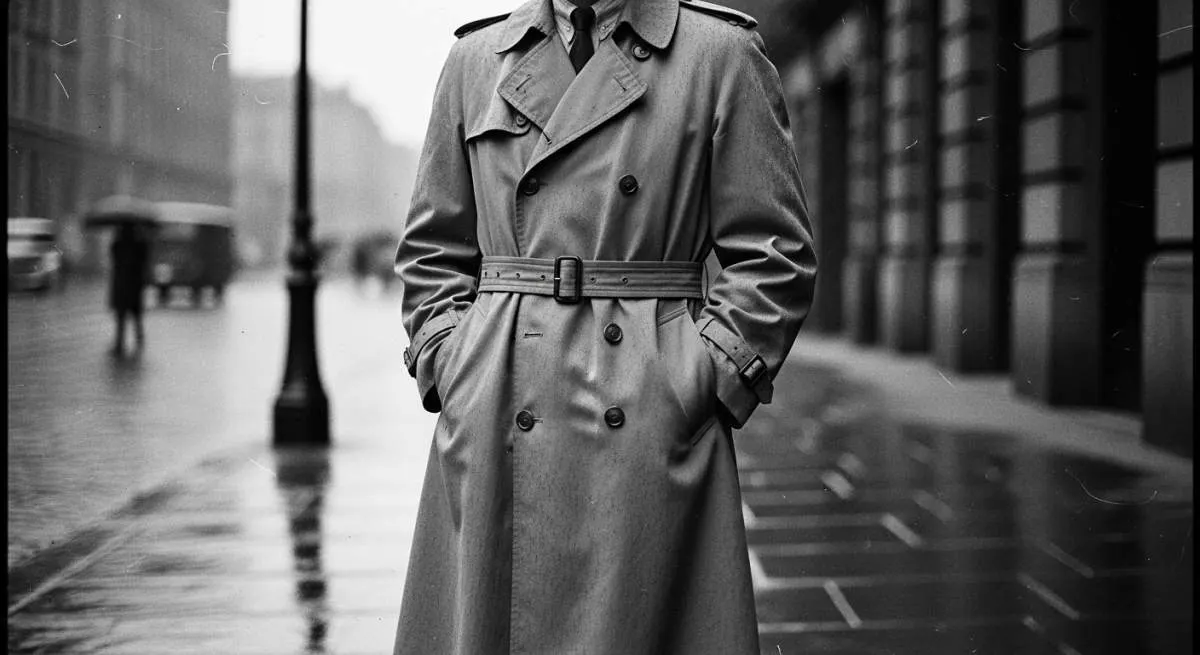
Picture a garment born in the muck and misery of a World War I trench, then fast-forward a few decades to see it draped over the shoulders of Humphrey Bogart in a foggy Casablanca alley. That’s the incredible journey of the trench coat. It’s not just a piece of outerwear; it’s a century-old story of necessity, innovation, and pure, unshakable style. Its evolution from a military survival tool to a global fashion icon is a testament to a design so smart, it simply refused to go out of fashion.
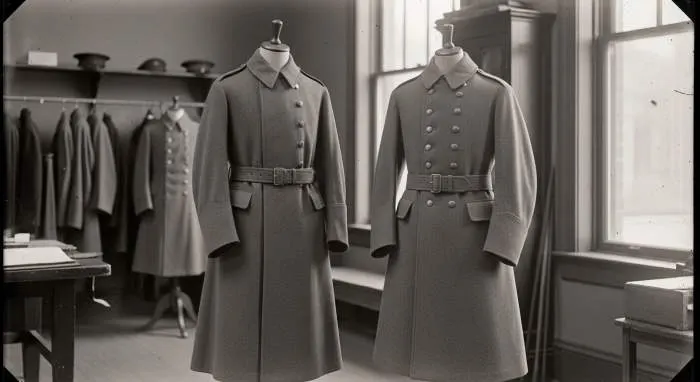
To understand its enduring power, you have to trace a thread that runs right through the 20th century, from battlefield utility to Hollywood glamour. Every epaulet, every storm flap, and that iconic belt has a tale to tell. Let’s start at the very beginning, where the need for something better than a soaked-through wool coat sparked a revolution in fabric and form.
Born of Necessity: The Military Blueprint
The trench coat’s origin story is one of pure practicality. In the late 19th and early 20th centuries, military officers were stuck with heavy, water-absorbing serge greatcoats that were miserable in wet conditions. They needed something lighter, waterproof, and designed for movement. The answer came from two British houses: Burberry and Aquascutum. Burberry’s real game-changer was gabardine, a tightly woven, water-repellent cotton twill that was breathable and far more comfortable than the rubberized fabrics of the past.
When World War I erupted in 1914, this new officer’s coat was put to the ultimate test in the brutal conditions of trench warfare. It wasn't about fashion; it was about survival. Every single design feature served a specific, often life-saving, purpose in the field. The coat that emerged from this crucible was a masterpiece of functional design.
Every Detail Had a Job
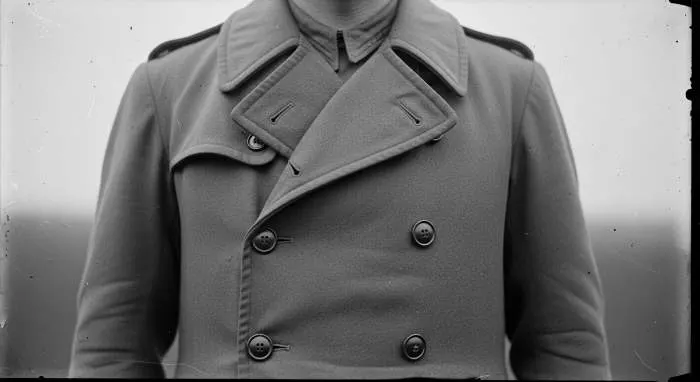
Nothing on the original trench coat was decorative. The double-breasted front could be buttoned tight for maximum protection against wind and rain. The wide lapels weren’t just for looks, they could be folded over and secured at the neck to create a seal against the cold. A storm flap on the right shoulder provided extra rain protection and, some say, helped cushion rifle recoil.
The functional genius went even deeper. Those fabric straps on the shoulders, the epaulets, were for holding rank insignia and securing gear like gas mask bags. Deep, angled pockets were perfect for maps and field essentials. The D-rings on the belt? They were originally for attaching military equipment, from grenades to swords. The belted waist cinched the coat to keep out drafts, while adjustable cuffs could be tightened to stop water from running down your arms. Even the deep back vent was for practicality, allowing freedom of movement for running or riding.
The Great Transition: From Uniform to Wardrobe
As soldiers returned home after the Great War, they brought their practical coats with them. Demobilized officers, accustomed to the trench coat’s durability and smart look, continued wearing them in civilian life. This marked the beginning of its shift from military issue to personal style. While 1920s fashion for women celebrated liberation with flapper styles, men’s fashion also moved towards more relaxed, functional silhouettes. The trench coat, with its clean lines and lack of fuss, fit this new modern mood perfectly.
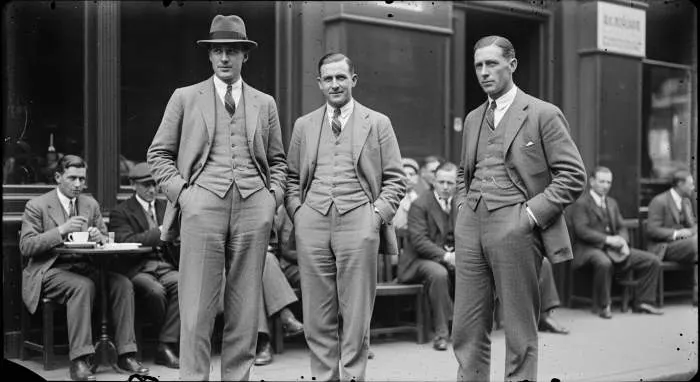
It was in the following decades, however, that the coat truly found its mythic character. Hollywood saw its dramatic potential and cast it in a starring role it has never relinquished.
Hollywood’s Favorite Prop
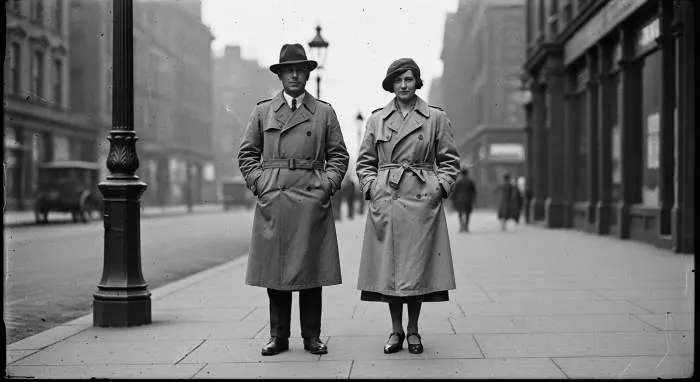
By the 1930s, the trench coat had become the unofficial uniform of intrigue on the silver screen. It was the garment of choice for the hard-boiled detective, the shadowy gangster, and the mysterious femme fatale. In the shadowy world of film noir, it suggested cynicism, danger, and secrets waiting to be uncovered. This dark allure is explored in depth in our article on the trench coat's cinematic history.
The coat’s cinematic moment reached an iconic peak during World War II, not on a battlefield, but in a Rick’s Café. Humphrey Bogart’s portrayal of Rick Blaine in the 1942 classic *Casablanca* is inseparable from his trench coat. With the collar turned up against the night, a cigarette dangling from his lips, Bogart wrapped the garment in a weary, romantic melancholy that defined an era. That image cemented the trench coat as a symbol of world-weary cool.
Chic Reinvention: The Audrey Hepburn Effect
After the war, the trench coat shed some of its gritty, masculine associations and embraced chic sophistication. Designers began to play with its proportions and fabrics, tailoring it for a new, optimistic post-war world. But it was Audrey Hepburn who truly reinvented it for a generation. In films like *Breakfast at Tiffany’s* (1961) and *Charade* (1963), she wore the trench not as a symbol of mystery, but of elegant, practical grace.
Who can forget the final, rain-soaked scene in *Breakfast at Tiffany’s*, with Hepburn and George Peppard sharing a kiss, both wrapped in classic trenches? Her version was clean, tailored, and impossibly chic, often paired with a simple dress. Audrey Hepburn showed that the trench coat could be the ultimate piece of feminine, sophisticated outerwear, moving it firmly from the detective’s closet to the fashion icon’s wardrobe.
Adaptation and Endurance: The Late Century Shift
The trench coat proved its incredible adaptability in the closing decades of the 20th century. In the 1970s, it appeared in longer, sometimes floor-length versions, and materials expanded beyond traditional gabardine to include leather and synthetic blends. Even amid the bold shoulders and bright colors of 1980s power dressing, the classic trench offered a sophisticated, timeless counterpoint.
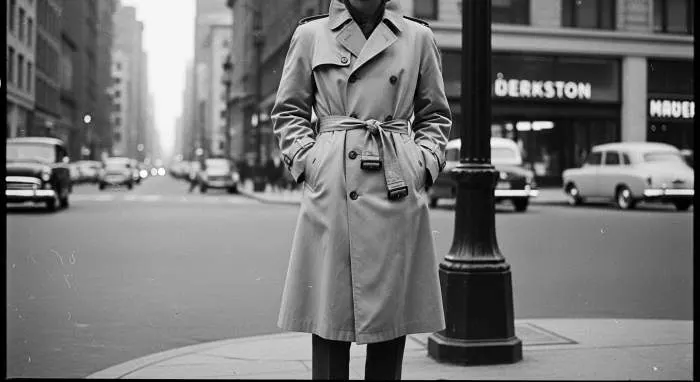
The 1990s, with its minimalist and grunge aesthetics, was another perfect home for the coat. Its clean lines fit the minimalist vibe, and it layered effortlessly over everything from slip dresses to flannel shirts. The decade also saw the rise of the leather trench, popularized by films like *The Matrix*, which took the classic silhouette and thrust it into a sleek, futuristic realm. It was a reminder that the trench coat’s DNA could be translated into almost any style language.
Why It’s Still a Wardrobe Essential
So, what is it about this century-old design that keeps it relevant season after season, decade after decade? The reasons are as solid as the original gabardine weave. First is its sheer versatility. You can wear it over a suit for a formal meeting or thrown on over jeans and a t-shirt for a casual weekend, it always works. It’s a true three-season piece, providing protection without bulk.
Perhaps most importantly, it possesses a universal appeal. It flatters almost any body type and can be adapted to fit countless personal styles, from classic to edgy. And woven into its very fabric is a historical resonance, a connection to stories of heroism, romance, and silver-screen glamour. It’s a garment that carries a narrative, making the wearer part of a continuing story.
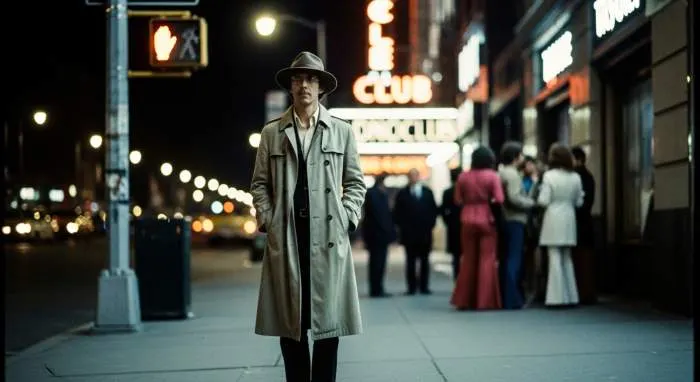
From the mud of Flanders fields to the glamour of Fifth Avenue, the trench coat has navigated a century of immense change. Its journey is a remarkable testament to brilliant, purposeful design. It’s more than a coat; it’s a piece of wearable history, a cultural touchstone, and a style icon that, somehow, always feels perfectly modern.