
Fatal Allure: Why We Still Fall for Film Noir's Best Dressed Villains
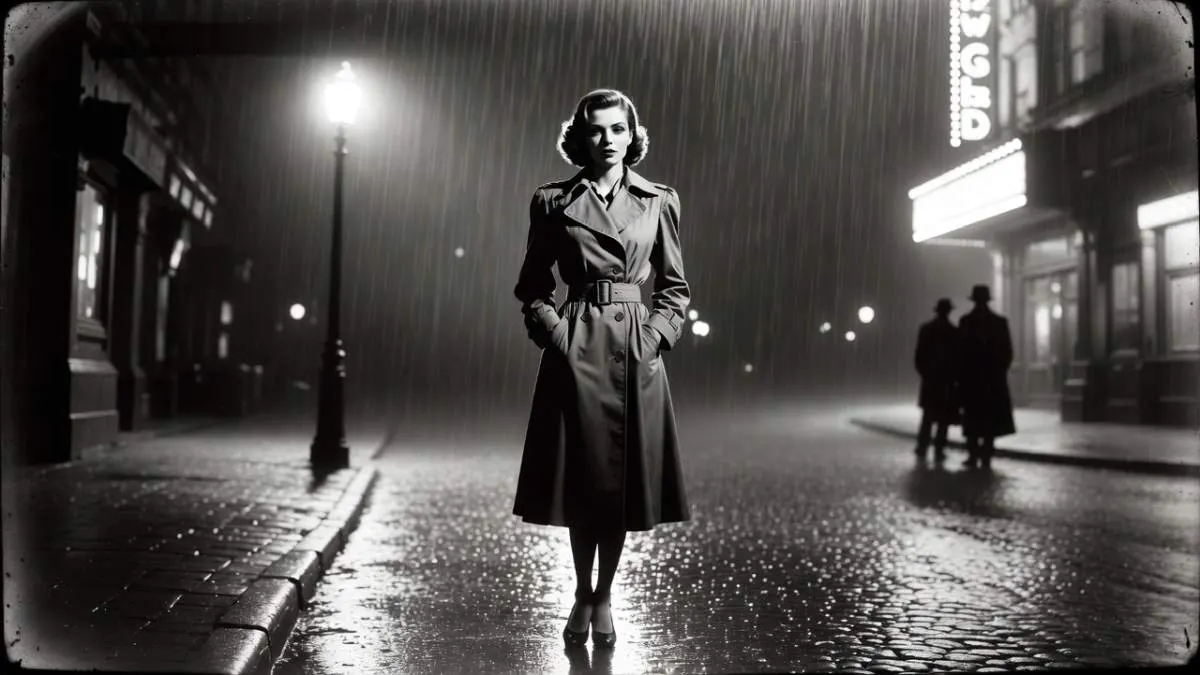
When you think of true style, the kind that whispers danger and commands attention without screaming it, your mind probably drifts to a dimly lit street, the glint of a streetlamp on wet asphalt, and a woman who knows exactly what she's doing. She's got a cigarette holder, a cutting remark, and crucially, a killer outfit [1].
We'll dive deep into the allure of these cinematic vamps, from their razor-sharp silhouettes to their perfectly coiffed waves. We'll uncover the key elements of Femme Fatale style that outlast any trend, dig into the historical moment that forged this look, and hold it up against the so-called norms of the era.
What fashion secrets lie behind a look that commands respect while subtly inviting intrigue? It's time to pull back the curtain on the sultriness and sophisticated menace of Film Noir fashion. Along the way, you'll understand why the trench coat became more than a coat, and why the Femme Fatale remains the ultimate icon of sophisticated danger.
Dark Allure of the Femme Fatale's Wardrobe
In 1947, as Christian Dior was unveiling his opulent "New Look" a lavish celebration of fabric and femininity that defied years of wartime austerity, a different kind of sartorial statement was being etched onto the silver screen. While Parisian salons pushed voluminous skirts and cinched waists, Hollywood's backlots were cloaking women in sharp suits, slinky gowns, and those notorious trench coats. This was the era of Film Noir, a genre drenched in moral ambiguity and stark visuals, where the shadows were as important as the light, and the leading ladies often cast the longest, darkest ones.
The 1920s Vamps: Early Glimmers of the Dangerous Woman
What many don't know is that Theda Bara's entire persona was a studio creation: her name was an anagram for 'Arab Death,' and she was marketed as the daughter of a French actress and an Italian sculptor, when in reality she was born Theodosia Goodman in Cincinnati, Ohio. These women were seduction personified, though often one-dimensional.
How Wartime Austerity Shaped Deadly Glamour
Women stepped into traditionally male roles, embracing tailored suits and broader shoulders. When the war ended, there was a collective sigh of relief, but also a profound sense of disillusionment and anxiety. Men returned to a world that had changed, and women who had found independence were now often expected to retreat.
The Trench Coat: A Cloak of Mystery
The trench coat's role for these "bad girls" was simple: power and disguise. Originally a military garment, it was functional and practical for the mean streets these women navigated. In their hands, it became something far more charged: a cloak that announced power before a single word was spoken. It blurred gender lines, lending an assertive, almost masculine edge that subverted traditional expectations.
Enduring Allure: The Lasting Impact of Film Noir Style
While everyday 1940s style leaned into practicality and domesticity post-war, Film Noir spotlighted something far more dangerous and captivating. It dared to dress women in power, mystery, and unapologetic self-interest. This was the antithesis of the demure housewife, the girl next door.
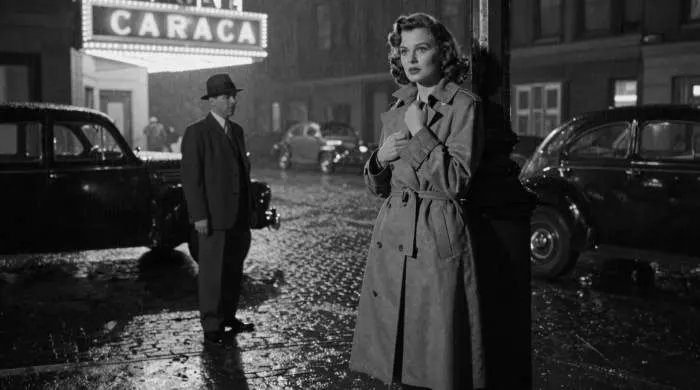
This distinct styling created a historical counter-narrative, showcasing women orchestrating their own fates, for better or worse. The trench coat, naturally, became one of its most enduring symbols. It perfectly encapsulated the femme fatale's enigmatic, independent spirit.
It projected, "I'm going somewhere, probably somewhere you shouldn't ask about," lending women a certain masculine authority and reclaiming the garment from purely male spies and detectives. They didn't need a man to protect them; they had their trench, their wits, and usually, a smoking gun. The garment's utilitarian roots as military issue transformed into a chic statement of self-reliance, giving the wearer an immediate air of mystery and competence.
Designers, then and now, constantly draw inspiration from this era's powerful femininity. Its influence is evident in sharp tailoring, the enduring appeal of the little black dress, and audacious necklines that still make a statement. The femme fatale's influence wasn't merely superficial; it gave women permission, albeit fictional, to explore ambition, sexuality, and complexity beyond traditional roles.
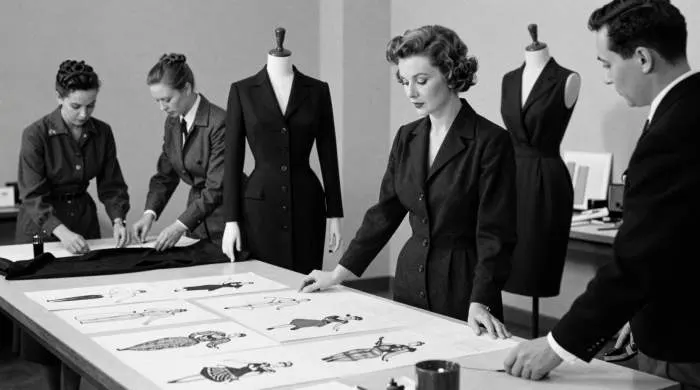
From Hollywood's golden age to modern runways, the allure persists. The key elements of Femme Fatale style, the precise tailoring, dramatic hats, long gloves, sharp red lipstick, and omnipresent shadow, continue to represent a potent mix of glamour, independence, and a hint of danger.
It's a look that promises power, not just prettiness. It reminds us that sometimes, the most compelling style is found in the shadows, where women aren't just seen, they're felt. This aesthetic hasn't faded because it's too captivating, too rebellious, and too chic to ever truly die.
Modern Vixen: Trench Coats and Temperament Today
To channel your inner siren without looking like you're heading to a themed costume party, understand that the femme fatale wasn't just about a look; it was an attitude, a calculated confidence that sliced through the mundane. This was a woman who knew her power, her allure, and wasn't afraid to use it.
- The Trench Coat, Reimagined: Ditch overly structured, heavy versions unless aiming for full cosplay. Opt for modern cuts, a sleek, slightly oversized trench in classic beige, black, or a deep jewel tone. Wear it belted tight to define your waist, or slung open over a tailored look. Pop that collar. It’s less about hiding, more about hinting at mystery, like the original "bad girls" used it, a versatile cloak for illicit rendezvous or a dramatic exit.
- Sleek Silhouettes are Non-Negotiable: Avoid baggy. Focus on pencil skirts that hug without suffocating, wide-leg tailored trousers that drape exquisitely, or a simple, sophisticated slip dress. Emphasize your form with clean lines, not fuss. It’s about understated elegance that commands presence.
- Accessories with Intent: A single, bold statement piece is far more effective than a jumble of trinkets. Consider sharp, pointed-toe heels that announce your arrival, a structured top-handle bag that means business, or oversized sunglasses that shield more than just your eyes. A single, weighty necklace or dramatic earrings can do wonders. Quality over quantity is key.
- The Power of a Red Lip: A perfectly applied, unapologetic red lipstick powerfully conveys confidence. Keep the rest of your makeup relatively minimal, a defined brow, a flick of liquid liner, perhaps, to let the lips do the talking. It's classic, bold, and eternally confident.
- Hair with Structure: Whether a sleek bob, soft waves, or a controlled updo, your hair should look purposeful. No messy buns here unless artfully executed. The goal is polished sophistication that suggests everything is under control, even if you’re secretly plotting world domination.
The trench coat, originally a military staple, became her sartorial accomplice, offering both anonymity and an undeniable air of intrigue, hinting at danger and illicit dealings. To achieve the Film Noir trench coat look today, embrace its inherent power, not just its fabric. It’s a subtle nod to the dark glamour of those cinematic vamps, creating an aura of confidence and intelligent mystery that transcends trends.
After the Fade Out: The Femme Fatale's Eternal Encore
Film Noir fashion, with its sharp edges and lurking shadows, stood miles apart from the pastel-hued innocence of typical 1940s everyday style. It spoke of a different kind of woman, one who knew her mind and wasn't afraid to use it, or break it. And the trench coat?
They're constants on the runway and in real life. Designers still mine this era, not just for nostalgia, but because the psychology behind the clothes is so potent. It's about knowing how to make an entrance, and more importantly, how to make an exit.
Why did film noir femmes fatales wear trench coats?
The trench coat's film noir fame owes a debt to wartime surplus. After WWII, Hollywood costumers had easy access to military-issue coats, which they repurposed for leading ladies. This practical choice accidentally created a powerful visual shorthand for danger and independence, turning a soldier's garment into a symbol of female rebellion.
Sources
- [1] Women in World War II - HISTORY
Bracketed numbers in the text (e.g. [1]) refer to the sources listed here.