
The Vibe: How a Sharp Suit Made You a Target
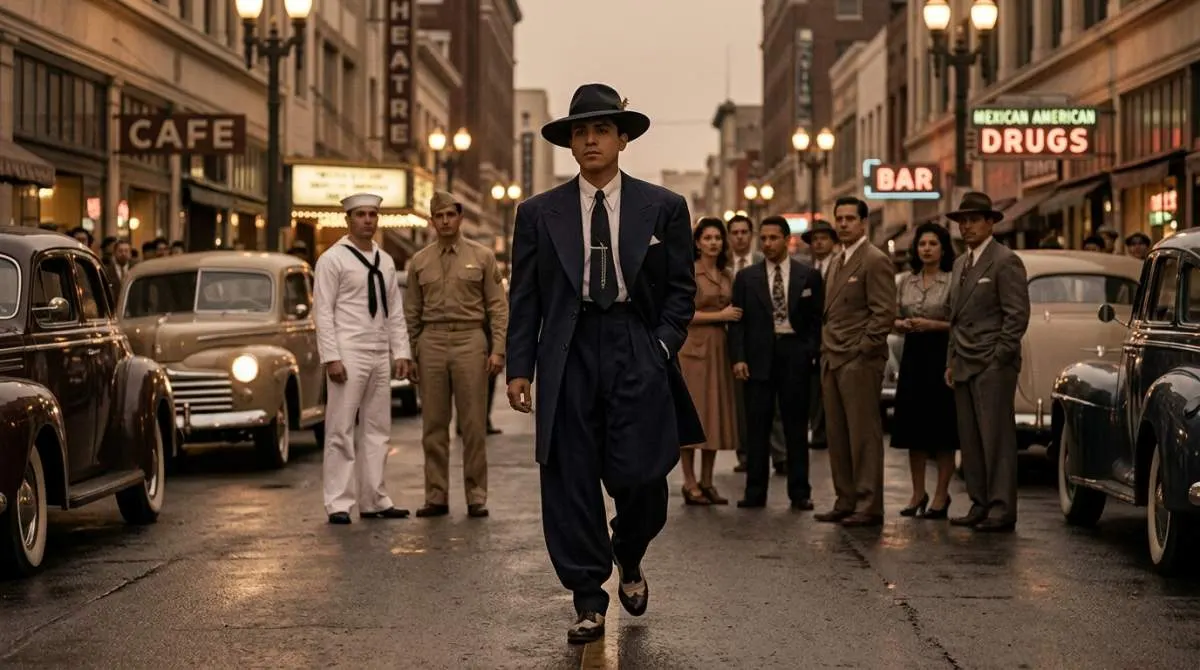
Los Angeles, 1943. The air was thick with war bonds and suspicion. Men in uniform carried themselves with moral authority, expecting everyone else to match their serious mood. Then the zoot suiters showed up, refusing to bow to wartime modesty.
That silhouette was the problem. It was loud, expensive, and it refused to be quiet. The suits required yards of fabric, a flagrant violation of wartime L-85 restrictions. To the average serviceman, these kids were mocking the war effort. But to the kids wearing them, it was about identity. They took a limited world and painted it with swagger.
Here's the irony that still stings. A Chanel tweed suit history lesson would tell you about elegant rebellion. Coco freed women from corsets with luxurious wool, praised as high fashion. But when a young man of color used fabric to sculpt a defiant identity, society called it a crime. The same shoulders looked chic on a Parisian runway but threatening on a street corner in South Central. The double standard was always the point.
The riots weren't a spontaneous eruption. They were encouraged by a city that wanted these kids to disappear. For ten days in June, off-duty soldiers, police officers, and civilians hunted zoot suiters through the streets, stripping them, beating them, and burning their clothes in piles. The newspapers called it a "clean-up." The mayor called it a lesson. But the lesson was clear: if you dared to look like a king in a country that saw you as a peasant, you'd pay for the crown.
The media called it a race riot, but that's a clean lie for dirty hands. The secret that made the zoot suit riots explode wasn't the drape shape or the reet pleat. It was a city-wide panic dressed up as patriotism, ignited by a single biased headline that turned a fashion choice into a death sentence.
The Drape Shape and the Double Standard
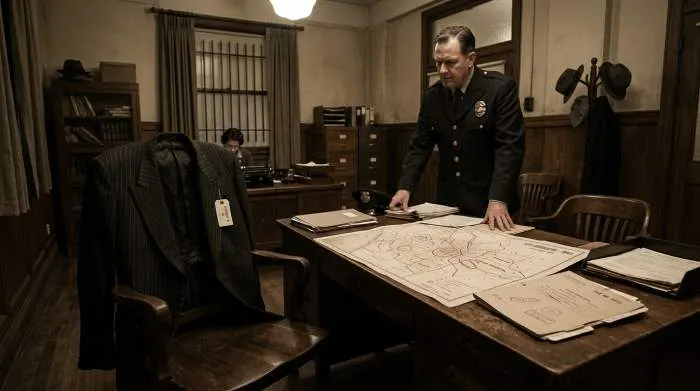
You can't understand the riots without the Sleepy Lagoon trial. In August 1942, a young man died near a reservoir. The police rounded up over 600 Mexican-American kids and convicted seventeen based on their haircuts and clothes. The prosecution argued that wearing a zoot suit proved a "criminal tendency." The press ran with it, making the zoot suit racial tensions a front-page story for months.
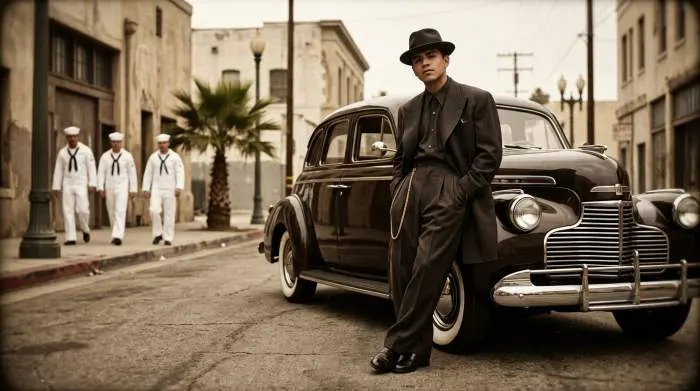
So when sailors claimed a group of "pachucos" attacked them in June 1943, the city was ready to believe the worst. The U.S. Navy and the LAPD actively let it escalate. Servicemen on leave, angry about war rationing and bored, saw the zoot suit as an easy target. It used excessive fabric during a national cloth shortage, looked foreign, sounded like jazz, and was worn by kids who refused to be invisible.
Then it got stranger. The Los Angeles City Council made wearing a zoot suit a misdemeanor. They passed a law targeting a garment. The 1983 Cabbage Patch riots were about consumer greed, but this was about pure, institutionalized fear. The council gave the mob legal cover.
The newspapers printed maps of "zoot suit neighborhoods" as a checklist for violence. The entire system was turned into a weapon, and the trigger was a pair of baggy pants. That's how it broke. Not from a fight, but from a failure to protect. The riot was the symptom, not the disease. The secret was that a city chose to let its citizens be hunted for wearing the wrong jacket.
- The Era:Los Angeles, 1943, right in the middle of wartime rationing and a whole lot of suspicion.
- The Illusion:The idea that zoot suits were a crime, not a fashion choice.
- The Reality:Racial violence, fueled by a biased media and police force.
- Modern Echo:A double standard: chic on the runway, but criminal on the streets.
The Real Trigger: A Trial That Poisoned the City
The answer to how the zoot suit influenced fashion is simple: it taught us that volume is power. The silhouette re-emerged whenever rebellion needed a visual anchor, from the rockabilly scene to the cholo subculture, where the Pachuco style never faded. It stayed alive in lowrider magazines and East L.A. car clubs, a wearable flag of resistance.
Mood Match
When the Music Knew You Better
Pick the moment you are in and we will hand you the record that gets it exactly right.
Getting dressed for a dance you should not attend
In the Mood by Glenn Miller and His Orchestra
That brass section is pure mischief, and it will have your feet moving before your better judgement can catch up.
Cooling off after a night that got loud
Stormy Weather by Lena Horne
Lena sings it low and slow, and somehow she makes the quiet afterwards feel like a room you want to sit in.
Dancing like the uniform does not scare you
Boogie Woogie Bugle Boy by The Andrews Sisters
Three sisters turn a bugle call into something jaunty, and you cannot help but dance as if the war were not waiting.
Some songs do not just play. They remember the evening for you.
Songs checked against en.wikipedia.org.
What Caused the Zoot Suit Riots
The suit survived the smear campaign by becoming a costume of cool. It outlasted the journalists who called it a threat, the police who ripped it off bodies, and the historians who tried to bury it in a footnote. Every time a kid buys an oversized jacket at a thrift store, they're wearing a piece of that fight.
The most natural echo of the zoot suit riots isn't on a runway. It's in a courtroom, a school board meeting, and a city council chamber. The broad-shouldered, baggy-panted silhouette has returned as a uniform of defiance for a new generation. Young men of color, particularly in Los Angeles and Chicago, wear exaggerated, oversized suits to court appearances and protests. They're not dressing for a party. They're dressing for a fight.
These suits aren't sold in department stores. They're made by local tailors, often in immigrant communities. The same hands that hemmed the original zoot suits in the 1940s now cut cloth for their grandchildren. The craft has survived, passed down through whispers and sewing machines. It's a quiet rebellion stitched into every seam.
The Final Push: A Media Stunt in Broad Daylight
The modern revival isn't a costume party. It's a political statement. Activists in Los Angeles have adopted the zoot suit for marches against police brutality. They know the history. They know that wearing a suit got their grandfathers beaten. So they wear it again, daring the system to try. The silhouette is the same, but the context has shifted. It's no longer about swing dancing. It's about survival.
The fabric is cheaper now, but the message is more expensive. A custom zoot suit can cost a thousand dollars. That's a month of rent for many families. Yet they save for it. They pay for it. They wear it to funerals, to graduations, to protests. It's a badge of honor, a declaration that they will not be invisible. The suit is a weapon, and it's loaded with history.
Social media has changed the game. In 1943, the zoot suit was a local phenomenon. Now, a teenager in Texas can see a photo from East L.A. and have a tailor replicate it in a week. The style spreads faster than the fear. TikTok is full of young men showing off their "pachuco fits." They don't always know the history, but they feel the power. The suit gives them a spine they didn't know they had.
The fabric is different now. It's lighter, cheaper, and easier to move in. But the drape is the same. The shoulders are still a foot wider than they need to be. The pants still pool over the shoes. It's a silhouette that refuses to be efficient. It's deliberately wasteful, deliberately loud. That's the point. In a world that demands you shrink, the zoot suit makes you expand.
Music, Shoulders, and the Quiet Keepers
The zoot suit's exaggerated proportions bled into the 80s power shoulders trend. The zoot was now a gender-free statement. 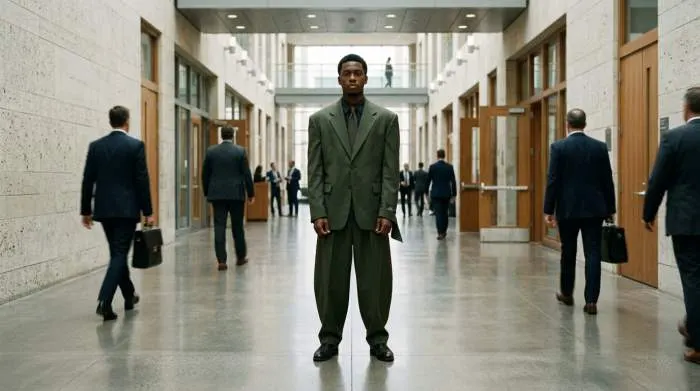
- The Mask (1994) turned the zoot suit into a cartoon of chaos, a direct nod to its chaotic history.
- Hip-hop fashion in the late 80s borrowed the oversized jacket, though few knew its true ancestry.
- Rockabilly festivals kept the pegged pants and chain alive as a uniform of joyful rebellion.
- Modern designers like Thom Browne and Dior Homme have reissued the broad-shouldered cut in recent collections.