The 80s Explosion: Spectacle, Synthesizers, and a New Visual Language
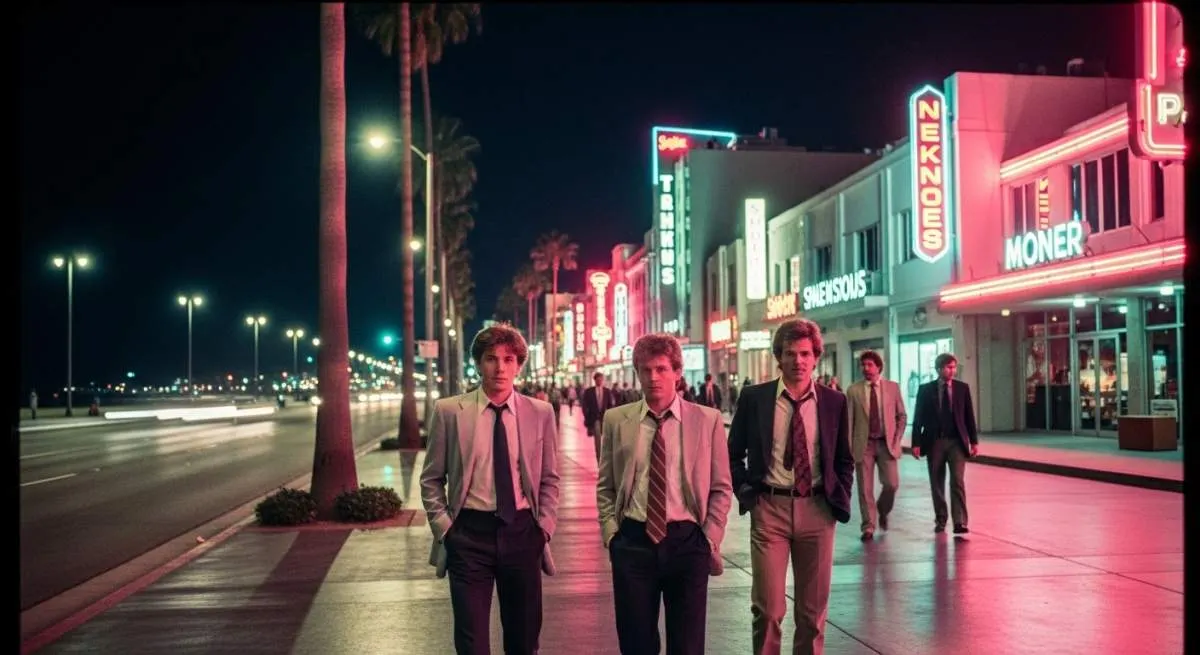
The 1970s ended with gritty realism, but the 1980s arrived like a supernova. It was a decade of unapologetic excess, bold ambition, and a vibrant, almost cartoonish optimism. After the social upheavals of the previous era, the '80s embraced a philosophy where bigger was better and louder was cooler, a cultural shift fueled by booming consumerism and underlying Cold War anxieties [1].
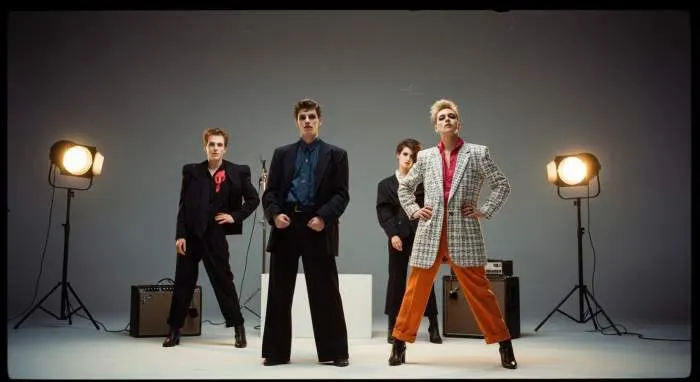
This spectacle was televised. The rise of MTV fundamentally changed how culture was consumed. Music was no longer just heard; it was seen, transforming artists into visual icons and making presentation as critical as the song itself. Every music video was a mini-movie, every outfit a deliberate statement. This shift laid the perfect groundwork for the decade's defining aesthetic [2].
The visual revolution was intertwined with a wave of technological optimism. Personal computers entered homes, video games became a mainstream obsession, and digital sounds began to dominate the airwaves. Synthesizers, once niche tools, became accessible and ubiquitous [3].
Their shimmering arpeggios and punchy basslines didn't just define the pop charts; they created a new emotional feel. The future seemed to be arriving with a sleek, chrome-plated hum. This optimism was reflected visually in neon lights, geometric patterns, and soft pastel color palettes, a look that would later become the blueprint for retro-futurism.
Miami Vice: The Aesthetic Blueprint
In 1984, a television show didn't just capture this zeitgeist, it defined it. Miami Vice, executive produced by the detail-obsessed Michael Mann, was a cultural phenomenon. It wasn't a traditional cop show but a weekly masterclass in style, sound, and atmospheric storytelling. The show presented a heightened reality where glamour and vice danced in the humid Miami air, set against endless sunsets and art deco architecture.
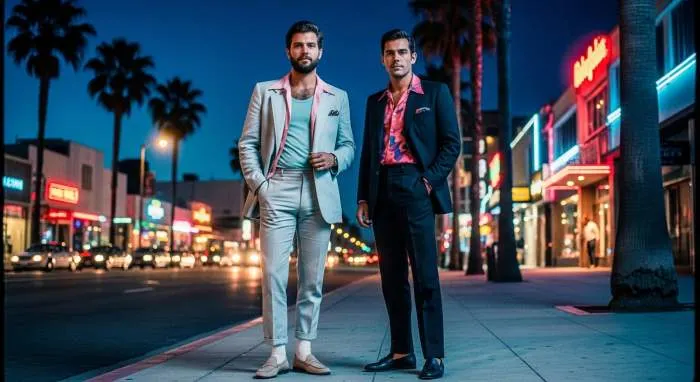
It was a sensory overload in the best way, a perfect storm of elements that left an indelible mark. The city itself, with its neon-soaked streets and palm-lined boulevards, became a futuristic playground. Each meticulously composed shot felt more like a scene from a feature film than weekly television, building a world that was both alluring and dangerously cool.
The fashion was nothing short of revolutionary. Gone were the rumpled suits of classic detectives. Don Johnson's Sonny Crockett sported pastel linen blazers over T-shirts in shades of teal, pink, and blue, famously worn with no socks and loafers. His partner, Ricardo Tubbs, played by Philip Michael Thomas, brought a sharper, more sophisticated edge with dark suits and vibrant shirts.
This wasn't just clothing; it was a statement of effortless cool and a rejection of corporate stiffness. The show's costume designer, Bambi Breakstone, even collaborated with Gianni Versace, setting a new standard for television fashion. The prevalent padded shoulders in blazers gave wearers an imposing, confident silhouette, perfectly matching the era's ambition.
Then there was the music. Jan Hammer's iconic instrumental theme, with its pulsating synths, is instantly recognizable and encapsulates the show's essence. But Miami Vice was revolutionary in its integration of contemporary pop and rock into the narrative.
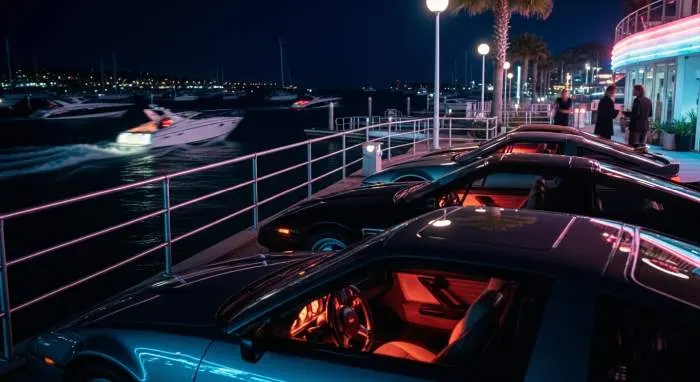
Each episode was a curated soundtrack, featuring hits from Phil Collins, Glenn Frey, and Tina Turner, often playing diegetically from car radios or club speakers. This innovative use of licensed music cemented the show's cool factor and its deep connection to the vibrant music of the era. It made the show feel incredibly current and culturally plugged-in.
Synthwave: The Digital Resurrection
Decades later, past the grunge of the '90s, a new movement began to stir. Synthwave emerged not just as a musical genre but as a full-blown aesthetic movement. It is a lovingly crafted homage to the sights and sounds of the 1980s, filtered through modern production and a deep sense of nostalgia.
A Fashionable Mix-Up
- A lot of folks think the iconic 'no socks with loafers' look was just Don Johnson's personal style quirk.
- Actually, the sockless look was a deliberate part of the show's meticulously coordinated color palette and 'unstructured' philosophy, as confirmed by the show's producers and costume designers.
Source: hollywoodreporter.com
Synthwave artists don't just sample old sounds; they meticulously reconstruct the entire sonic landscape. It feels like discovering a lost VHS tape from an alternate 1980s where the future arrived even faster, and it was glorious. This is the heart of its appeal: a direct channel to a specific feeling.
The musical blueprint of Synthwave is a direct love letter to the era's production. You hear propulsive drum machine beats drenched in heavy gated reverb, a signature sound of '80s pop. Layered synthesizers create shimmering atmospheric pads, while driving arpeggiated basslines propel the track forward.
Lead melodies often evoke the soaring themes of classic action films. The production frequently mimics the polished, compressed quality of tracks mastered for vinyl or cassette. This isn't mere mimicry; it's an understanding of the emotional resonance those sounds carried, evoking excitement, mystery, and a poignant yearning.
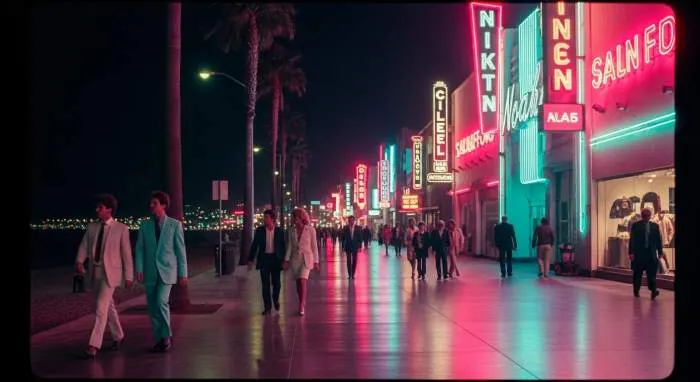
The visual component is equally crucial. The Synthwave aesthetic is built on neon grids stretching to infinity, chrome-plated sports cars on palm-lined highways, and pixelated cityscapes. This is where the connection to Miami Vice becomes undeniable.
The vibrant color palette, electric pinks, purples, teals, and blues, is lifted straight from the show's iconic visual language. The imagery of glowing city lights, sleek vehicles, and a certain melancholic coolness are all direct descendants of Crockett and Tubbs' world. Synthwave takes those aesthetic seeds and grows them into an entire digital ecosystem.
The core appeal lies in retro-futurism. Synthwave isn't just looking back; it's looking back at how the past imagined its own future. The 1980s, with its rapid tech advances, had a specific vision: sleek, chrome-heavy, technologically advanced, and slightly detached.
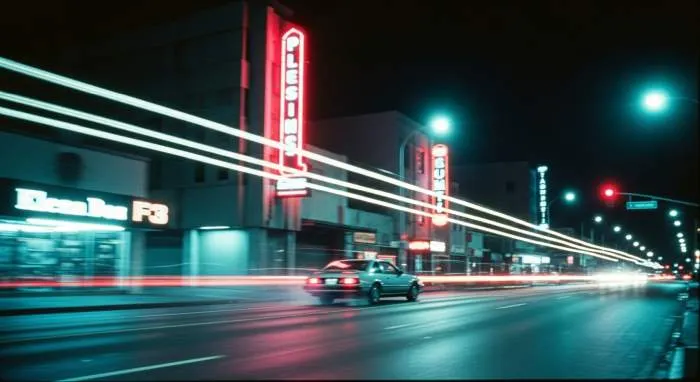
Synthwave taps into that imagined, optimistic-yet-eerie future and presents it as a fully realized world. It's a future that never quite arrived, making it wonderfully tangible in the Synthwave universe. This creates a paradoxical feeling that is both futuristic and nostalgic, often with a wistful twist.
From Blueprint to Legacy: A Lasting Connection
The influence of Miami Vice on Synthwave is structural. Many tracks feel like the soundtrack to an unmade '80s movie or a stylish chase scene from a forgotten arcade game. The sense of nocturnal adventure and cool detachment directly mirrors the show's mood.
You can almost see Crockett's Testarossa slicing through neon-lit streets as a Synthwave track pulses in the background. It's the perfect marriage of sound and vision, building entire worlds within its parameters just as Michael Mann did with his groundbreaking show.
Synthwave also taps into a collective yearning. For some, the '80s represents childhood wonder, Saturday morning cartoons, arcades, and the thrill of new tech. For others, it's a romanticized era of bold fashion and carefree attitude.
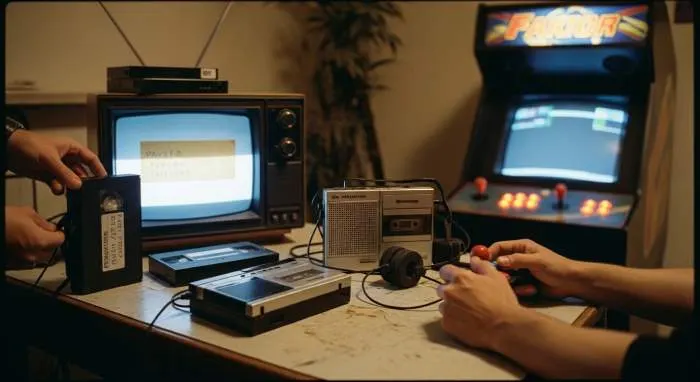
The genre provides a portal to that feeling, an escape to an idealized past where sunsets are always vibrant and the future is just around the corner. It's a fantasy and a celebration, offering a personal soundtrack much like the Walkman did decades ago.
Ultimately, Synthwave didn't just revive a style; it perfected and amplified it. It distilled Miami Vice's groundbreaking blend of fashion, music, and cinematic flair, then expanded it into a universe of neon grids and shimmering synths.
It's a testament to the enduring power of that decade's vision. Some styles, sounds, and dreams are simply too cool to fade away. So the next time you hear those pulsating arpeggios, remember the journey, from the pastel-suited streets of '80s Miami to the infinite digital highways of today. It's a trip that proves the glow of that era never really dimmed.
What is the difference between synthwave and retrowave
While synthwave and retrowave are often used interchangeably, retrowave is actually the broader umbrella term for any modern art that recreates 80s aesthetics-including music, film, and fashion. Synthwave is specifically the musical subgenre within retrowave, defined by its heavy use of analog synthesizers and drum machines. The distinction became clearer in the early 2010s when online communities began categorizing the growing wave of retro-inspired creators.