Before the Filters & Faux Pas: Meet the Original Sin of Style

Think you know bombshells? You probably don't. Or rather, you know the copies. Every 'it' girl with a manufactured pout and a dye job that costs more than your rent check? They're all tracing lines drawn decades before they were even a glimmer in their marketing team's eye. We're talking 1930s. A world still reeling, hungry for escape, desperate for something blindingly, unapologetically new. Something that screamed glamour, even as the global economy whispered despair.

Enter Jean Harlow. Not just a star; she was an event. A deliberate, defiant act of creation. Before Photoshop made perfect skin a given, before stylists meticulously curated every hair flip, Harlow was the living, breathing blueprint. Her platinum blonde wasn’t just a hair color; it was a manifesto. A defiant flashbulb against the gloom, a stark, almost artificial brilliance that grabbed you by the lapels and demanded your attention.

It was scandalous, audacious. Critics called it vulgar. Moralists clutched their pearls. But the public? They devoured it. This wasn't natural beauty; this was something far more potent. This was engineered allure. A siren call built from peroxide, silk, and a stare that promised everything and nothing all at once. She didn't just walk into a room; she detonated. And suddenly, every woman with a little cash and a lot of nerve wanted to be just as gloriously, shockingly blonde. It was a mass cultural infection, and frankly, we're all still recovering.

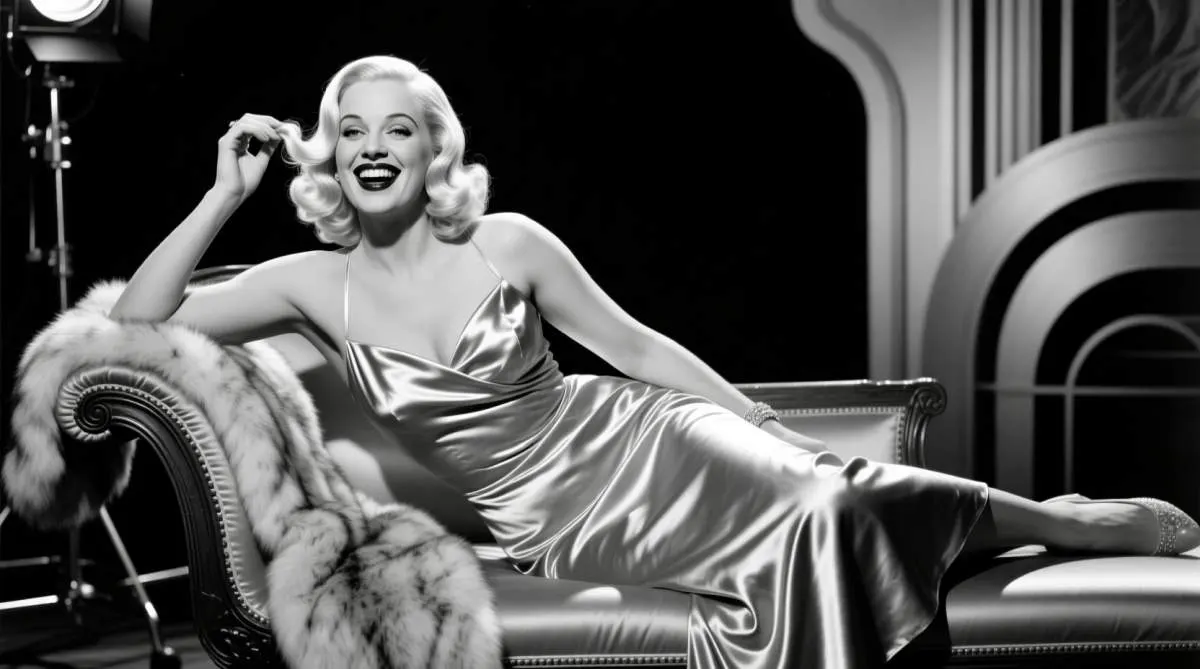
Forget the quiet elegance of the era's other darlings. Harlow wasn't playing demure. She was the antithesis of the understated, the queen of the overstated. Her dresses clung, her furs dripped, her jewels flashed. She taught Hollywood – and the world – that sometimes, more is just more. And sometimes, more is exactly what you need to cut through the noise. This wasn't merely a fashion statement; it was a seismic shift in how women could present themselves. It was permission to be bold, to be overtly sexual, to be an absolute force.

1930s Jean Harlow Bold Glamour Icon

So, when you see another pop star parading around with their meticulously crafted image, remember the original. The woman who didn't just push boundaries but evaporated them with a single, dazzling flash of her hair. She wasn't an accident. She was a meticulously crafted phenomenon, a platinum blonde meteor streaking across the cinematic sky, leaving a trail that still burns bright today. She didn't just create a look; she forged an archetype. The one that still sets the bar for what it means to be a true Hollywood Bombshell.

The Genesis of Glitz: When Platinum Struck Gold in Hollywood

Listen, before there was Monroe, before there was Bardot, there was Jean Harlow. And trust me, what she did for hair wasn't just a trend; it was an atomic blast in the world of Hollywood glamour. We’re talking about the genesis of the bombshell, the original sin of dazzling, over-the-top allure.

In 1931, while Boris Karloff was bringing Frankenstein's monster to terrifying life on screen, a different kind of creature was being unleashed in Hollywood. Jean Harlow, or Harlean Carpenter as she was born, wasn't just another pretty face. She was a declaration. Her hair, specifically, was an electric shock to the system. Before Harlow, blonde hair was often soft, natural-looking, perhaps a bit innocent. After Harlow, it became a statement: bold, artificial, overtly sexual, and undeniably powerful.

The Platinum Protocol: A Calculated Creation

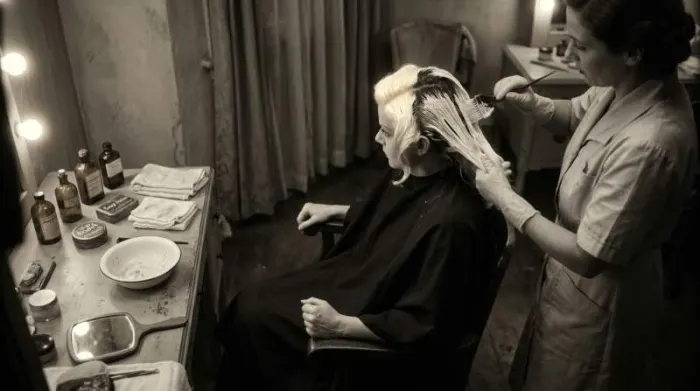
It wasn't an accident, darling. Very little in Tinseltown ever is. Howard Hughes, the eccentric mogul, saw something raw and defiant in the young actress. For his epic war film, Hell's Angels (1930), he took one look at her dark roots and reportedly declared, "She's got to be platinum." And just like that, a legend was dyed. This wasn't some subtle highlight job; this was a full-frontal assault on natural aesthetics. 

It was rumored she had her hair bleached weekly with a potent, almost industrial, concoction of peroxide, ammonia, and Lux soap flakes. Imagine the scalp! The industry was obsessed, the public captivated. This wasn't just changing a hair color; it was inventing a persona, a brand. The phrase "platinum blonde" was practically patented for her.

From Flapper Fading to Femme Fatale Forged

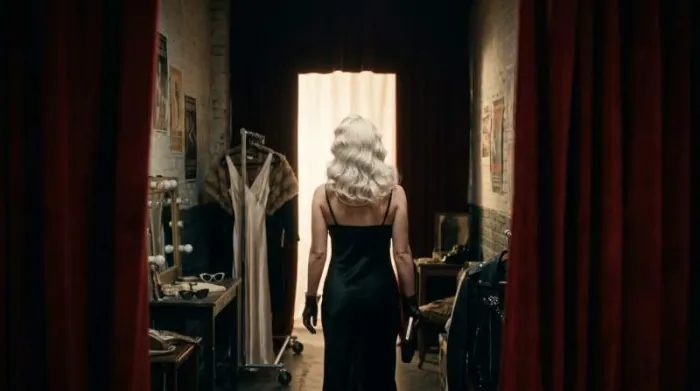
The 1920s had its flappers – rebellious, yes, but often with a playful, girlish charm. Think Clara Bow with her bob and cupid's bow lips. Harlow blew that out of the water. Her platinum hair, paired with a languid gaze and a body that refused to be demure, ushered in a new era. She was sultry without being sweet, glamorous without being untouchable. She wore slinky satin gowns designed by Adrian, clung to her curves, and often went braless, a scandalous move for the time. This was a woman who owned her sexuality, even as it was being meticulously crafted for public consumption. She didn't whisper; she purred, she growled.

Historical Insight: Pro Tip: For a deeper look at this period, don't miss our feature on THE REAL STORY OF FLAPPERS: BOB CUTS, JAZZ, AND FREEDOM!.

1930s Jean Harlow Platinum Sultry Glamour

Her impact was immediate and infectious. Women everywhere, armed with hydrogen peroxide and a prayer, tried to replicate the "Harlow look." Beauty parlors scrambled, chemists probably had a field day. It was a mass market phenomenon, proving that Hollywood beauty secrets weren't just for the elite; they were for anyone daring enough to risk a little scalp irritation for a touch of that star power. The bombshell wasn't just a look; it was an attitude, a freedom, a defiant wink to the restrictive morals of the impending Hays Code era. She was too dazzling to ignore, too brazen to dismiss. Jean Harlow didn't just become a star; she became an archetype. And it all started with a bottle, or several, of bleach.

The Platinum Shockwave: How Harlow's Hue Reshaped a Culture

Jean Harlow didn't just dye her hair; she detonated a cultural bomb. Her platinum blonde wasn't some gentle fade into the fashionable ether. It was a searing flash that redefined desirability, ripped through the film industry, and frankly, set the stage for every 'bombshell' that followed. We're talking about a seismic shift here, not just a new shade of bleach. Before Harlow, blonde was often ethereal, angelic. She took that notion, stomped on it with a marabou slipper, and made it electric, defiant, and frankly, a bit dangerous.

Her look shattered prevailing beauty standards. Suddenly, the demure brunette or the sweet, golden blonde wasn't the only game in town. Harlow's aggressively bright hair, often paired with bold lips and an attitude that screamed "I know what I want," presented a stark alternative. It was a deliberate, manufactured defiance, and women ate it up. They wanted that immediate, undeniable presence. Hollywood had accidentally – or perhaps quite deliberately – given the world a new template for audacious female allure.

Historical Insight: If you love this vibe, you'll also find THE BEE’S KNEES: HOW THE 1920S FLAPPER INVENTED MODERN COOL to be a fascinating read.

This wasn't just about hair color; it birthed the "bombshell" archetype. Harlow embodied a potent mix of overt sexuality, a knowing wink, and a surprising vulnerability that kept audiences hooked. She wasn't just pretty; she was powerful. This persona, amplified by her starkly artificial hair color, signaled a shift in how female stars could project themselves. They weren't just objects of desire; they were subjects of their own desire, or at least, they were damn good at faking it. It was a new kind of modern woman, one who didn't apologize for her allure.

The film industry, ever keen to commodify a trend, quickly capitalized. Studios scrambled to create their own platinum starlets, hoping to bottle a bit of Harlow's lightning. This wasn't just a passing fad; it became a distinct category of star, cementing the idea that a certain shocking aesthetic could translate directly into box office success. 

1930s Hollywood Platinum Starlet Studio System

It paved the way for future icons, setting a precedent for stars whose appeal was as much about their manufactured image as their acting chops. You could argue the entire concept of the 'movie star mystique' as we know it today truly solidified with figures like Harlow.

Beyond Hollywood's gates, Harlow's influence seeped into mainstream culture, fundamentally altering perceptions of women's appearance. Hairdressers saw a rush for peroxide and bleach, despite the damage it inflicted. Cosmetics companies responded with bolder lipsticks and face powders designed to complement such a stark aesthetic. The platinum look became synonymous with a certain kind of audacious independence and liberated femininity, even if it often came wrapped in a tightly controlled studio package. It offered women a visual vocabulary for breaking free, however superficially, from conventional expectations. It was a touchstone for nascent mid-century glamour, a signifier that modernity demanded a bolder, more audacious aesthetic. The legacy? Look at Marilyn, Madonna, or any contemporary figure who understands the power of a striking, deliberate image. They're all walking in Harlow's blindingly bright footsteps.

The Bombshell Reloaded: Making Platinum Glamour Your Own

Alright, let's talk brass tacks. You're enchanted by the ghost of Jean Harlow, all that liquid silk and ice-blonde audacity, but you don't want to show up looking like you raided a studio costume department. Good. Because nobody needs to cosplay a bygone era. We're about capturing the essence, not cloning a relic. The Harlow bombshell look isn't a museum piece; it's a spirit, a confidence, a certain "I know I look good and I don't need your approval" vibe. That's the part we keep.

Historical Insight: Similar trends are explored in our deep dive into THE REAL DISCO QUEENS: UNVEILING STUDIO 54'S ICONIC 1970S.

Modernizing this kind of iconic glamour means picking and choosing. It's about distillation. You take the potent elements – the high-impact hair, the defined features, the slinky silhouette – and you filter them through a contemporary lens. Think less literal interpretation, more intelligent homage. We're not aiming for a character study, we're aiming for you, amplified. It's about owning the room, just like she did, but on your terms. This isn't about becoming Harlow; it's about channeling that magnetic force into your own twenty-first-century swagger.

So, how do you pull off that kind of wattage without tipping into caricature? Focus on the key components, but soften the edges, update the textures, and personalize the palette. It’s about creating a modern statement that whispers "glamour" rather than screaming "vintage."

Decoding the Modern Bombshell

  • Hair: The Muted Platinum Power: Forget the harsh, almost industrial blonde of the 30s. Today, platinum is softer, often multi-dimensional with subtle roots or warmer undertones. The waves? They're looser, less lacquered, more like you just ran your fingers through them after a blow-dry. Think a modern interpretation of a classic Hollywood wave, not a rigid helmet. If true platinum feels too much, lean into a buttery blonde or a sophisticated champagne. The goal is luminous, not blinding.
  • Makeup: Defined, Not Drawn: Harlow's makeup was about stark contrast: bold brows, pale skin, a strong lip. For today, keep the brows strong but natural-looking, filled in rather than heavily drawn. Skin should be radiant, dewy, not matte or powdered into oblivion. A classic red lip is always on point, but opt for modern formulas – a satin, a creamy matte, or even a sheer stain for a more subtle pop. A flick of liquid liner and generous mascara will define the eyes without needing heavy shadow. The idea is polished, impactful, but never heavy.
  • Fashion: The Allure of the Drape: This is where the true magic happens. Harlow practically invented the bias-cut gown, those liquid-like creations that clung and flowed with every movement. Today, look for pieces with incredible drape and movement: silk slip dresses, satin skirts, softly tailored trousers that skim the body. The key is fabrics that feel luxurious against the skin and follow your curves without clinging aggressively. A perfectly cut blazer over a silk camisole or a fluid midi dress can channel that same understated allure. It's about confidence in simplicity and the power of a really good cut.
  • The Indefinable X-Factor: Attitude: This is the non-negotiable. Harlow had an innate, almost brazen self-possession. She didn't ask for permission to be fabulous. That's what you need to capture. Stand tall, make eye contact, let your personality shine. The clothes, hair, and makeup are just tools; the real bombshell is the woman wearing them. It’s a certain knowing glance, a laugh that fills the room, the way you carry yourself. This isn't about being overtly sexy; it's about being undeniably captivating.

Ultimately, bringing that bombshell energy into today isn't about literal replication; it's about embodying the spirit of unapologetic glamour. It's selecting those potent elements – the luminous hair, the defined features, the incredible drape of a well-chosen garment – and filtering them through your own personal style. You're not trying to be her; you're using her as a springboard to discover your most dazzling, confident self. Because true glamour, then and now, has always been about an inner light shining outwards, and that, my dears, is something no trend can ever extinguish.

The Platinum Afterglow

Harlow didn't just dye her hair; she detonated a cultural bomb. Suddenly, platinum wasn't just for fancy jewelry; it was for women who knew they were the main event. The shockwaves were immediate, and honestly, they've never really stopped.

Every blonde bombshell who followed? They all owe Jean a nod, or at least a stiff drink. Think about it: Marilyn Monroe's breathy allure, Brigitte Bardot's wild sensuality, even Madonna's unapologetic reinventions or Lady Gaga's theatricality – they're all playing on that same dangerous, dazzling frequency Harlow first dialed up. She wasn't just a star; she was the blueprint for a certain kind of unapologetic female power.

It was never just about hair color, was it? It was an attitude, a defiant sparkle in the eye that screamed, "Look at me. I dare you not to." She tore down the demure, sweet-girl facade and replaced it with something far more potent: overt sexuality wrapped in shimmering, untouchable glamour. A woman could be both stunningly beautiful and utterly in control. That was revolutionary.

This isn't just ancient history for film buffs. Harlow’s shadow looms large over every red carpet, every fashion editorial where a woman is styled to be unforgettable. The "bombshell" archetype, with its blend of allure and audacious confidence, is her enduring gift to us. It's been copied, reinterpreted, occasionally watered down, but the original formula was pure dynamite. Her influence isn't just a whisper; it’s a permanent, shimmering streak across the beauty landscape. She taught us that glamour can be utterly defiant. And honestly, we're still scrambling to catch up.