
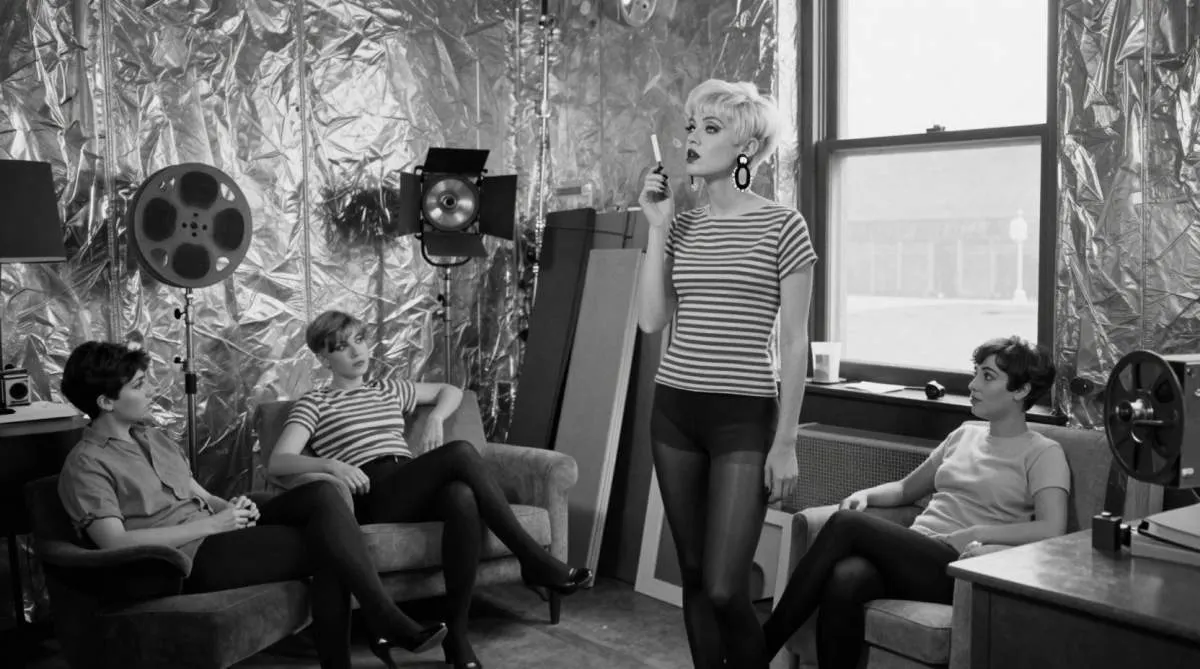
Edie Sedgwick: Icon, Muse, and the Darker Side of Warhol's Factory
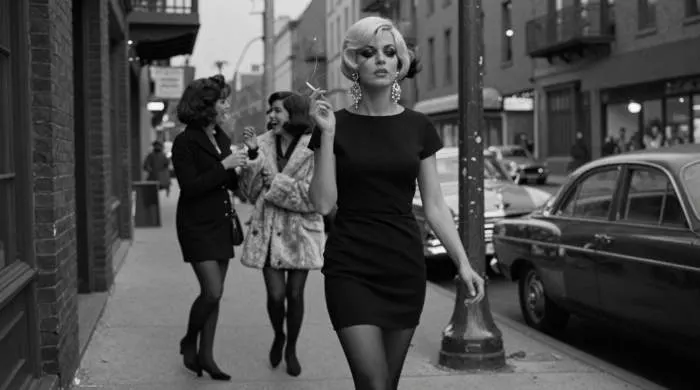
Who Was Edie Sedgwick, and Why Does She Still Matter?
Edie Sedgwick. Say the name, and you picture something specific: a fast-burning life, a comet streaking through the '60s art scene, then gone. Her story isn't just a footnote, it's a persistent, unsettling echo in pop culture that refuses to fade away [1].
By the time she arrived in New York City in the early 1960s, Edie was ready to reinvent herself. She quickly became a fixture at the Factory, Andy Warhol's legendary studio, where her magnetic presence and unique style made her an instant star. Her life turned into a cautionary tale about fame's brutal edge, making her the quintessential tragic muse. Edie's spirit, that mix of vulnerability and audacious chic, still resonates decades later [2].
What Drew Warhol to Edie Sedgwick?
Andy Warhol was always on the lookout for new faces and fresh energy, and Edie had both in spades. He was captivated by her aristocratic background, striking looks, and effortless cool, seeing her as the perfect embodiment of his pop art philosophy: a beautiful, blank canvas for projecting his ideas about fame, celebrity, and consumer culture [3].
Warhol cast her in several of his films, including "Poor Little Rich Girl" and "Chelsea Girls," where she often played versions of herself. These observational portraits captured Edie's charisma and her unraveling in real time. The Factory became her world, and she became its brightest star, but the spotlight came at a devastating cost.
What Was Life Like Inside the Factory?
The Factory was a chaotic, creative hive of artists, musicians, drag queens, and hangers-on. Edie thrived in this environment, relishing the attention and the freedom to express herself without the constraints of her blue-blooded upbringing. She would spend hours there, filming, partying, and soaking up the adoration of Warhol's inner circle.
But the Factory was also a place of excess, where drugs like amphetamines and barbiturates flowed freely. Edie's drug use escalated quickly, and Warhol, instead of stepping in, often filmed her at her most vulnerable. This dynamic has sparked endless debate about whether Warhol exploited her, he seemed more interested in documenting her decline than in helping her. The Factory was both her stage and her cage, and she was trapped in a role she couldn't escape.
What Made Edie Sedgwick's Style So Iconic?
You want to know how to get the Edie Sedgwick Factory Girl look? It's less about specific clothes and more about an attitude, a defiant yet vulnerable cool that feels both effortless and intentional. The look was built on a few key elements: short, cropped hair often dyed silver or blonde, heavy eye makeup with dramatic lashes, and a wardrobe that mixed high fashion with thrift store finds. She popularized the leotard as a top, often pairing it with tights, mini skirts, and oversized earrings.
Edie's style was a rebellion against the polished, feminine looks of the early 1960s. She embraced an androgynous chic that felt modern and daring, accessorizing with chunky jewelry and ballet flats. Her look was copied by women around the world, and it remains a touchstone for fashion designers and vintage enthusiasts today. The key wasn't just the clothes but the way she wore them, with a sense of playfulness and a hint of melancholy that made her unforgettable.
The Original Rebel
- Everyone thinks Edie Sedgwick was just copying the mod fashion trends of the 1960s, a follower of the latest styles.
- Actually, Edie famously rejected mainstream mod fashion, stating she invented her own style and preferred costumes over cheap clothes, as she told Women's Wear Daily in 1965.
Source: en.wikipedia.org
Where Did Edie's Fashion Sense Come From?
Edie's fashion sense was a blend of her aristocratic upbringing and her immersion in the downtown New York art scene. She had access to designer clothes from her family's wealth, but she preferred to mix them with inexpensive, everyday pieces she found in secondhand shops. This high-low mix created a look entirely her own, reflecting the democratic spirit of the 1960s counterculture.
Mood Match
What to Play When the Night Starts Rolling
Pick your moment below and let the song do the rest.
Getting ready for a party at the Factory
Femme fatale by The Velvet Underground
There is something cool and unhurried about it, exactly right for the long slow business of becoming interesting before you leave the flat.
Dancing in a black mini dress and tights
I Got You Babe by Sonny & Cher
It is pure joy with a hint of the ridiculous, and it moves at the speed your heels can just about manage.
Feeling like the queen of the downtown scene
Like a Rolling Stone by Bob Dylan
Six minutes of warning dressed as a compliment, which is precisely what that particular mood deserves.
Lying awake after a long night out
Satisfaction by The Rolling Stones
That riff keeps circling in your head whether you want it to or not, much like the evening itself.
Play them in order, and don't skip the last one. That's the whole point.
Songs checked against en.wikipedia.org.
She was also influenced by the artists around her, particularly Warhol, who encouraged her to experiment with her appearance. Her silver hair, for instance, was a direct nod to Warhol's own silver wig and the Factory's metallic aesthetic. Edie's style was a living art project, constantly evolving and always photogenic, and it cemented her status as a fashion icon of the decade.
The Debate Over Their Relationship
Did Andy Warhol exploit Edie Sedgwick? That's a debate that'll probably never fully resolve, but it's clear their dynamic was a potent, and ultimately destructive, cocktail for her. Warhol gave her fame and a stage, but he also filmed her unraveling, often without intervention. Their relationship was a symbiotic dance of art and destruction, leaving us to wonder if she was a collaborator or a casualty of pop art's dark side.
Some argue Edie was a willing participant in her own mythmaking, fully understanding the game. Others see her as a victim of Warhol's cold, observational approach, a muse used up and discarded when no longer useful. The truth likely lies somewhere in between, but the outcome was the same: Edie's life spiraled out of control, and Warhol eventually distanced himself from her.
What Happened After Edie Left the Factory?
After her split from Warhol in 1966, Edie struggled to find her footing. She attempted to launch a career as a mainstream actress and model, but her drug addiction and erratic behavior made it difficult. She moved to California, entered a turbulent marriage, and continued battling her demons. Her health deteriorated rapidly, and she was hospitalized multiple times for drug-related issues.
On November 16, 1971, Edie Sedgwick died of a barbiturate overdose at the age of 28. Her death was ruled accidental, but it marked the tragic end of a life that had burned so brightly. She was buried in her family's plot in California, and her legacy as a cautionary tale about the dangers of fame and excess was sealed.
How Has Pop Culture Remembered Edie?
Edie Sedgwick's story has been told and retold in books, documentaries, and films, most notably the 2006 movie "Factory Girl" starring Sienna Miller. That film introduced her story to a new generation, sparking renewed interest in her life and style. She has also been referenced in songs by artists like Bob Dylan, who is rumored to have had a brief relationship with her, and in fashion collections that channel her 1960s aesthetic.
Her image remains instantly recognizable: the short silver hair, the dramatic eyes, the leotard and tights. She has become a symbol of the 1960s counterculture, a time of both liberation and destruction. Her story resonates because it feels both specific and universal: the rise and fall of a young woman who wanted to be seen, and who paid the ultimate price for that visibility.
What Can We Learn from Edie Sedgwick's Life?
Edie Sedgwick's life is a reminder that fame and glamour often come with a hidden cost. She was a product of her time, but her struggles with addiction, mental health, and exploitation are timeless. Her story encourages us to look beyond the surface of celebrity and to consider the human beings behind the images. She wasn't just a muse or a style icon, she was a person who deserved better than the fate she was dealt.
Today, Edie is remembered as a tragic figure, but also as a pioneer of a certain kind of cool. She embodied an era's promise and its perils, a vibrant star whose light burned out far too soon, leaving behind a legacy equal parts fascination and heartbreak. She's forever frozen in time, the ultimate "It" girl who paid the ultimate price, and her ghost still haunts the Factory, reminding us of the dark side of the 1960s dream.
What was Edie Sedgwick's relationship with Bob Dylan?
Rumors have long swirled that Edie Sedgwick had a brief, intense romance with Bob Dylan in 1965, though Dylan himself never confirmed it. Some say she inspired songs like "Just Like a Woman" and "Leopard-Skin Pill-Box Hat," adding a layer of mystery to her already mythic story. This connection, real or imagined, only deepened her status as a muse of the era.