
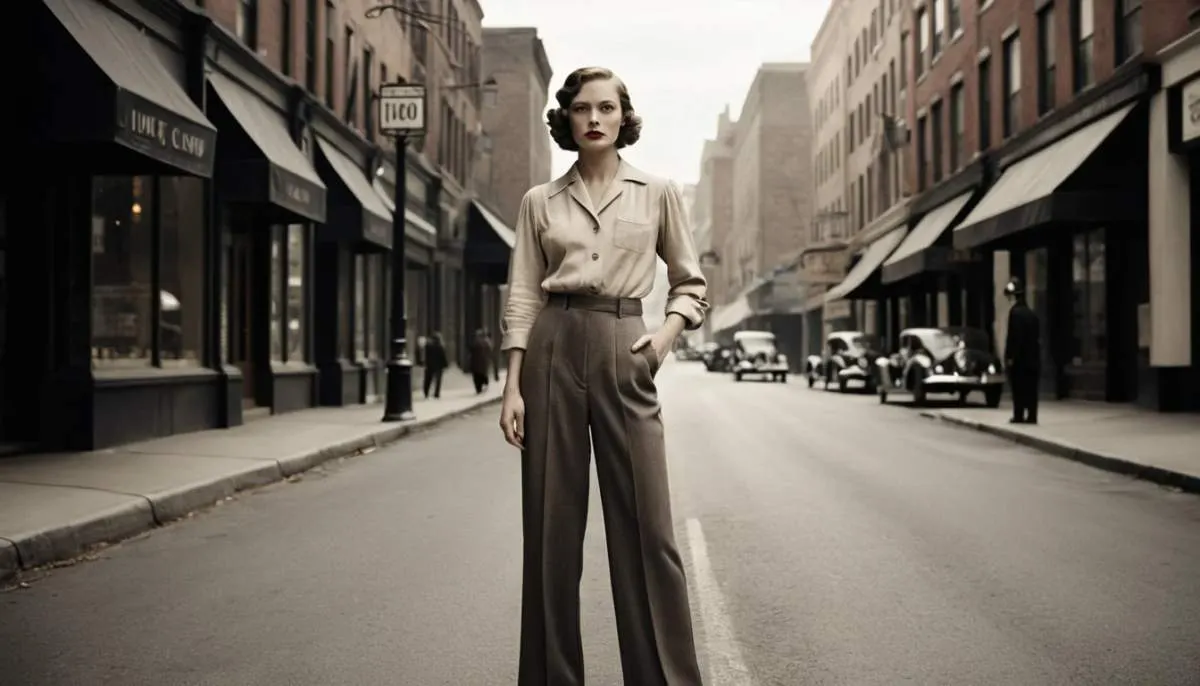
The Nerve to Wear Trousers: A Crime?
For years, the fight played out in courtrooms and on city streets. Women who dared to wear trousers faced arrest, fines, and even jail time. It wasn't just about fashion, it was a direct challenge to deeply rooted ideas about how women should dress and behave [1].
But slowly, and often reluctantly, trousers started to lose their scandalous reputation. First, they became acceptable for women working in factories during the war, then for casual wear, and then, little by little, for almost everything. This shift, from forbidden to everyday, marked a huge change in how society thought about gender and clothing [2].
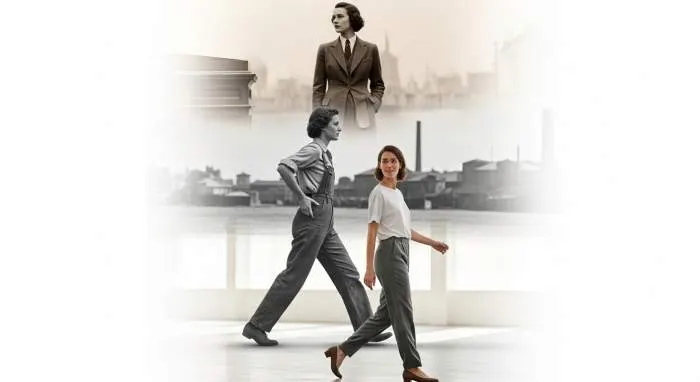
It took incredible courage for women like Helen Hulick to stand their ground in a courtroom, refusing to change their clothes just to follow the rules. Hulick was a schoolteacher in Los Angeles who made headlines in 1938 when a judge ordered her to appear in court wearing a dress. She refused and was held in contempt, spending five days in jail for the 'crime' of wearing slacks [3].
Today, young women walk by in everything from tailored suits to ripped jeans without a second thought. But the echo of those past struggles reminds us of their courage. It wasn't just about pants, it was about autonomy, about defying absurd expectations that tried to define a woman's place by her hemline. Society wanted to control, and clothing was an easy target.
These forgotten trailblazers weren't just fighting for fashion freedom, they were pushing for a broader recognition of equality. It's a quiet victory that reshaped the wardrobe of half the world, one brave woman at a time. Pants became a practical staple, a symbol of liberation, and eventually, just clothes.
Over time, this garment changed the landscape of women's public and private lives in deep ways. We live in the comfort of their rebellion. The question isn't whether we've won that fight, but what forgotten battles still shape our daily freedoms.
What small acts of defiance from the past allow us our present ease? The story of women arrested for wearing pants reminds us that freedom is often won in small, stubborn steps. Each pair of trousers worn in public was a quiet act of revolution.
How Did Local Laws Make Trousers a Crime in the 1930s?
In the 1930s, many towns and cities had laws that made it illegal for women to wear clothing considered 'masculine.' These ordinances often used vague language about 'masquerading' or appearing in 'disguise.' The idea was that a woman in pants was pretending to be a man, which was seen as a direct threat to social order. These laws weren't enforced all the time, but they gave police and judges a powerful tool to punish women who stepped out of line. A woman could be arrested just for walking down the street in slacks, especially in public places like courthouses or government buildings. The charge was often disturbing the peace or violating public decency.
Behind the Scene · Fictional Simulation
Slacks in the Courtroom
Ruth Delaney, a courtroom stenographer in Los Angeles, 1938.
I kept my hands on the keys, but my eyes slid to the gallery. The teacher stood straight as a rule, in slacks that made the bailiff look twice. The judge's gavel rested on its block, and the room hummed like a hive about to swarm. My stenotype clicked and clicked, the only steady sound in the place.
Then the clerk handed the judge a note. Paper whispered. The judge read it, his jaw tightening, and the room went so quiet I could hear the bailiff breathe. I typed the silence, every pause a word. When the judge finally spoke, the teacher's shoulders didn't move. The sun through the high windows caught the dust, and my fingers never stopped.
A fictional scene written for this article — not a real account.
Which Women Were Most at Risk of Arrest for Wearing Pants?
Working-class women and those in public-facing jobs were most vulnerable. Factory workers, waitresses, and women in manual labor often wore pants for practicality, but they risked harassment and arrest every day. Wealthier women who wore trousers for leisure or travel were less likely to be targeted, showing how class and privilege shaped the enforcement of these laws.
Actresses and performers could wear pants on stage or in films, but the same outfit on a regular woman was considered scandalous. This double standard highlighted the hypocrisy of the era: pants were acceptable for entertainment but not for everyday life.
The Story of Helen Hulick's Courtroom Defiance
Helen Hulick's case became a national sensation in 1938. She was a kindergarten teacher who wore slacks to court as a witness in a burglary trial. The judge ordered her to come back in a dress, but she refused, arguing that pants were practical and comfortable. She was held in contempt of court and sentenced to five days in jail.
Her defiance sparked widespread debate in newspapers across the country. Many people supported her right to choose her own clothing, while others saw her as a troublemaker. Her case became a rallying point for women's rights advocates who argued that clothing choices were a matter of personal freedom.
Not Just Slacks
- People often think Helen Hulick was the first or only woman to face legal trouble for wearing pants in the 1930s.
- Actually, women had been getting arrested for wearing trousers for decades before Hulick's famous case, with laws dating back to the 1800s targeting women in 'masculine' clothing.
Source: en.wikipedia.org
What About Other Women Who Were Arrested for Wearing Pants?
Yes, there were many similar incidents throughout the 1930s and 1940s. In 1932, actress Marlene Dietrich was famously fined for wearing pants in Paris, though because she was a celebrity, the fine felt more like a publicity stunt. In the United States, women in rural areas and factory towns were regularly arrested for wearing overalls or work pants, though these cases rarely made national news.
One lesser-known case involved a group of women in Detroit who were arrested in 1939 for wearing slacks to a public park. They were charged with disorderly conduct, but the charges were eventually dropped after public outcry. These small victories added up over time, slowly shifting public opinion.
The Role of Factory Work in Normalizing Women's Pants
World War II was a turning point for women's pants. As millions of men went off to fight, women took over factory jobs that required practical clothing. Rosie the Riveter became a cultural icon, and her rolled-up sleeves and work pants were a symbol of female strength and patriotism. The government even encouraged women to wear pants for safety in industrial settings.
Suddenly, pants weren't just acceptable, they were necessary for the war effort. Women who had never worn trousers before found themselves in overalls and coveralls, working alongside other women. This practical shift made pants a normal part of many women's wardrobes, at least for work.
Did Women Keep Wearing Pants After the War?
After the war ended, there was a push to return to traditional gender roles, and many women were expected to go back to dresses and skirts. But the genie was out of the bottle. Women had experienced the comfort and freedom of pants, and they weren't willing to give it up entirely.
By the 1950s, pants were becoming more common for casual wear, especially among younger women. Capri pants and pedal pushers became fashionable, and even Hollywood stars were photographed in trousers off-screen. The battle wasn't over, but the ground had shifted significantly.
What Was the Fight for Pants Really About?
The fight for the right to wear pants was never just about clothing. It was about women's autonomy, their right to move freely through the world, and their refusal to be defined by outdated gender norms. Every woman who put on a pair of slacks in the 1930s was making a statement about equality and self-determination.
This forgotten rebellion paved the way for later movements, from the women's liberation movement of the 1960s and 70s to today's conversations about gender expression and identity. The simple act of wearing pants became a powerful symbol of resistance.
Remembering the Women Who Dared to Wear Pants
We should remember women like Helen Hulick not as troublemakers but as pioneers. They risked arrest, public shame, and even jail time for the simple right to choose their own clothes. Their courage made it possible for future generations to wear whatever they want without fear.
Today, when a woman puts on a pair of jeans or a tailored suit, she is standing on the shoulders of these forgotten rebels. The next time you pull on a comfortable pair of trousers, take a moment to appreciate the quiet revolution that made it possible. It's a victory that we wear every single day.
Why were women arrested for wearing pants in the 1930s
The roots of this ban go back to sumptuary laws from medieval Europe, which dictated what each class could wear. In the 19th century, American reformers like Amelia Bloomer championed pants for women, but they were met with ridicule and even violence. By the 1930s, these old prejudices had hardened into local ordinances that treated trousers as a form of cross-dressing, a crime in many states.
Sources
- [1] Did a Woman Go To Jail for Wearing Slacks in 1938? | Snopes.com
- [2] Should women be allowed to wear pants? It was a topic of contention in Australian parliament in 1933
- [3] If you can wear slacks to court, thank a kindergarten teacher
Bracketed numbers in the text (e.g. [1]) refer to the sources listed here.